


Determining the right non - rising valve for a specific application is a crucial decision that can significantly impact the efficiency, safety, and longevity of your system. As a non - rising valve supplier, I understand the complexity of this choice and am here to guide you through the process.

Understanding Non - Rising Valves
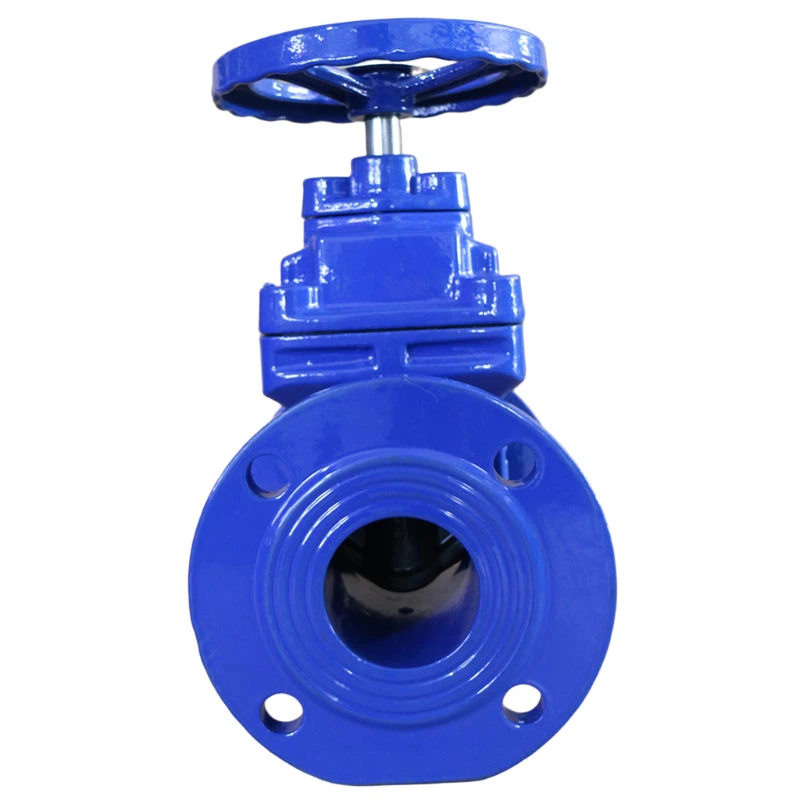
Non - rising valves, also known as non - rising stem valves, are a type of valve where the stem does not rise when the valve is opened or closed. Instead, the stem rotates within the valve, and the gate moves up and down inside the valve body. This design is particularly useful in applications where space is limited, as it does not require additional vertical clearance for the stem to extend.
There are different types of non - rising valves, with gate valves being one of the most common. A Gate Valve Non Rising is a linear motion valve that uses a gate (a flat or wedge - shaped disc) to block or allow the flow of fluid. When the valve is fully open, the gate is completely out of the flow path, offering minimal resistance to the fluid. When closed, the gate forms a tight seal against the valve seats, preventing any leakage.
Factors to Consider When Selecting a Non - Rising Valve
1. Fluid Characteristics
The first and most important factor to consider is the nature of the fluid that will be flowing through the valve. This includes the fluid's viscosity, temperature, pressure, and chemical composition.
- Viscosity: For highly viscous fluids, such as oils or syrups, a valve with a full - port design may be necessary to minimize pressure drop. A full - port non - rising gate valve provides an unobstructed flow path, allowing the viscous fluid to pass through with ease.
- Temperature: High - temperature fluids can cause expansion and contraction of the valve components, which may affect the valve's performance and sealing ability. In such cases, valves made from materials with high - temperature resistance, such as stainless steel or alloy steel, should be selected.
- Pressure: The operating pressure of the system is a critical factor. The valve must be able to withstand the pressure without leaking or failing. High - pressure applications may require valves with thicker walls and stronger sealing mechanisms.
- Chemical Composition: If the fluid is corrosive or abrasive, the valve material must be resistant to these effects. For example, in applications involving acidic or alkaline fluids, valves made from corrosion - resistant materials like PVC, CPVC, or lined valves with a corrosion - resistant coating can be used.
2. Flow Requirements
The flow rate and flow direction of the fluid also play a significant role in valve selection.
- Flow Rate: The valve's size and capacity must be sufficient to handle the required flow rate. A valve that is too small will cause excessive pressure drop, while a valve that is too large may be inefficient and costly. The flow coefficient (Cv) of the valve is a measure of its capacity to pass fluid. It is important to select a valve with an appropriate Cv value based on the system's flow requirements.
- Flow Direction: Some non - rising valves are designed for unidirectional flow only, while others can handle bidirectional flow. Make sure to choose a valve that is compatible with the flow direction in your system.
3. Operating Conditions
The environment in which the valve will operate is another important consideration.
- Installation Space: As mentioned earlier, non - rising valves are ideal for applications where vertical space is limited. However, you also need to consider the available horizontal space for valve installation, maintenance, and operation.
- Accessibility: The valve should be easily accessible for inspection, maintenance, and repair. Ensure that there is enough clearance around the valve for tools and personnel to work safely.
- Actuation Method: Non - rising valves can be actuated manually, electrically, pneumatically, or hydraulically. The choice of actuation method depends on the application requirements, such as the frequency of operation, the need for remote control, and the availability of power sources.
4. Industry Standards and Regulations
Different industries have specific standards and regulations regarding valve selection and installation. For example, in the oil and gas industry, valves must comply with API (American Petroleum Institute) standards, while in the food and beverage industry, valves must meet FDA (Food and Drug Administration) requirements. It is essential to ensure that the selected valve meets all the relevant standards and regulations for your industry.
Case Studies: Real - World Applications
Let's look at some real - world examples to illustrate how the above factors are applied in valve selection.
Case 1: Oil Refinery
In an oil refinery, the fluid is a mixture of hydrocarbons with varying viscosities and high temperatures. The operating pressure is also relatively high. For the transfer of crude oil between storage tanks and processing units, a Non Rising Valve made from alloy steel is a suitable choice. Alloy steel can withstand the high - temperature and high - pressure conditions, and its corrosion - resistant properties protect the valve from the corrosive components in the crude oil. A full - port design is preferred to minimize pressure drop and ensure smooth flow of the viscous oil.
Case 2: Water Treatment Plant
In a water treatment plant, the fluid is mainly water, which is relatively low in viscosity and non - corrosive. However, the system may operate at different pressures depending on the treatment process. For the control of water flow in the filtration and disinfection stages, a non - rising gate valve made from ductile iron can be used. Ductile iron is a cost - effective material that provides good strength and durability. Manual actuation is often sufficient for these applications, as the valves do not need to be operated frequently.
Our Expertise as a Non - Rising Valve Supplier
As a non - rising valve supplier, we have extensive experience in providing high - quality valves for a wide range of applications. Our team of experts can assist you in selecting the right valve based on your specific requirements. We offer a comprehensive range of non - rising valves, including gate valves, globe valves, and check valves, in various sizes, materials, and configurations.
We understand that every application is unique, and we are committed to providing customized solutions to meet your needs. Whether you are in the chemical industry, power generation, or water management, we can help you find the perfect non - rising valve for your system.
Conclusion
Selecting the right non - rising valve for a specific application requires careful consideration of various factors, including fluid characteristics, flow requirements, operating conditions, and industry standards. By taking these factors into account and working with a reliable valve supplier, you can ensure that your system operates efficiently, safely, and cost - effectively.
If you are in the process of selecting a non - rising valve for your application, we invite you to contact us for a consultation. Our experts will be happy to discuss your requirements and provide you with the best valve solutions. Let's work together to find the right non - rising valve for your specific needs.
References
- API Standards for Valve Design and Performance.
- ASME Boiler and Pressure Vessel Code for Valve Safety Requirements.
- ASTM Material Standards for Valve Components.


