


As a wafer butterfly valve supplier, I've had my fair share of customers asking about how to ensure the tight shut-off of these valves. It's a crucial aspect, especially when you're dealing with applications where leakage can lead to significant issues, like in chemical processing or water treatment plants. So, let's dive into some key factors and steps to make sure your wafer butterfly valve closes up tight.
Valve Selection
First things first, picking the right valve is super important. You can't expect a valve to shut off tightly if it's not suited for your specific application. There are different types of wafer butterfly valves out there, and each has its own pros and cons.
For instance, the Full EPDM Gear Wafer Valve is great for applications where you need good chemical resistance. EPDM (Ethylene Propylene Diene Monomer) is a synthetic rubber that can withstand a wide range of chemicals, making it a popular choice in the chemical industry. The gear operation also gives you more control over the valve's opening and closing, which can contribute to a tighter shut-off.
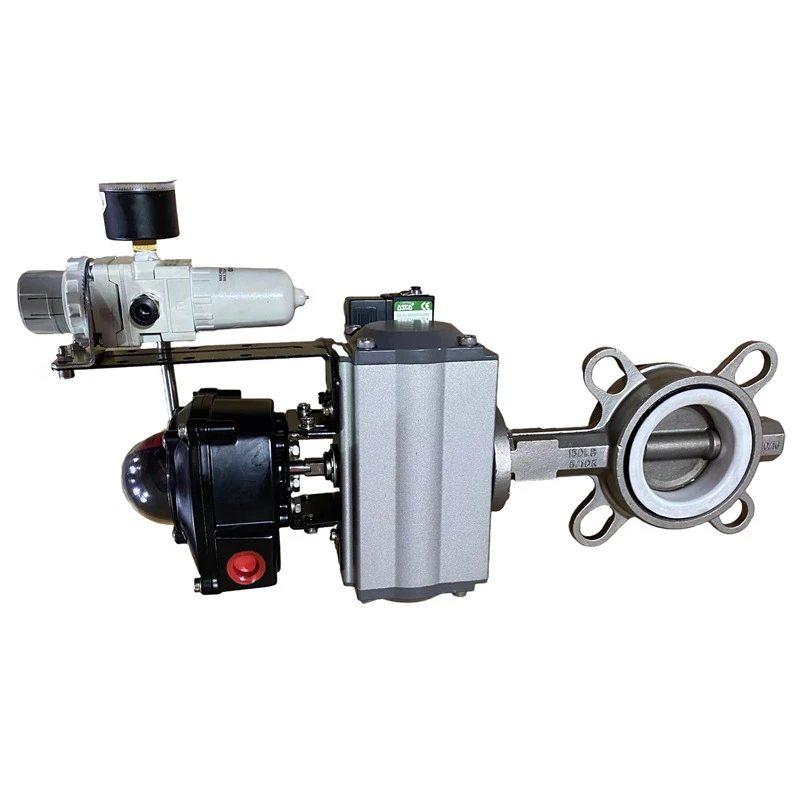
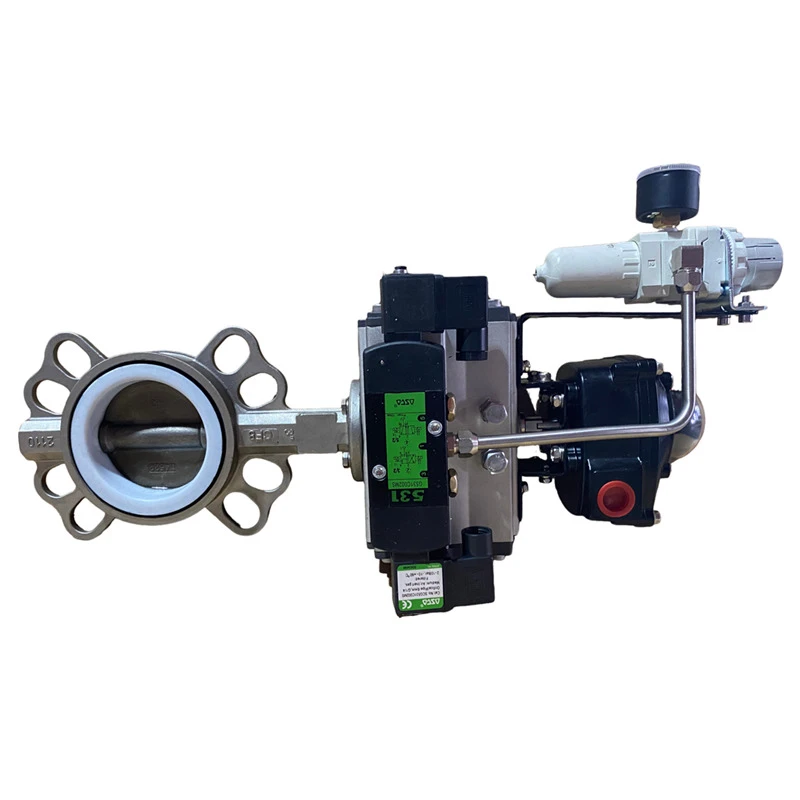
If you're looking for a valve that can be easily installed between flanges and has a bit more flexibility in terms of mounting, the Lug Type Wafer Butterfly Valve might be your go-to. The lugs on this valve allow you to bolt it directly to the pipeline, providing a secure connection. This type of valve is often used in systems where there might be some vibration or movement, and a tight seal is still required.
Another option is the SS PTFE Wafer Valve FRL. Stainless steel (SS) construction gives it excellent durability and corrosion resistance, while PTFE (Polytetrafluoroethylene) lining provides a smooth surface that helps in achieving a tight seal. This valve is commonly used in high-purity applications, such as in the pharmaceutical or food and beverage industries.
Installation
Once you've selected the right valve, proper installation is key. A poorly installed valve can lead to all sorts of problems, including leakage. Here are some installation tips to ensure a tight shut-off:
- Flange Alignment: Make sure the flanges on the pipeline are properly aligned before installing the valve. Misaligned flanges can put stress on the valve disc and seat, preventing a proper seal. Use a flange alignment tool if necessary to ensure everything is in place.
- Gasket Selection: Choose the right gasket for your application. The gasket is what seals the valve between the flanges, so it needs to be compatible with the media flowing through the pipeline and the operating conditions. For high-temperature applications, you might need a gasket made of a heat-resistant material, while for chemical applications, a chemically resistant gasket is essential.
- Torque Specification: Follow the manufacturer's torque specifications when tightening the bolts on the flanges. Over-tightening can damage the valve or the gasket, while under-tightening can result in a leaky seal. Use a torque wrench to ensure the bolts are tightened to the correct level.
Maintenance
Regular maintenance is essential to keep your wafer butterfly valve in good working condition and ensure a tight shut-off. Here are some maintenance tasks you should perform:
- Inspection: Periodically inspect the valve for any signs of wear, damage, or corrosion. Check the valve disc, seat, and stem for any cracks, scratches, or other defects. If you notice any issues, replace the damaged parts immediately.
- Lubrication: Lubricate the valve stem and other moving parts regularly to ensure smooth operation. Use a lubricant that is compatible with the valve materials and the media flowing through the pipeline. This will help reduce friction and wear, and prevent the valve from sticking or binding.
- Cleaning: Keep the valve clean to prevent the buildup of dirt, debris, or other contaminants. Use a mild detergent and a soft brush to clean the valve, and rinse it thoroughly with water. Avoid using abrasive cleaners or tools that could damage the valve.
Operating Conditions
The operating conditions of your wafer butterfly valve can also affect its ability to shut off tightly. Here are some factors to consider:
- Pressure and Temperature: Make sure the valve is rated for the pressure and temperature conditions of your application. Operating the valve outside of its rated range can cause the valve to deform or the gasket to fail, resulting in a leak.
- Flow Rate: High flow rates can put additional stress on the valve, which can affect its ability to shut off tightly. If you're dealing with high flow rates, consider using a valve with a larger diameter or a different type of valve that is better suited for high-flow applications.
- Media Type: The type of media flowing through the pipeline can also have an impact on the valve's performance. Some media, such as abrasive or corrosive substances, can cause wear and damage to the valve over time. Make sure the valve is made of materials that are compatible with the media to ensure a long service life and a tight shut-off.
Troubleshooting
If you're experiencing problems with a leaky wafer butterfly valve, here are some troubleshooting steps you can take:
- Check the Installation: Make sure the valve is installed correctly and the flanges are properly aligned. Check the gasket for any signs of damage or misalignment, and replace it if necessary.
- Inspect the Valve: Check the valve disc, seat, and stem for any signs of wear, damage, or corrosion. If you notice any issues, replace the damaged parts immediately.
- Adjust the Valve: If the valve is not closing tightly, try adjusting the position of the valve disc or the seat. Some valves have an adjustable seat that can be tightened or loosened to improve the seal.
- Check the Operating Conditions: Make sure the valve is operating within its rated pressure and temperature range. If the operating conditions have changed, consider upgrading the valve to a model that is better suited for the new conditions.
In conclusion, ensuring the tight shut-off of a wafer butterfly valve requires careful valve selection, proper installation, regular maintenance, and attention to operating conditions. By following these tips and guidelines, you can keep your valve in good working condition and prevent leaks from occurring.
If you're in the market for a wafer butterfly valve or need help with valve selection, installation, or maintenance, don't hesitate to contact us. We're here to help you find the right solution for your application and ensure that your valve performs at its best.
References
- Valve Handbook, Valve Manufacturers Association
- Pipeline and Instrumentation Diagrams (P&IDs) - A Guide to Understanding and Creating Them, International Society of Automation


