


As a seasoned supplier of three-piece ball valves, I understand the importance of proper maintenance to ensure the longevity and optimal performance of these essential components in various industrial applications. In this blog, I'll share some comprehensive tips on how to maintain a three-piece ball valve effectively.
Understanding the Three-Piece Ball Valve
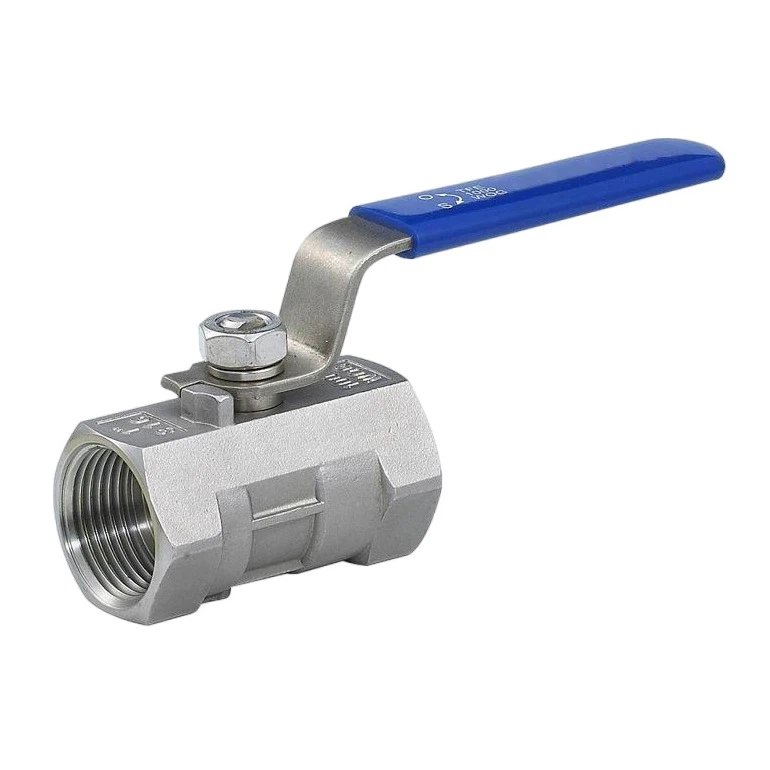
Before delving into maintenance, it's crucial to have a basic understanding of what a three-piece ball valve is. A three-piece ball valve consists of three main parts: two end caps and a center body. This design allows for easy disassembly, inspection, and repair, making it a popular choice in many industries. Compared to Two-piece Ball Valve and One-piece Ball Valve, the three-piece design offers greater flexibility in maintenance and customization.
Regular Inspection
Regular inspection is the cornerstone of effective valve maintenance. It helps in identifying potential issues early on, preventing costly breakdowns and ensuring the valve operates safely.
Visual Inspection
- External Condition: Check the valve body for any signs of corrosion, dents, or cracks. Corrosion can weaken the valve structure and lead to leaks, while dents and cracks can affect the valve's functionality. If corrosion is detected, it's important to clean the affected area and apply a suitable anti-corrosion coating.
- Gaskets and Seals: Inspect the gaskets and seals for wear, damage, or leakage. These components are crucial for preventing fluid leakage and maintaining the valve's integrity. If the gaskets or seals are worn or damaged, they should be replaced immediately with high-quality replacements.
- Handle and Actuator: Ensure that the handle or actuator operates smoothly and that the valve can be opened and closed easily. Any stiffness or resistance in the operation may indicate a problem with the internal components or the actuator.
Internal Inspection
- Ball and Seat: Periodically disassemble the valve to inspect the ball and seat for wear, scratches, or debris. The ball and seat are the key components that control the flow of fluid through the valve. Any damage to these components can affect the valve's sealing performance and lead to leakage. If necessary, clean the ball and seat using a suitable solvent and a soft brush.
- Stem and Packing: Check the stem for alignment and wear, and inspect the packing for proper compression and leakage. The stem is responsible for transmitting the rotational motion from the handle or actuator to the ball, while the packing prevents fluid from leaking along the stem. If the stem is misaligned or worn, it may need to be realigned or replaced. If the packing is leaking, it may need to be tightened or replaced.
Cleaning and Lubrication
Proper cleaning and lubrication are essential for maintaining the smooth operation of a three-piece ball valve.
Cleaning
- Flushing: Regularly flush the valve with a suitable cleaning solution to remove any dirt, debris, or contaminants that may have accumulated inside the valve. This helps prevent clogging and ensures the valve operates smoothly. The cleaning solution should be compatible with the valve materials and the fluid being handled.
- Disassembly Cleaning: For more thorough cleaning, disassemble the valve and clean each component separately. Use a soft brush and a suitable solvent to remove any stubborn dirt or debris. After cleaning, rinse the components thoroughly with clean water and dry them completely before reassembly.
Lubrication
- Stem and Ball: Apply a thin layer of lubricant to the stem and ball to reduce friction and ensure smooth operation. The lubricant should be compatible with the valve materials and the fluid being handled. Avoid using excessive lubricant, as it can attract dirt and debris and cause problems.
- Actuator: If the valve is equipped with an actuator, lubricate the actuator components according to the manufacturer's recommendations. This helps ensure the actuator operates smoothly and extends its lifespan.
Proper Installation and Operation
Proper installation and operation are also important factors in maintaining a three-piece ball valve.
Installation
- Correct Orientation: Install the valve in the correct orientation, following the manufacturer's instructions. The valve should be installed with the flow direction indicated on the valve body. Incorrect installation can affect the valve's performance and lead to premature wear.
- Proper Torque: Use the correct torque when tightening the bolts and nuts during installation. Over-tightening can damage the valve body or the gaskets, while under-tightening can cause leaks. Refer to the manufacturer's torque specifications for the correct values.
Operation
- Avoid Over-Torquing: When operating the valve, avoid over-torquing the handle or actuator. Over-torquing can damage the valve components and lead to premature failure. Use only the amount of force necessary to open or close the valve.
- Regular Operation: Operate the valve regularly to prevent the ball and seat from sticking together. This helps ensure the valve remains in good working condition and extends its lifespan.
Troubleshooting and Repair
Despite proper maintenance, problems may still occur with a three-piece ball valve. Here are some common issues and their possible solutions:
Leakage
- Gasket or Seal Failure: If the valve is leaking, check the gaskets and seals for wear or damage. Replace the gaskets or seals if necessary.
- Ball and Seat Damage: If the leakage persists after replacing the gaskets and seals, the ball and seat may be damaged. Inspect the ball and seat for wear, scratches, or debris, and replace them if necessary.
Difficulty in Operation
- Stem or Packing Issues: If the valve is difficult to operate, check the stem for alignment and wear, and inspect the packing for proper compression and leakage. Realign or replace the stem if necessary, and tighten or replace the packing.
- Internal Blockage: If the valve is still difficult to operate after checking the stem and packing, there may be an internal blockage. Disassemble the valve and clean the internal components to remove any dirt, debris, or contaminants.
Conclusion
Maintaining a three-piece ball valve is essential for ensuring its longevity, optimal performance, and safety. By following the tips outlined in this blog, including regular inspection, cleaning, lubrication, proper installation, and operation, you can keep your three-piece ball valve in good working condition and avoid costly breakdowns. If you have any questions or need further assistance with valve maintenance or if you're interested in purchasing high-quality Stainless Steel Flanged Ball Valve CF8/CF8M/CF3M or other types of ball valves, please don't hesitate to contact us for a detailed discussion and procurement negotiation.

References
- Valve Handbook, 4th Edition, by J. S. T. Lovick
- Industrial Valves: Selection, Specification, and Sizing, by R. A. Streeter


