


Hey there! As a supplier of Non Rising Valves, I've seen firsthand the importance of proper storage for these essential industrial components. In this blog, I'll share some tips on how to store a non - rising valve effectively to ensure its longevity and performance.
Why Proper Storage Matters
Before we dive into the storage methods, let's talk about why it's so crucial to store non - rising valves correctly. Non Rising Valves, like the ones you can check out here, are precision - made pieces of equipment. They are designed to control the flow of fluids in various industrial applications, from water treatment plants to oil refineries. If they are not stored properly, they can be damaged by environmental factors such as moisture, dust, and corrosion. This can lead to leaks, reduced efficiency, and even complete failure of the valve, which can be a costly problem for any business.

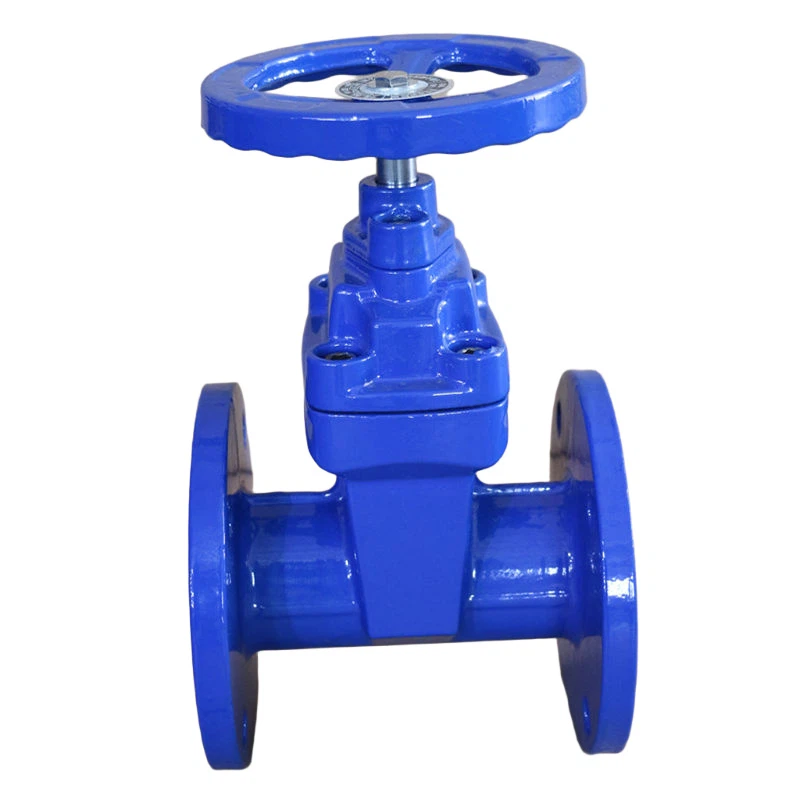
Pre - storage Preparation
First things first, before you store a non - rising valve, you need to give it a good cleaning. Use a mild detergent and a soft brush to remove any dirt, debris, or residue from the valve's surface. Make sure to clean all the nooks and crannies, including the valve stem, body, and seats. After cleaning, rinse the valve thoroughly with clean water and dry it completely. You can use a clean cloth or compressed air to speed up the drying process.
Next, inspect the valve for any signs of damage or wear. Check the valve stem for straightness, the seats for smoothness, and the body for cracks or dents. If you notice any issues, it's best to repair or replace the damaged parts before storing the valve. This will prevent further damage during storage and ensure that the valve is in good working condition when it's time to use it.
Choosing the Right Storage Location
The storage location plays a vital role in keeping your non - rising valves in good shape. You want to find a place that is dry, clean, and well - ventilated. Avoid areas that are prone to flooding, high humidity, or extreme temperatures. A warehouse or storage shed with climate control is ideal, but if that's not available, you can still take steps to protect the valves.
If you're storing the valves outdoors, make sure they are covered with a waterproof tarp or stored in a weather - resistant container. Elevate the valves off the ground to prevent moisture from seeping in. You can use pallets or racks to keep the valves off the floor.
Storage Orientation
When it comes to storing non - rising valves, the orientation matters. It's best to store the valves in a horizontal position. This helps to prevent any stress on the valve stem and seats. If you need to store the valves vertically, make sure they are properly supported to avoid any bending or distortion of the valve components.
Protecting the Valve Components
To further protect the non - rising valve, you can use protective covers or caps. These can be made of plastic, rubber, or other materials. Cover the valve stem to prevent dust and debris from getting into the threads. You can also use a cap on the valve inlet and outlet to keep out moisture and contaminants.
Another important thing to consider is lubrication. Apply a thin layer of lubricant to the valve stem and other moving parts. This helps to prevent corrosion and ensures smooth operation when the valve is put back into service. Make sure to use a lubricant that is compatible with the valve materials.
Regular Inspections
Even if you've stored the non - rising valve correctly, it's still a good idea to conduct regular inspections. Check the valve for any signs of corrosion, damage, or deterioration. Inspect the protective covers and caps to make sure they are still in place and in good condition. If you notice any issues, take action immediately to prevent further damage.
Handling During Storage
When moving or handling the non - rising valves during storage, be careful not to drop or bang them. Use proper lifting equipment, such as cranes or forklifts, to move the valves. Make sure the lifting equipment is rated for the weight of the valve. Avoid any rough handling that could cause damage to the valve components.
Documentation
Keep detailed records of the stored non - rising valves. This includes information such as the valve model, serial number, date of storage, and any inspection results. Having this documentation on hand can be very helpful when it's time to retrieve the valve for use. It can also help you track the valve's history and ensure that it has been stored and maintained properly.
Long - term Storage Considerations
If you're planning to store the non - rising valves for an extended period, there are a few additional steps you can take. Consider applying a rust - preventive coating to the valve body. This can provide an extra layer of protection against corrosion. You can also store the valves in a nitrogen - filled environment to further reduce the risk of oxidation.
Conclusion
Proper storage of non - rising valves is essential to ensure their performance and longevity. By following these tips, you can protect your valves from damage and keep them in good working condition. If you're in the market for high - quality Non Rising Valves, you can check out our Gate Valve Non Rising options.
If you have any questions about non - rising valve storage or if you're interested in purchasing our valves, feel free to reach out. We're here to help you find the right solutions for your industrial needs.
References
- Industrial Valve Handbook: A comprehensive guide to valve selection, installation, and maintenance.
- Valve Manufacturer's Guidelines: Specific instructions from valve manufacturers on storage and handling.


