


Hey there! As a supplier of flanged butterfly valves, I know how crucial it is to ensure these valves work perfectly. Testing a flanged butterfly valve isn't just a formality; it's a key step to guarantee its performance, safety, and longevity. In this blog, I'll walk you through the process of testing a flanged butterfly valve, sharing some practical tips and insights along the way.
Pre - test Checks
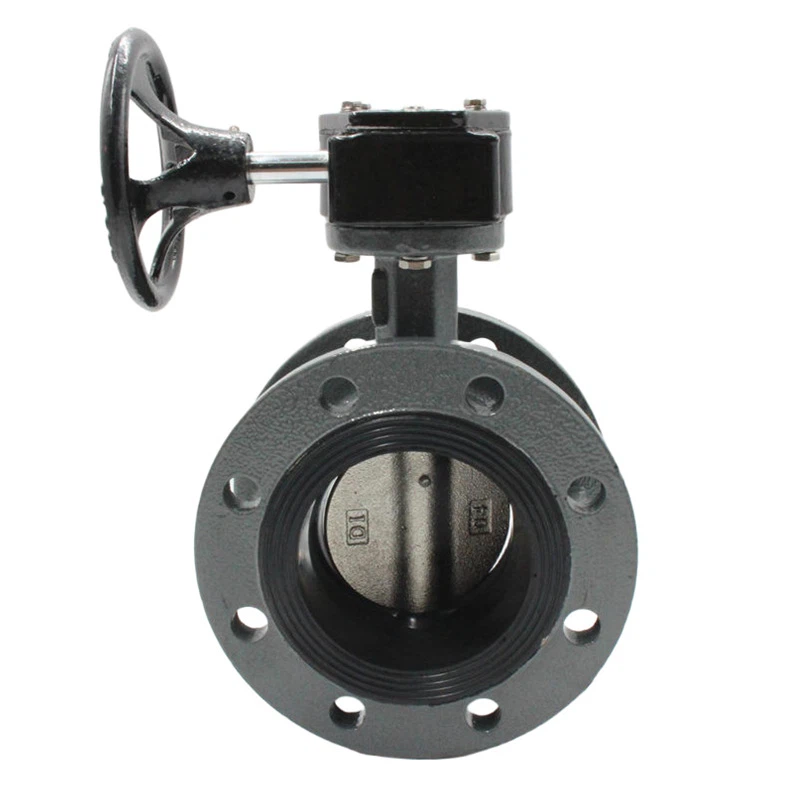
Before we dive into the actual testing, there are a few pre - test checks we need to do. First off, visually inspect the valve. Look for any obvious signs of damage, like cracks, dents, or scratches on the body of the valve. Check the flange faces to make sure they are smooth and free from any debris or corrosion. A damaged flange face can lead to leaks when the valve is installed.
Also, examine the disc and the stem. The disc should move freely without any binding or excessive play. The stem should be straight and properly connected to the disc. Any misalignment here can cause the valve to malfunction.

Pressure Testing
One of the most important tests for a flanged butterfly valve is the pressure test. There are two main types of pressure tests: the shell test and the seat test.
Shell Test
The shell test checks the integrity of the valve body. To perform this test, we first close the valve. Then, we fill the valve body with a test medium, usually water. The pressure is gradually increased to a specified test pressure, which is typically higher than the normal operating pressure. For example, if the valve is designed to operate at 100 psi, the test pressure might be set at 150 psi.
We maintain this pressure for a set period, usually around 5 minutes. During this time, we carefully inspect the valve body for any signs of leakage. If there are no visible leaks, the valve passes the shell test. This test ensures that the valve can withstand the pressure it will encounter in real - world applications without bursting or developing leaks in the body.
Seat Test
The seat test focuses on the sealing performance of the valve. We open the valve and introduce the test medium. Then, we close the valve and apply pressure from one side. The pressure is again maintained for a specific time, and we check for any leakage past the seat.
A good - quality flanged butterfly valve should have minimal to no leakage during the seat test. Leakage can lead to inefficiencies in the system and can even be a safety hazard in some applications. For instance, in a chemical processing plant, a leaking valve can cause the release of hazardous chemicals.
Operational Testing
After the pressure tests, it's time for operational testing. This test evaluates how well the valve functions in normal operation.
We start by manually operating the valve. We open and close the valve several times to check for smooth operation. The handle or actuator should move easily, and the valve should open and close fully. Any resistance or difficulty in operation could indicate a problem with the internal components.
If the valve is equipped with an actuator, like the PTFE Lined Butterfly Valve Pneumatic Actuator, we test the actuator's performance. We use the actuator to open and close the valve multiple times. The actuator should respond quickly and accurately to the control signals. We also check the position indication to make sure it correctly shows whether the valve is open or closed.
Flow Testing
Flow testing helps us understand how the valve affects the flow of the medium in the pipeline. We measure the flow rate through the valve at different openings. By comparing the measured flow rates with the valve's rated flow characteristics, we can determine if the valve is performing as expected.
A well - designed flanged butterfly valve should have a predictable flow rate based on its opening position. If the flow rate is significantly different from the rated values, it could mean there are issues with the valve's internal design or the installation.
Testing Different Types of Flanged Butterfly Valves
We offer a variety of flanged butterfly valves, such as the 6 Inch Flanged Butterfly Valve and the Stainless Steel Flanged Butterfly Valve. While the basic testing principles remain the same, there are some differences to note.
For larger valves like the 6 - inch flanged butterfly valve, the pressure and flow testing might require more specialized equipment due to the higher flow rates and pressures involved. The seat test might also be more critical as a small leak can have a more significant impact on the overall system.
Stainless steel flanged butterfly valves, on the other hand, are often used in corrosive environments. So, in addition to the standard tests, we might perform corrosion resistance tests. We expose the valve to a corrosive medium for a certain period and then check for any signs of corrosion on the surface.
Post - test Inspection
Once all the tests are completed, we conduct a final inspection. We drain the test medium from the valve and dry it thoroughly. Then, we check for any signs of damage that might have occurred during the testing process. If there are any minor issues, we can make the necessary repairs.
If the valve passes all the tests, we label it as tested and ready for shipment. Each valve comes with a test report that details the test results, including the test pressures, times, and any observations made during the tests.
Why Testing Matters
Testing a flanged butterfly valve is not just about meeting industry standards; it's about providing our customers with a reliable product. A valve that fails in operation can cause costly downtime, damage to other equipment in the system, and even pose a safety risk to the operators.
By conducting comprehensive tests, we can identify and fix any potential problems before the valve is installed in the field. This saves our customers time and money in the long run.
Contact Us for Your Flanged Butterfly Valve Needs
If you're in the market for high - quality flanged butterfly valves, we're here to help. We've got a wide range of options, including the 6 Inch Flanged Butterfly Valve and the Stainless Steel Flanged Butterfly Valve. Our valves are rigorously tested to ensure they meet the highest standards of performance and reliability.
Whether you need a single valve for a small project or a large quantity for an industrial application, we can provide you with the right solution. Contact us today to discuss your requirements and start the procurement process. We're always happy to answer your questions and help you find the best valve for your needs.
References
- Valve Testing Standards Handbook
- Industrial Valve Engineering and Technology Manual


