


Hey there! As a supplier of CS Wafer Check Valves, I often get asked a bunch of questions about these nifty little devices. One question that pops up quite a bit is, "Is there a specific flow direction for a CS Wafer Check Valve?" Well, let's dive right in and find out.
First off, let's talk a bit about what a CS Wafer Check Valve is. CS stands for Carbon Steel, and a wafer check valve is a type of valve that allows fluid to flow in one direction only. It's called a "wafer" valve because it's designed to be installed between two flanges, kind of like a wafer sandwiched between two pieces of bread. These valves are super common in all sorts of industries, from water treatment plants to oil and gas refineries.
Now, back to the main question: does a CS Wafer Check Valve have a specific flow direction? The answer is a resounding yes! These valves are engineered to work in a particular way, and that means they have a defined inlet and outlet. The flow should always enter the valve from the side marked as the inlet and exit from the outlet side.
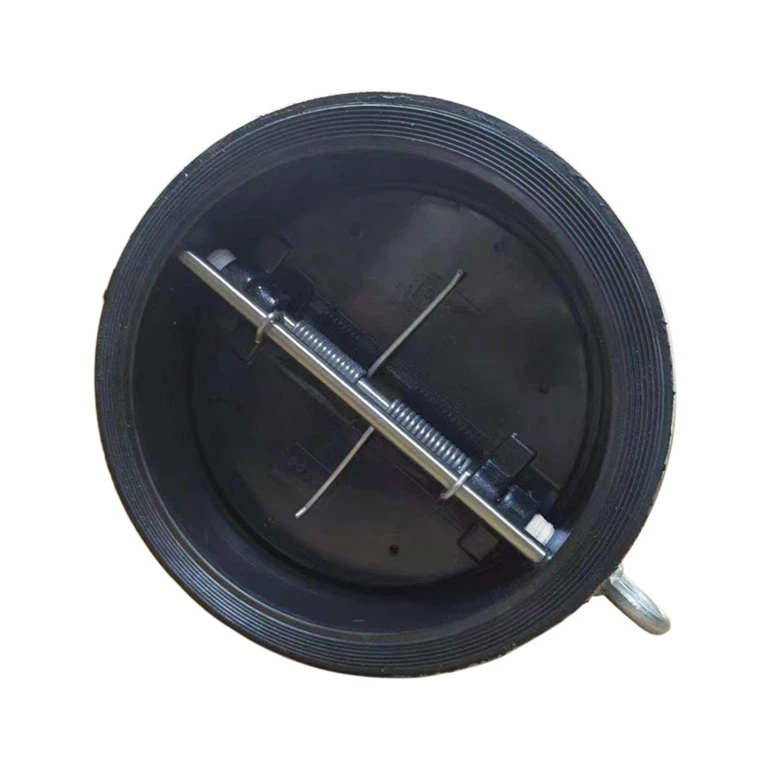
Why is this so important? Well, it all boils down to how the valve operates. A check valve has a disc that opens when the fluid is flowing in the correct direction and closes when the flow reverses. If you install the valve backwards, the disc won't function properly. Instead of opening to let the fluid through, it'll either stay closed or not close when it should. This can lead to all sorts of problems, like reduced flow, increased pressure, and even damage to the valve itself.
Let's take a closer look at how the flow direction affects the valve's performance. When the fluid enters the valve from the correct side, the pressure of the fluid pushes the disc open. This allows the fluid to pass through the valve with minimal resistance. Once the flow stops or tries to reverse, the disc swings back into place, blocking the flow and preventing backflow. It's a simple yet effective mechanism that keeps the system running smoothly.
But what if you accidentally install the valve the wrong way? As I mentioned earlier, things can go south pretty quickly. If the flow enters from the outlet side, the disc won't open as it should. This creates a blockage, which can cause the pressure in the system to build up. High pressure can lead to leaks, pipe bursts, and other costly repairs. In some cases, it can even shut down the entire system.
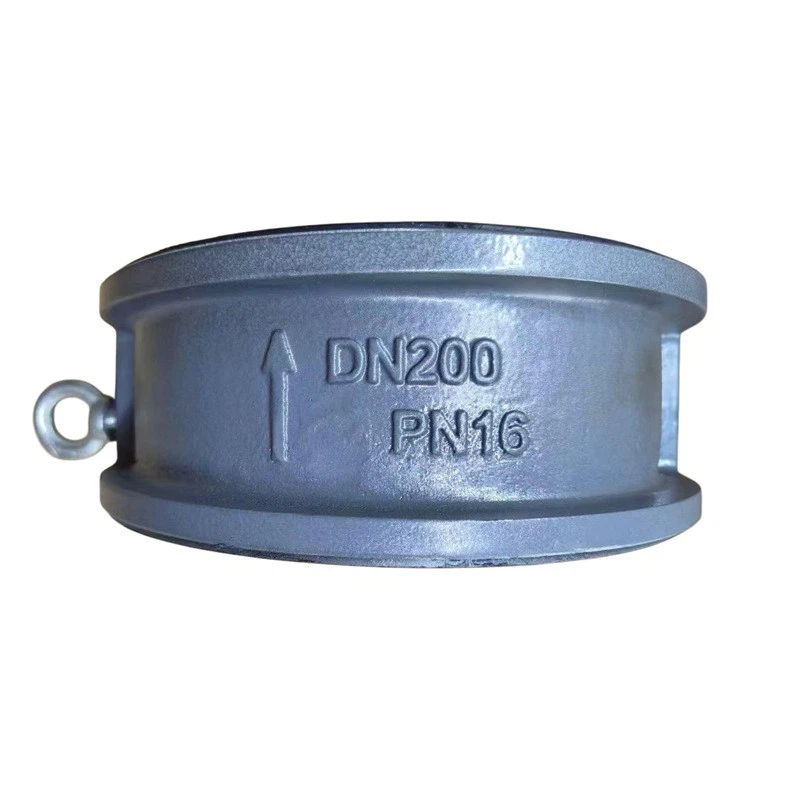
So, how can you tell which way is the correct flow direction? Most CS Wafer Check Valves come with clear markings on the body. You'll usually see an arrow indicating the direction of flow. It's a good idea to double-check these markings before installation to make sure you're getting it right. If you're still not sure, you can always refer to the valve's documentation or give us a call. We're here to help!
Now, let's talk about the different types of CS Wafer Check Valves we offer. We have a wide range of options to suit different applications and requirements. For example, our Stainless Steel Hard-Seal Wafer Check Valve is great for high-pressure and high-temperature applications. It's made from stainless steel, which provides excellent corrosion resistance and durability.
Another popular option is our Carbon Steel Fully Lined EPDM Wafer Check Valve. This valve is lined with EPDM (Ethylene Propylene Diene Monomer), which makes it resistant to a variety of chemicals and fluids. It's a great choice for applications where chemical compatibility is a concern.
Of course, our CS Wafer Check Valve is a classic. It's made from high-quality carbon steel and is suitable for a wide range of general-purpose applications. Whether you're working on a small plumbing project or a large industrial system, this valve is a reliable choice.
In conclusion, a CS Wafer Check Valve definitely has a specific flow direction, and it's crucial to install it correctly. By following the flow direction markings and using the right valve for your application, you can ensure optimal performance and avoid costly problems down the road.
If you're in the market for a CS Wafer Check Valve or have any questions about our products, don't hesitate to reach out. We're here to provide you with the best solutions for your needs. Whether you're a professional engineer, a maintenance technician, or a DIY enthusiast, we have the expertise and products to help you get the job done right.
References
- Valve Handbook, Various Authors
- Industrial Valve Standards, ASME and API Publications


