


When it comes to slurry applications, selecting the right one-piece ball valve is crucial for ensuring efficient and reliable operation. As a one-piece ball valve supplier, I understand the challenges and requirements that come with slurry handling. In this blog post, I will guide you through the key factors to consider when choosing a one-piece ball valve for slurry applications.
Understanding Slurry Applications
Slurry is a mixture of solid particles suspended in a liquid, typically water. It can be highly abrasive, corrosive, and viscous, depending on the nature of the solids and the liquid. Slurry applications are common in industries such as mining, chemical processing, power generation, and wastewater treatment.
In these applications, ball valves are used to control the flow of slurry through pipes. The valve must be able to withstand the abrasive and corrosive nature of the slurry, as well as the high pressures and temperatures that may be present.

Key Factors to Consider
1. Material Selection
The choice of material for the one-piece ball valve is critical in slurry applications. The valve body, ball, and seats should be made of materials that are resistant to abrasion and corrosion.
- Valve Body: For slurry applications, cast iron, stainless steel, and alloy steel are commonly used materials for the valve body. Cast iron is a cost-effective option, but it may not be suitable for highly abrasive or corrosive slurries. Stainless steel and alloy steel offer better resistance to abrasion and corrosion, but they are more expensive.
- Ball: The ball is the most critical component of the ball valve, as it comes into direct contact with the slurry. Hardened stainless steel, ceramic, and tungsten carbide are commonly used materials for the ball. These materials offer excellent resistance to abrasion and corrosion, ensuring a long service life for the valve.
- Seats: The seats of the ball valve are responsible for providing a tight seal when the valve is closed. PTFE (polytetrafluoroethylene), graphite, and metal are commonly used materials for the seats. PTFE is a popular choice due to its excellent chemical resistance and low friction coefficient. However, it may not be suitable for high-temperature applications. Graphite and metal seats offer better resistance to high temperatures and pressures, but they may require more maintenance.
2. Valve Design
The design of the one-piece ball valve can also have a significant impact on its performance in slurry applications.
- Full Port vs. Reduced Port: Full port ball valves have a larger bore diameter than reduced port ball valves, which allows for a higher flow rate and less pressure drop. In slurry applications, full port ball valves are generally preferred, as they are less likely to become clogged with solid particles.
- Trunnion vs. Floating Ball: Trunnion ball valves have a fixed ball that is supported by trunnions at the top and bottom, while floating ball valves have a ball that is free to move within the valve body. Trunnion ball valves are better suited for high-pressure applications, as they can withstand higher forces without deforming. Floating ball valves are more commonly used in low-pressure applications.
- End Connections: The end connections of the ball valve should be compatible with the pipes in the slurry system. Flanged, threaded, and welded end connections are commonly used in slurry applications. Flanged end connections are the most common, as they provide a secure and leak-free connection.
3. Pressure and Temperature Ratings
The pressure and temperature ratings of the one-piece ball valve must be suitable for the operating conditions of the slurry system.
- Pressure Rating: The pressure rating of the ball valve indicates the maximum pressure that the valve can withstand without leaking or failing. In slurry applications, the pressure rating of the valve should be higher than the maximum operating pressure of the system to ensure a safe and reliable operation.
- Temperature Rating: The temperature rating of the ball valve indicates the maximum temperature that the valve can withstand without losing its mechanical properties. In slurry applications, the temperature rating of the valve should be suitable for the temperature of the slurry and the surrounding environment.
4. Flow Rate and Cv Value
The flow rate and Cv value of the one-piece ball valve are important factors to consider when selecting a valve for slurry applications.
- Flow Rate: The flow rate of the ball valve refers to the volume of slurry that can pass through the valve per unit of time. The flow rate of the valve should be sufficient to meet the requirements of the slurry system.
- Cv Value: The Cv value of the ball valve is a measure of its flow capacity. It is defined as the number of gallons per minute of water that can flow through the valve at a pressure drop of 1 psi. The Cv value of the valve should be selected based on the flow rate and pressure drop requirements of the slurry system.
Comparing with Other Types of Ball Valves
In addition to one-piece ball valves, there are also Three-piece Ball Valve and Two-piece Ball Valve available in the market. Each type of ball valve has its own advantages and disadvantages, and the choice of valve depends on the specific requirements of the slurry application.
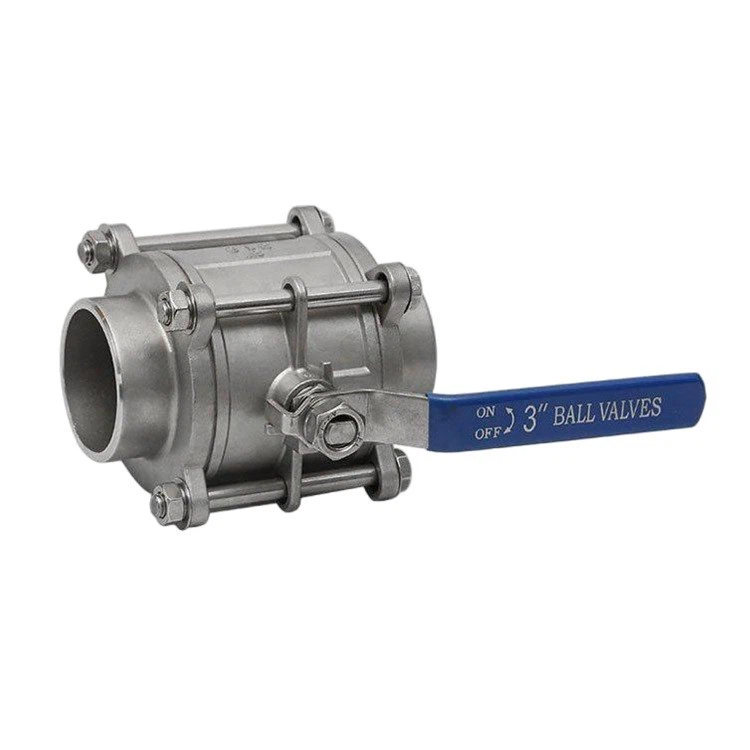
- Three-piece Ball Valve: Three-piece ball valves are designed with a removable body, which allows for easy maintenance and repair. They are commonly used in applications where frequent maintenance is required, such as in chemical processing plants. However, three-piece ball valves are generally more expensive than one-piece ball valves.
- Two-piece Ball Valve: Two-piece ball valves are a more cost-effective option than three-piece ball valves. They are designed with a two-piece body, which provides a good balance between cost and performance. Two-piece ball valves are commonly used in applications where moderate maintenance is required, such as in water treatment plants.
Special Considerations for One Piece Copper Ball Valve
If you are considering a One Piece Copper Ball Valve for your slurry application, there are some special considerations to keep in mind.
- Corrosion Resistance: Copper is a relatively soft metal that is susceptible to corrosion in certain environments. In slurry applications, it is important to ensure that the copper ball valve is protected from corrosion by using a suitable coating or lining.
- Abrasion Resistance: Copper is not as hard as stainless steel or other metals, which means that it may be more prone to abrasion in slurry applications. To improve the abrasion resistance of the copper ball valve, a hardened coating or insert can be used.
Conclusion
Selecting the right one-piece ball valve for a slurry application requires careful consideration of several factors, including material selection, valve design, pressure and temperature ratings, flow rate, and Cv value. By choosing a valve that is specifically designed for slurry applications, you can ensure efficient and reliable operation of your slurry system.
As a one-piece ball valve supplier, I am committed to providing high-quality valves that meet the specific requirements of your slurry application. If you have any questions or need assistance in selecting the right valve for your project, please do not hesitate to contact me. I look forward to discussing your needs and helping you find the best solution for your slurry application.
References
- "Valve Selection Guide for Slurry Applications," Valve Magazine
- "Ball Valve Handbook," Crane Co.
- "Slurry Handling Technology," Chemical Engineering Progress


