


Temperature changes can have a significant impact on the performance and longevity of non - rising valves. As a supplier of non - rising valves, I have witnessed firsthand how these changes can affect the functionality of our products. In this blog, I will delve into the various effects of temperature changes on non - rising valves and discuss how we, as a supplier, address these challenges to ensure the best performance of our valves.
Thermal Expansion and Contraction
One of the most direct effects of temperature changes on non - rising valves is thermal expansion and contraction. When the temperature rises, the materials of the valve, including the valve body, stem, and seats, expand. Conversely, when the temperature drops, these materials contract. This expansion and contraction can lead to several issues.
For instance, excessive thermal expansion can cause the valve components to bind. If the valve stem expands more than the valve body, it may become difficult to operate the valve. This can result in increased torque requirements for opening and closing the valve, which may lead to premature wear of the valve's operating mechanism. In extreme cases, the valve may even become stuck in an open or closed position, rendering it inoperable.
On the other hand, thermal contraction can create gaps between the valve components. For example, a contraction in the valve seat can lead to leakage. Even a small gap can allow the fluid or gas passing through the valve to seep past the seat, reducing the valve's efficiency and potentially causing safety hazards in systems where tight shut - off is crucial.
To mitigate these issues, we, as a non - rising valve supplier, carefully select materials with appropriate coefficients of thermal expansion. We use materials that expand and contract in a predictable manner within the expected temperature range of the application. Additionally, we design our valves with sufficient clearances to accommodate normal thermal expansion and contraction without causing binding or leakage.
Material Degradation
Temperature changes can also accelerate material degradation in non - rising valves. High temperatures can cause the lubricants used in the valve's moving parts to break down. Lubricants are essential for reducing friction between the valve stem and the packing, as well as between other moving components. When the lubricant degrades, friction increases, leading to faster wear and tear of the valve parts.
Moreover, high temperatures can cause chemical reactions in the valve materials. For example, in some cases, oxidation can occur, especially in valves made of metals. Oxidation can weaken the material, making it more prone to corrosion and mechanical failure. In environments with high humidity and temperature, the rate of corrosion can be even more significant.
Low temperatures can also have a detrimental effect on valve materials. Some materials become more brittle at low temperatures, increasing the risk of cracking. For example, certain plastics and elastomers used in valve seals may lose their flexibility and become prone to breaking when exposed to extremely cold temperatures.
As a supplier, we take these factors into account during the manufacturing process. We use high - quality lubricants that are specifically formulated to withstand a wide range of temperatures. For the valve materials, we conduct extensive testing to ensure their durability under different temperature conditions. We may also apply protective coatings to the valve surfaces to prevent oxidation and corrosion.
Seal Integrity
The integrity of the seals in non - rising valves is crucial for their proper functioning. Temperature changes can have a profound impact on seal performance. Seals are typically made of elastomers or other soft materials that are designed to create a tight seal between the valve components.
At high temperatures, elastomeric seals can lose their elasticity. They may become soft and deform, which can lead to leakage. The high temperature can also cause the seal material to harden over time, reducing its ability to conform to the mating surfaces and maintain a proper seal.
Low temperatures, on the other hand, can make the seals brittle. The reduced flexibility of the seal material can cause it to crack or split, allowing fluid or gas to pass through. This is particularly problematic in applications where the valve is used to control the flow of cryogenic fluids, such as in the liquefied natural gas (LNG) industry.
To ensure seal integrity, we offer a variety of seal materials that are suitable for different temperature ranges. We work closely with our customers to understand the specific temperature requirements of their applications and recommend the most appropriate seal materials. For example, for high - temperature applications, we may suggest seals made of fluorocarbon elastomers, which have excellent heat resistance. For low - temperature applications, we may recommend seals made of materials like nitrile rubber with special formulations to maintain flexibility at cold temperatures.
Impact on Operating Torque
Temperature changes can also affect the operating torque of non - rising valves. As mentioned earlier, thermal expansion and contraction can cause binding between the valve components, which increases the torque required to operate the valve.
In high - temperature environments, the increased friction due to lubricant degradation and material expansion can make it more difficult to turn the valve stem. This can put additional stress on the valve's operating mechanism, such as the handwheel or actuator. If the operating torque exceeds the capacity of the actuator, the valve may not be able to be opened or closed properly.
In low - temperature environments, the brittleness of the materials and the reduced flexibility of the seals can also contribute to an increase in operating torque. The valve stem may become more difficult to move, and the actuator may need to work harder to overcome the resistance.
As a non - rising valve supplier, we design our valves to have appropriate operating torques within the expected temperature range. We also provide detailed torque data for our valves, which helps our customers select the right actuators for their applications. Additionally, we offer valve maintenance services and training to help our customers ensure that their valves are operating at optimal torque levels.
Addressing Temperature - Related Challenges in Our Products
As a supplier of non - rising valves, we are committed to providing high - quality products that can withstand the challenges posed by temperature changes. We invest in research and development to continuously improve our valve designs and materials.
We use advanced manufacturing techniques to ensure the precision of our valve components. This helps to minimize the effects of thermal expansion and contraction. For example, we use computer - controlled machining processes to achieve tight tolerances in the valve dimensions.
We also conduct rigorous testing on our valves under different temperature conditions. Our testing facilities can simulate a wide range of temperatures, from extremely cold to very high temperatures. This allows us to identify any potential issues with the valve performance and make necessary adjustments before the products are shipped to our customers.
Conclusion
Temperature changes can have a wide range of effects on non - rising valves, including thermal expansion and contraction, material degradation, seal integrity issues, and changes in operating torque. As a Non Rising Valve supplier, we are well - aware of these challenges and take proactive measures to address them.
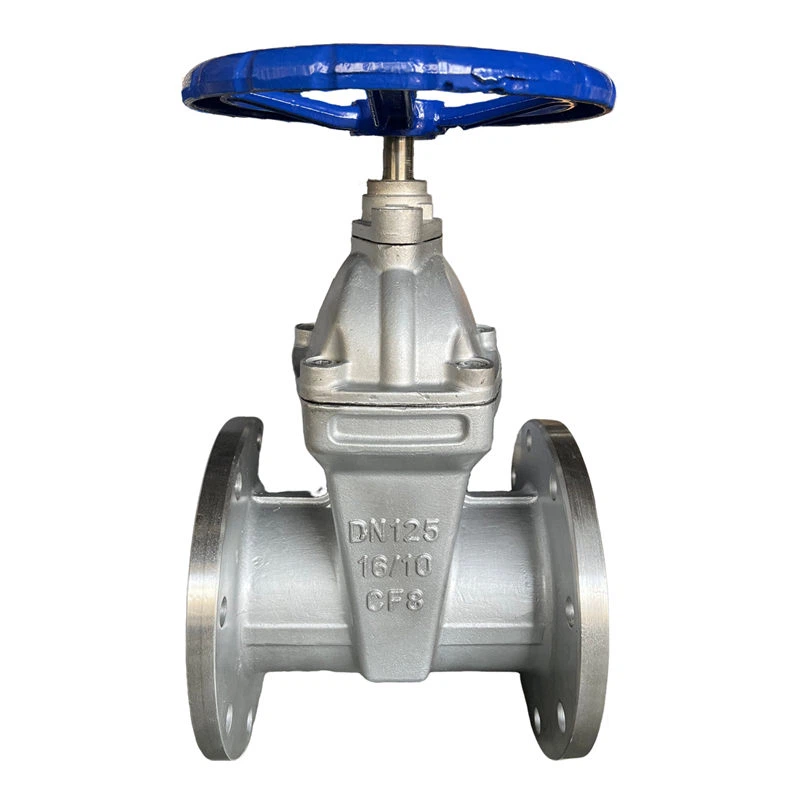
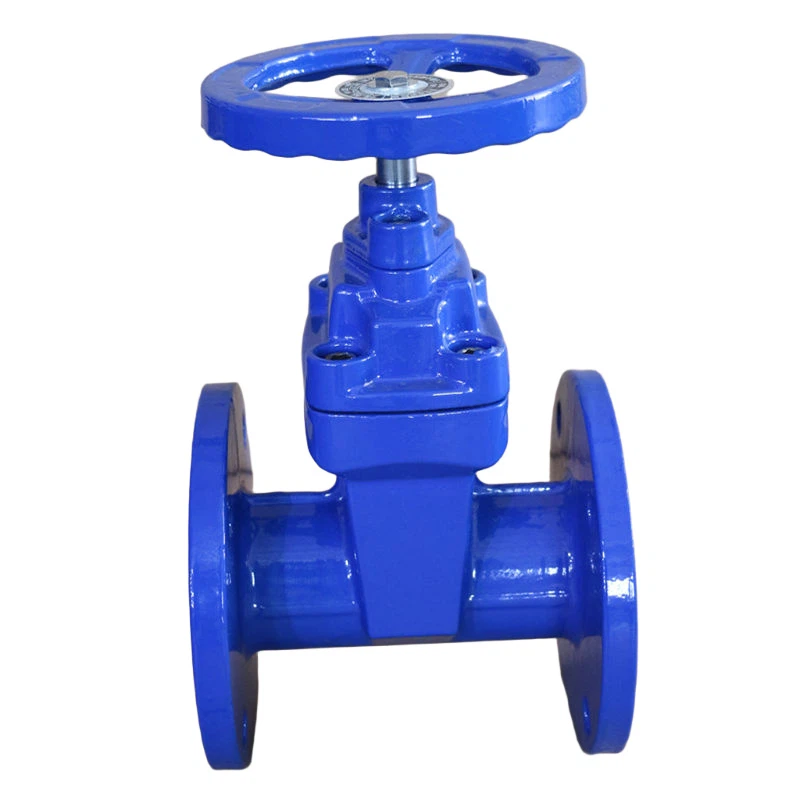
We offer a comprehensive range of non - rising valves, including Gate Valve Non Rising, that are designed to perform reliably under different temperature conditions. Our commitment to quality and innovation ensures that our customers can trust our valves to meet their specific application requirements.
If you are in need of non - rising valves for your project, we invite you to contact us for a detailed discussion. Our team of experts is ready to assist you in selecting the right valves and providing you with the best solutions for your temperature - sensitive applications.
References
- ASME Boiler and Pressure Vessel Code, Section VIII, Division 1: Rules for Construction of Pressure Vessels
- API 600: Steel Gate Valves - Flanged and Butt - Welding Ends, Bolted Bonnet
- ISO 5208: Industrial valves - Pressure testing of valves


