


Can a Ball Valve be Used in a Fire - Safe Application?
In the world of industrial valves, the question of whether a ball valve can be used in a fire - safe application is one that demands careful consideration. As a ball valve supplier, I've encountered numerous inquiries from customers seeking reliable valve solutions for fire - prone environments. In this blog, we'll delve into the technical aspects, advantages, and limitations of using ball valves in fire - safe applications.
Understanding Fire - Safe Requirements
Before we assess the suitability of ball valves for fire - safe applications, it's crucial to understand what fire - safe requirements entail. Fire - safe valves are designed to maintain their functionality and prevent the leakage of flammable fluids in the event of a fire. They must be able to withstand high temperatures, typically up to 1000°C (1832°F), for a specified period, usually around 30 minutes. This is to ensure that in case of a fire, the valve can isolate the source of fuel, minimizing the spread of fire and potential damage.
How Ball Valves Work
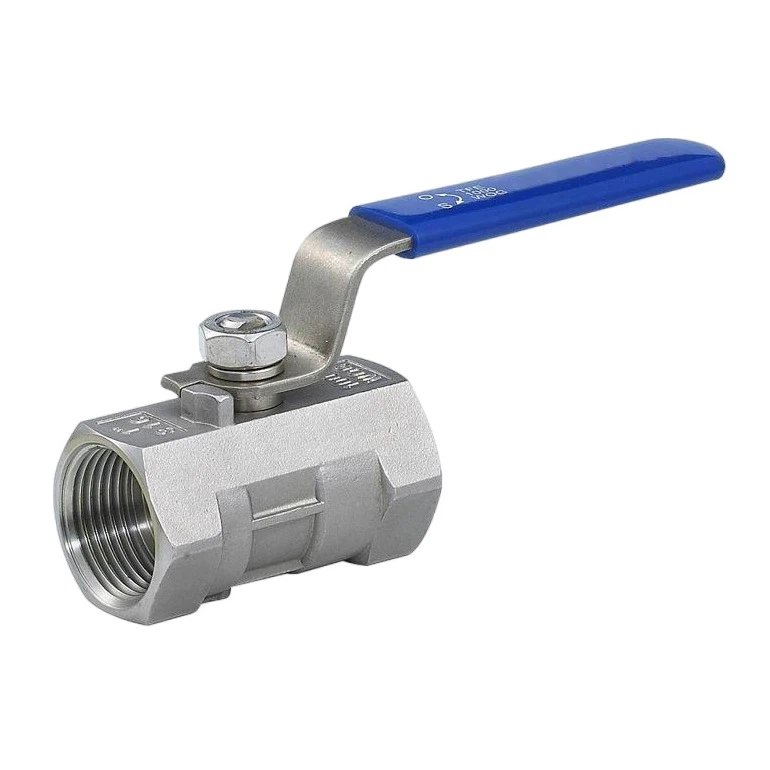
A ball valve is a quarter - turn valve that uses a spherical disc (the ball) to control the flow of fluid. When the valve is open, the hole in the ball aligns with the pipeline, allowing fluid to pass through. When the valve is closed, the ball rotates 90 degrees, blocking the flow. Ball valves are known for their quick operation, tight shut - off, and low pressure drop, which make them popular in various industries.
Types of Ball Valves
There are several types of ball valves available in the market, each with its own characteristics. For instance, we have the One - piece Ball Valve, which is a simple and cost - effective design. It is typically made in one solid piece, which provides high strength but may limit access for maintenance.
The Two - piece Ball Valve consists of two main parts, which allows for easier disassembly and maintenance compared to the one - piece design. This type of valve is widely used in many industrial applications.
Another option is the Three - piece Ball Valve. It offers the advantage of easy access to the internal components for cleaning, repair, or replacement. The three - piece design makes it suitable for applications where frequent maintenance is required.
Fire - Safe Features of Ball Valves
Modern ball valves can be designed with fire - safe features to meet the stringent requirements of fire - prone environments. One of the key features is the use of fire - resistant materials. For example, the valve body can be made of materials such as stainless steel or carbon steel, which have good heat resistance properties. The seats and seals of the ball valve are also crucial. In normal operation, they are made of soft materials like PTFE (Polytetrafluoroethylene) to ensure a tight seal. However, in the event of a fire, these soft materials may burn away. To address this, fire - safe ball valves are equipped with secondary metal - to - metal seals. When the soft seals are damaged by the fire, the metal - to - metal seals come into play, providing a backup seal to prevent the leakage of flammable fluids.

Testing and Certification
To ensure that a ball valve is truly fire - safe, it must undergo rigorous testing and obtain relevant certifications. One of the most recognized standards for fire - safe valves is API 607. This standard specifies the test requirements for quarter - turn valves, including ball valves, to evaluate their performance in a fire situation. Valves that pass the API 607 test are considered to have met the minimum requirements for fire - safe applications.
Advantages of Using Ball Valves in Fire - Safe Applications
There are several advantages to using ball valves in fire - safe applications. Firstly, their quick - acting nature allows for rapid isolation of the pipeline in case of a fire. This can significantly reduce the amount of flammable fluid that is exposed to the fire, thereby minimizing the risk of fire spread. Secondly, ball valves offer a tight shut - off, which is essential for preventing the leakage of fuel. Their low pressure drop also means that they have less impact on the overall system performance, making them suitable for a wide range of industrial processes.
Limitations and Considerations
While ball valves can be designed for fire - safe applications, there are some limitations and considerations. For example, the performance of a fire - safe ball valve may be affected by factors such as the size of the valve, the type of fluid being handled, and the operating conditions. Larger valves may face more challenges in maintaining a tight seal during a fire due to the increased forces acting on the valve components. Additionally, the frequency of operation can also impact the valve's fire - safe performance. If a valve is frequently opened and closed, the wear and tear on the seals may reduce their effectiveness in a fire situation.
Conclusion
In conclusion, a ball valve can indeed be used in a fire - safe application, provided that it is designed and manufactured with the appropriate fire - safe features and has obtained the necessary certifications. As a ball valve supplier, we are committed to providing high - quality fire - safe ball valves that meet the diverse needs of our customers. Whether you require a one - piece, two - piece, or three - piece ball valve, we can offer solutions that are reliable and compliant with industry standards.
If you are in the market for ball valves for fire - safe applications, we invite you to reach out to us for a detailed discussion. Our team of experts is ready to assist you in selecting the right valve for your specific requirements. We can provide you with more information about our products, their features, and how they can be customized to suit your needs. Don't hesitate to contact us for a procurement discussion.
References
- API 607: Fire - test Standard for Quarter - Turn Valves and Ball Valves with Metal Seats
- Valve Handbook, Third Edition, by J. S. S. Lee and R. E. Bolz


