


Hey there! As a supplier of flanged butterfly valves, I often get asked a bunch of questions from customers. One question that pops up quite a bit is, "Can a flanged butterfly valve be used in a cryogenic environment?" Well, let's dig into this topic and find out.
First off, let's understand what a cryogenic environment is. Cryogenic temperatures are super cold, usually below -150°C (-238°F). Industries like liquefied natural gas (LNG), aerospace, and some scientific research deal with these frigid conditions. In these environments, materials and equipment face unique challenges.
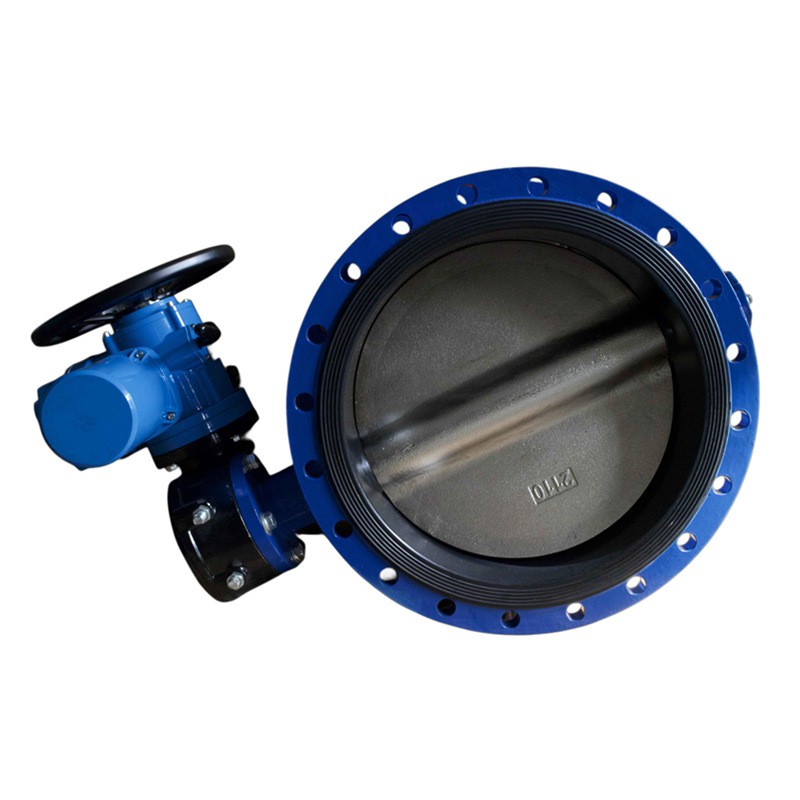
Now, flanged butterfly valves are pretty popular in the valve world. They're simple in design, easy to install, and cost - effective. You can check out our Butterfly Double Flange which is a great example of a flanged butterfly valve. It has a lot of features that make it useful in normal conditions, but can it handle the cold?
One of the main concerns in a cryogenic environment is the contraction of materials. As the temperature drops, most materials shrink. This can cause issues like leakage if the valve components contract at different rates. For a flanged butterfly valve, the valve body, disc, and seat need to be made of materials that can withstand this contraction without losing their sealing ability.
We offer SS Metal - Seat Electric Butterfly Valve. Stainless steel is a common choice for cryogenic applications because it has relatively low thermal contraction and good corrosion resistance. The metal seat can also provide a more reliable seal in cold temperatures compared to some soft seats which might become brittle.
Another aspect is the lubrication. In normal conditions, lubricants help the valve operate smoothly. But in cryogenic environments, regular lubricants can freeze or lose their viscosity. So, special cryogenic - grade lubricants need to be used. If the valve isn't properly lubricated, it can become difficult to open and close, and might even get damaged over time.
The design of the valve also matters. A well - designed flanged butterfly valve for cryogenic use should have a structure that allows for some flexibility to accommodate the thermal expansion and contraction. For example, the connection between the disc and the stem should be able to handle the stresses caused by the temperature changes.
Our Ductile Iron Electric Flanged Butterfly Valve might seem like a good option, but ductile iron has its limitations in cryogenic environments. At extremely low temperatures, ductile iron can become brittle and more prone to cracking. So, while it might work in some less - extreme cold applications, it's not the best choice for deep - cryogenic situations.
Now, let's talk about some real - world applications. In LNG terminals, flanged butterfly valves are used to control the flow of liquefied natural gas. The valves need to be able to open and close precisely, even at the extremely low temperatures of LNG (around -162°C or -260°F). Our stainless - steel flanged butterfly valves are well - suited for this kind of application. They can maintain a tight seal and reliable operation, which is crucial for safety and efficiency.
In aerospace, cryogenic fuels like liquid oxygen and liquid hydrogen are used. Flanged butterfly valves can be used in the fuel systems to control the flow. The valves need to be lightweight, yet strong enough to handle the cryogenic temperatures and the high - pressure conditions. Our valves are designed to meet these requirements with careful material selection and engineering.

However, it's not all smooth sailing. Testing is a crucial part of using flanged butterfly valves in cryogenic environments. Before installing a valve in a cryogenic system, it should be thoroughly tested at the actual operating temperatures. This can help identify any potential issues like leakage, improper operation, or material failure.
There are also some industry standards and regulations that need to be followed. For example, standards like API 641 for cryogenic service of valves ensure that the valves meet certain safety and performance criteria. As a supplier, we make sure that our valves comply with these standards to give our customers peace of mind.
In conclusion, a flanged butterfly valve can be used in a cryogenic environment, but it needs to be the right type of valve. Valves made of suitable materials like stainless steel, with proper design and lubrication, can handle the challenges of the cold. Whether it's for LNG terminals, aerospace, or other cryogenic applications, our flanged butterfly valves are up for the task.
If you're in the market for flanged butterfly valves for cryogenic or any other applications, feel free to reach out to us for more information and to discuss your specific needs. We're here to help you find the best valve solution for your project.
References
- API 641: Specification for Cryogenic Service Ball Valves
- ASME B16.34: Valves - Flanged, Threaded, and Welding End
- Industry research on cryogenic valve applications in LNG and aerospace sectors


