


As a supplier of Non Rising Valves, I often encounter inquiries about the automation of these valves. The question of whether a non - rising valve can be automated is not only relevant but also crucial in today's industrial landscape where automation is becoming increasingly prevalent.
Understanding Non Rising Valves
Before delving into the automation aspect, it's essential to understand what non - rising valves are. A non - rising valve, also known as a non - rising stem valve, is a type of Non Rising Valve where the stem does not move up and down as the valve is opened or closed. Instead, the gate moves along the stem, which remains stationary. This design is particularly useful in applications where vertical space is limited, such as underground installations or in areas where there are overhead obstructions.

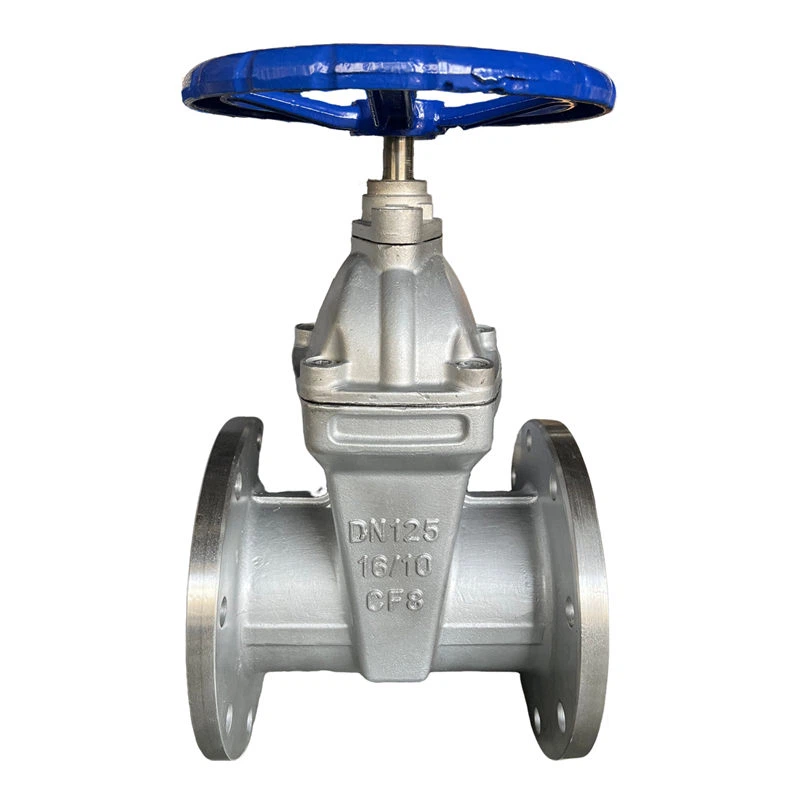
Non - rising valves are commonly used in various industries, including water treatment plants, oil and gas refineries, and chemical processing facilities. They are preferred for their ability to provide a tight seal, preventing leakage of fluids or gases. The Gate Valve Non Rising is a popular example of a non - rising valve, often used for on - off control of fluid flow.
Feasibility of Automating Non Rising Valves
The short answer is yes, a non - rising valve can be automated. Automation of non - rising valves offers several benefits, including increased efficiency, improved accuracy, and reduced labor costs. By automating the valve operation, operators can remotely control the opening and closing of the valve, which is especially useful in large - scale industrial plants where multiple valves need to be managed simultaneously.
One of the key factors in automating a non - rising valve is the selection of the appropriate actuator. Actuators are devices that convert energy into mechanical motion to operate the valve. There are several types of actuators available, including electric, pneumatic, and hydraulic actuators.
- Electric Actuators: Electric actuators are powered by electricity and are known for their precision and ease of control. They can be programmed to open or close the valve at specific intervals or in response to certain signals. Electric actuators are often used in applications where a high degree of accuracy is required, such as in chemical dosing systems.
- Pneumatic Actuators: Pneumatic actuators use compressed air to generate the force needed to operate the valve. They are relatively simple in design and are suitable for applications where a quick response is required. Pneumatic actuators are commonly used in industrial processes where compressed air is readily available, such as in manufacturing plants.
- Hydraulic Actuators: Hydraulic actuators use hydraulic fluid to generate force. They are capable of providing high - torque output and are often used in heavy - duty applications, such as in oil and gas pipelines. Hydraulic actuators are known for their reliability and durability, making them a popular choice for applications where continuous operation is required.
Challenges in Automating Non Rising Valves
While it is possible to automate non - rising valves, there are some challenges that need to be addressed. One of the main challenges is the compatibility between the valve and the actuator. The actuator must be able to provide the necessary torque to operate the valve, taking into account factors such as the valve size, pressure rating, and the friction between the gate and the stem.
Another challenge is the installation and maintenance of the automated system. Proper installation is crucial to ensure the reliable operation of the valve and the actuator. Additionally, regular maintenance is required to keep the system in good working condition. This includes checking for leaks, lubricating moving parts, and calibrating the actuator as needed.
Case Studies of Automated Non Rising Valves
To illustrate the practical application of automated non - rising valves, let's look at a few case studies.
In a water treatment plant, a non - rising gate valve was automated using an electric actuator. The automation system was integrated with the plant's control system, allowing operators to remotely monitor and control the valve. This not only improved the efficiency of the water treatment process but also reduced the risk of human error.
In an oil refinery, a non - rising valve was automated with a pneumatic actuator. The actuator was programmed to respond to changes in pressure and flow rate, ensuring the safe and efficient operation of the refinery. The automation of the valve also reduced the need for manual intervention, saving time and labor costs.
Considerations for Automating Non Rising Valves
When considering automating non - rising valves, there are several factors that need to be taken into account.
- Application Requirements: The specific requirements of the application, such as the type of fluid or gas being handled, the operating pressure and temperature, and the desired level of control, will determine the type of actuator and control system needed.
- Cost - Benefit Analysis: Automation can be a significant investment, so it's important to conduct a cost - benefit analysis to determine if the benefits of automation, such as increased efficiency and reduced labor costs, outweigh the initial investment.
- Compatibility with Existing Systems: If the non - rising valve is part of an existing system, the automated system must be compatible with the existing control system and other equipment.
Conclusion
In conclusion, a non - rising valve can be automated, and automation offers numerous benefits in terms of efficiency, accuracy, and cost - savings. However, it's important to carefully consider the selection of the actuator, the installation and maintenance of the system, and the specific requirements of the application.
If you are interested in automating your non - rising valves or are looking for high - quality non - rising valves for your industrial applications, we can provide you with the best solutions. Our team of experts can assist you in selecting the right valve and actuator combination and ensure a seamless installation. Contact us to discuss your specific needs and start enhancing the efficiency of your processes.
References
- Valve Handbook, International Society of Automation
- Industrial Valves: Theory and Practice, Butterworth - Heinemann


