


Can a PFA Butterfly Valve be Used for High - Pressure Applications?
As a supplier of PFA butterfly valves, I often encounter inquiries from customers regarding the suitability of these valves for high - pressure applications. This blog post aims to delve into this topic comprehensively, analyzing the characteristics of PFA butterfly valves and their performance under high - pressure conditions.
Understanding PFA Butterfly Valves
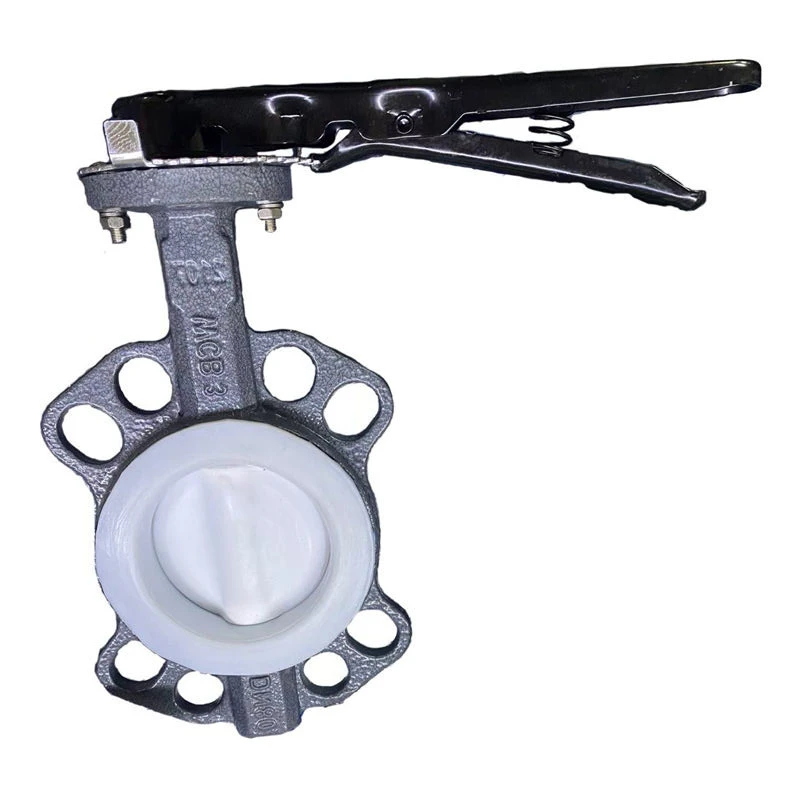
PFA, or Perfluoroalkoxy alkane, is a high - performance fluoropolymer known for its excellent chemical resistance, low friction coefficient, and wide temperature range tolerance. A PFA butterfly valve typically consists of a disc, a stem, and a body lined or seated with PFA. The disc rotates within the valve body to control the flow of fluid. There are two main types of PFA butterfly valves that we offer: PFA Lined Butterfly Valves and PFA Seated Butterfly Valve.
The PFA lining or seating provides a protective layer that shields the valve body from corrosive fluids, making these valves ideal for use in chemical processing, pharmaceutical, and food and beverage industries. The low friction of PFA also ensures smooth operation of the valve disc, reducing wear and tear and extending the valve's service life.
Factors Affecting the Use of PFA Butterfly Valves in High - Pressure Applications
Several factors need to be considered when determining whether a PFA butterfly valve can be used for high - pressure applications.
Material Strength
While PFA is a strong and durable material, its strength has limitations. Under high - pressure conditions, the valve components, especially the PFA lining or seating, may experience significant stress. If the pressure exceeds the material's yield strength, the PFA layer can deform, leading to leakage or even failure of the valve. The design of the valve body also plays a crucial role. A well - designed valve body can distribute the pressure evenly, reducing the stress on the PFA components.
Sealing Performance
The sealing performance of a PFA butterfly valve is critical in high - pressure applications. The valve must be able to maintain a tight seal to prevent fluid leakage. At high pressures, the sealing force between the valve disc and the seat needs to be sufficient to withstand the pressure differential. The flexibility of the PFA seat can help to achieve a better seal, but if the pressure is too high, the seat may be compressed beyond its elastic limit, resulting in permanent deformation and loss of sealing ability.
Temperature
High - pressure applications often generate heat, which can affect the performance of the PFA material. PFA has a relatively high continuous service temperature, but at elevated temperatures, its mechanical properties can change. For example, the material may become softer, reducing its strength and sealing performance. Therefore, the operating temperature in high - pressure applications must be within the allowable range of PFA to ensure the proper functioning of the valve.

Advantages of Using PFA Butterfly Valves in High - Pressure Applications
Despite the challenges mentioned above, there are also some advantages to using PFA butterfly valves in high - pressure applications.
Chemical Resistance
In many high - pressure processes, the fluids involved are highly corrosive. PFA's excellent chemical resistance makes it an ideal choice for such applications. The PFA lining or seating can protect the valve from corrosion, ensuring long - term reliability even in harsh chemical environments.
Lightweight and Compact Design
Compared to some other types of high - pressure valves, PFA butterfly valves are relatively lightweight and compact. This makes them easier to install and maintain, especially in space - restricted areas. The lower weight also reduces the load on the piping system, which can be beneficial in high - pressure applications where the piping needs to withstand significant forces.
Limitations and Mitigation Strategies
It is important to recognize the limitations of PFA butterfly valves in high - pressure applications and take appropriate mitigation strategies.
Pressure Rating
Most standard PFA butterfly valves are designed for relatively low to medium - pressure applications. To use these valves in high - pressure environments, it is necessary to select valves with a higher pressure rating. Our company offers a range of PFA butterfly valves with different pressure ratings, and we can work with customers to determine the most suitable valve for their specific application.
Reinforcement
To enhance the strength of the PFA components, reinforcement techniques can be used. For example, the PFA lining can be reinforced with a metal mesh or a composite material. This can increase the material's resistance to deformation under high pressure, improving the valve's performance and reliability.
Monitoring and Maintenance
Regular monitoring and maintenance are essential for ensuring the proper functioning of PFA butterfly valves in high - pressure applications. This includes checking the valve's sealing performance, inspecting the PFA components for signs of wear or damage, and adjusting the valve as needed. By detecting and addressing potential issues early, the risk of valve failure can be minimized.
Case Studies
Let's look at some real - world examples to illustrate the use of PFA butterfly valves in high - pressure applications.
In a chemical processing plant, a PFA lined butterfly valve was used to control the flow of a highly corrosive acid at a pressure of 100 psi. The valve was designed with a reinforced PFA lining to withstand the pressure and chemical attack. After several years of operation, the valve showed no signs of corrosion or leakage, demonstrating the effectiveness of using PFA butterfly valves in high - pressure and corrosive environments.
However, in another case, a PFA seated butterfly valve was installed in a high - pressure steam system. Due to the high temperature and pressure, the PFA seat became deformed, resulting in leakage. This case highlights the importance of considering all the factors, including temperature and pressure, when selecting a PFA butterfly valve for high - pressure applications.
Conclusion
In conclusion, while PFA butterfly valves have some limitations in high - pressure applications, they can be used effectively with proper design, material selection, and maintenance. The excellent chemical resistance and lightweight design of these valves make them a viable option for many high - pressure processes, especially those involving corrosive fluids.
As a PFA butterfly valve supplier, we have the expertise and experience to help our customers select the right valve for their high - pressure applications. We offer a wide range of PFA butterfly valves, including PFA Lined Butterfly Valves and PFA Seated Butterfly Valve, and can provide customized solutions based on specific requirements.
If you are considering using PFA butterfly valves in high - pressure applications, we encourage you to contact us for further discussion. Our team of experts will be happy to assist you in making the best choice for your project.
References
- Chemical Processing Handbook: Covers general information on chemical processes and valve requirements.
- PFA Material Data Sheets: Provide detailed properties of PFA material.
- Valve Design and Engineering Standards: Offer guidelines for valve design and performance in different applications.


