


As a PFA butterfly valve supplier, I often get asked whether our products can be used in the rubber industries. This question is not only relevant but also crucial for both the rubber manufacturers and those of us in the valve - supply business. In this blog, I'll delve into the technical aspects, advantages, and potential applications of PFA butterfly valves in the rubber industries.
Understanding PFA Butterfly Valves
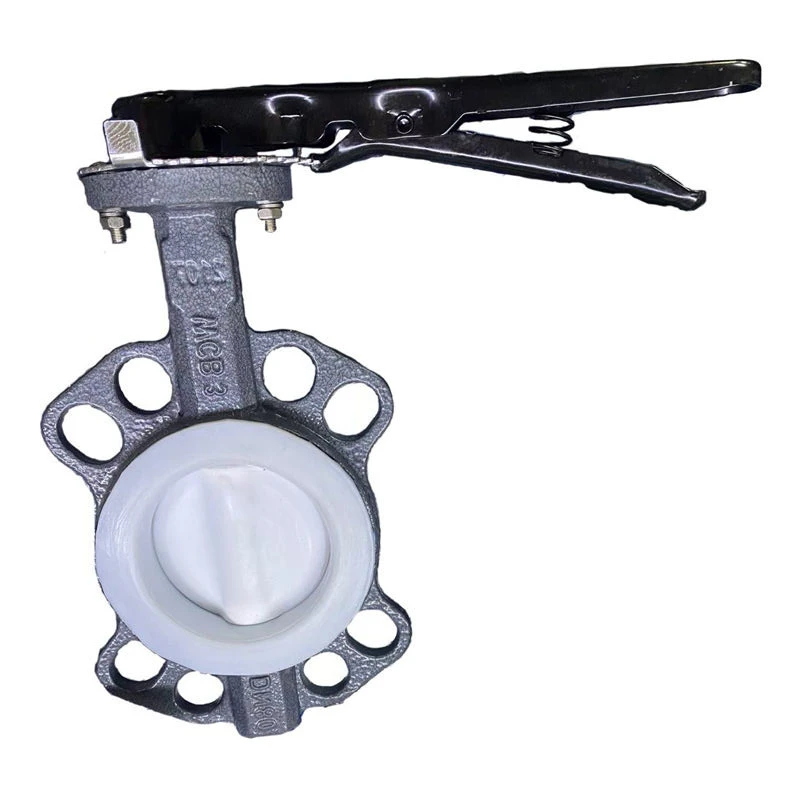
PFA, or Perfluoroalkoxy alkane, is a fluoropolymer known for its exceptional chemical resistance, high - temperature stability, and non - stick properties. A PFA butterfly valve is a type of quarter - turn valve that uses a disc to control the flow of fluid through a pipe. There are two main types of PFA butterfly valves that we offer: PFA Seated Butterfly Valve and PFA Lined Butterfly Valves.
The PFA seated butterfly valve has a seat made of PFA material. This seat provides a tight seal against the disc, ensuring minimal leakage. On the other hand, PFA lined butterfly valves have the internal surfaces of the valve body lined with PFA. This lining protects the valve body from corrosion and chemical attack, extending the valve's lifespan.
The Rubber Industries: A Complex Environment
The rubber industries involve a wide range of processes, from the production of raw rubber to the manufacturing of various rubber products such as tires, hoses, and seals. These processes often require the handling of chemicals, high - temperature fluids, and abrasive materials.
For example, in the rubber compounding process, chemicals like sulfur, accelerators, and antioxidants are mixed with raw rubber. These chemicals can be highly corrosive and reactive. Additionally, the vulcanization process, which gives rubber its elastic properties, is carried out at high temperatures. All these factors make the choice of valves in the rubber industries critical.
Compatibility of PFA Butterfly Valves with Rubber Industry Processes
Chemical Resistance
One of the most significant advantages of PFA butterfly valves in the rubber industries is their excellent chemical resistance. The PFA material can withstand a wide range of chemicals commonly used in rubber production, including acids, alkalis, and solvents. This means that the valves will not corrode or degrade when in contact with these chemicals, ensuring a long service life and reliable performance.
For instance, sulfuric acid is sometimes used in the rubber reclaiming process. PFA is highly resistant to sulfuric acid, making PFA butterfly valves a suitable choice for controlling the flow of this corrosive substance.
Temperature Resistance
The rubber manufacturing processes often involve high - temperature operations. Vulcanization, for example, typically takes place at temperatures ranging from 120°C to 200°C. PFA has a high melting point and can maintain its mechanical properties at elevated temperatures.
PFA butterfly valves can operate effectively in these high - temperature environments without deforming or losing their sealing capabilities. This is crucial for ensuring the proper control of fluid flow during the vulcanization process and other heat - intensive operations.
Abrasion Resistance
Some rubber production processes involve the handling of abrasive materials, such as carbon black, which is used as a reinforcing filler in rubber compounds. PFA has a relatively smooth surface, which reduces the adhesion of abrasive particles. This helps to minimize wear and tear on the valve components, especially the disc and the seat.
As a result, PFA butterfly valves can withstand the abrasive forces in the rubber industries, providing a more durable solution compared to other types of valves.
Applications of PFA Butterfly Valves in the Rubber Industries
Chemical Dosing Systems
In rubber production, precise dosing of chemicals is essential for achieving the desired properties of the rubber products. PFA butterfly valves can be used in chemical dosing systems to control the flow of chemicals accurately. Their tight sealing and precise flow control capabilities ensure that the right amount of chemicals is added at the right time.
Cooling Water Systems
Cooling is an important part of the rubber manufacturing process, especially after high - temperature operations like vulcanization. PFA butterfly valves can be used in cooling water systems to regulate the flow of water. Their corrosion resistance ensures that the valves will not contaminate the cooling water or fail due to rust or chemical attack.
Waste Management Systems
The rubber industries generate a significant amount of waste, including chemical waste and wastewater. PFA butterfly valves can be used in waste management systems to control the flow of these waste materials. Their chemical resistance and durability make them suitable for handling the corrosive and abrasive waste generated in the rubber production processes.
Considerations for Using PFA Butterfly Valves in the Rubber Industries
Cost
PFA butterfly valves are generally more expensive than traditional valves made of materials like cast iron or carbon steel. However, when considering the long - term benefits, such as reduced maintenance costs, longer service life, and improved process reliability, the higher initial investment can be justified.
Installation and Maintenance
Proper installation and maintenance are crucial for the optimal performance of PFA butterfly valves. During installation, care must be taken to ensure that the valve is correctly aligned and tightened to prevent leakage. Regular maintenance, including inspection of the valve components and replacement of worn - out parts, is also necessary to keep the valve in good working condition.

Conclusion
In conclusion, PFA butterfly valves can indeed be used in the rubber industries. Their chemical resistance, temperature resistance, and abrasion resistance make them well - suited for the complex and demanding environment of rubber production. Whether it's for chemical dosing, cooling water systems, or waste management, PFA butterfly valves offer a reliable and durable solution.
If you're in the rubber industries and are looking for high - quality PFA butterfly valves, I encourage you to reach out for a detailed discussion about your specific requirements. Our team of experts can provide you with the right valve solutions to meet your needs and enhance the efficiency of your rubber manufacturing processes.
References
- "Handbook of Rubber Technology" by Allan T. Torkelson
- "Fluoropolymers: Synthesis, Properties, and Applications" by L. A. Wall


