


Hey there! As a supplier of CS Wafer Check Valves, I've had my fair share of experiences and insights into how these valves interact with other components in a pipeline system. In this blog, I'm gonna break it down for you in a way that's easy to understand.
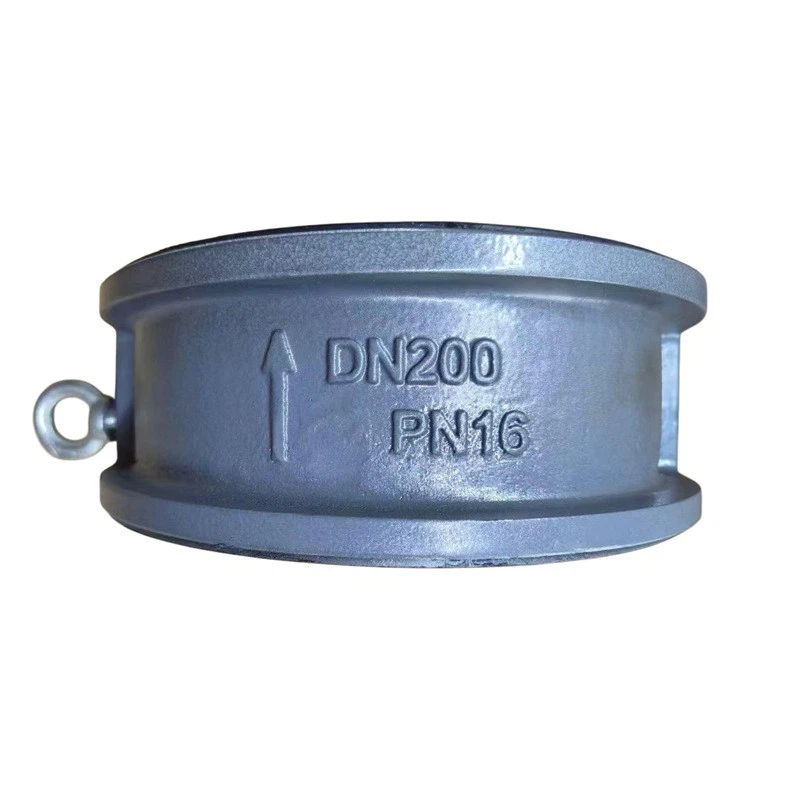
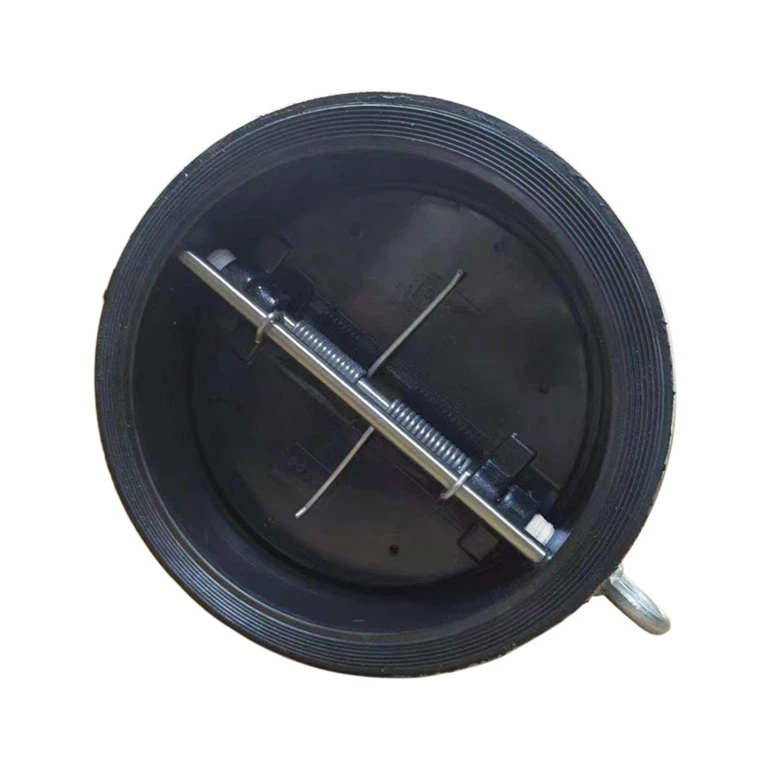
First off, let's talk a bit about what a CS Wafer Check Valve is. It's a type of valve that allows fluid to flow in one direction only. The "CS" stands for carbon steel, which is a popular material for these valves because of its strength and durability. The wafer design means it's thin and can be easily installed between two flanges in a pipeline.
Now, let's dive into how it interacts with other pipeline components.
Interaction with Pumps
Pumps are like the heart of a pipeline system, pushing fluid through the pipes. A CS Wafer Check Valve works hand - in - hand with pumps. When the pump is operating, it creates pressure that forces the fluid to flow in a specific direction. The check valve opens up easily to let the fluid pass through. It's designed to have a low cracking pressure, which means it doesn't need a huge amount of pressure from the pump to open.
But here's the really cool part. When the pump shuts off, the flow of fluid stops, and the pressure in the pipeline starts to drop. The CS Wafer Check Valve immediately closes. This prevents the fluid from flowing back towards the pump. If the fluid were to flow back, it could damage the pump, cause water hammer (a sudden pressure surge), and mess up the whole system. So, you can think of the check valve as a protective shield for the pump.
Interaction with Filters
Filters are used to remove impurities from the fluid in the pipeline. A CS Wafer Check Valve and filters are often installed close to each other. The check valve helps maintain the proper flow direction through the filter. When the fluid is flowing forward, the check valve allows it to pass through to the filter.
After the fluid has been filtered, the check valve ensures that the clean fluid continues to move in the right direction. It also prevents any backflow that could potentially re - contaminate the filtered fluid. For example, if there's a sudden pressure drop downstream, the check valve closes, keeping the clean fluid in the correct part of the system.
Interaction with Control Valves
Control valves are used to regulate the flow rate, pressure, and temperature of the fluid in the pipeline. The CS Wafer Check Valve and control valves complement each other. The check valve takes care of the one - way flow, while the control valve adjusts the flow characteristics.
When the control valve opens to increase the flow rate, the check valve simply stays open to let the increased volume of fluid pass. When the control valve closes to reduce the flow, the check valve remains in its normal state as long as the flow is in the correct direction. If there's a risk of backflow due to the control valve's operation, the check valve quickly closes to protect the system.
Types of CS Wafer Check Valves and Their Component Interactions
There are different types of CS Wafer Check Valves, and each interacts with other components in a slightly different way.
The Ductile Iron Body and Disc Wafer Type Check Valve is known for its strength and corrosion resistance. It can handle high - pressure applications. When it comes to interacting with other components, it can withstand the high pressures generated by powerful pumps. It also works well with large - scale filters and control valves in industrial pipeline systems.
The Carbon Steel Fully Lined EPDM Wafer Check Valve has an EPDM lining that provides excellent chemical resistance. This makes it suitable for pipelines carrying corrosive fluids. When used with pumps, it can protect the pump from the corrosive effects of the fluid. With filters, it ensures that the corrosive fluid is properly filtered and doesn't cause damage to other components in the system.
The Stainless Steel Hard - Seal Wafer Check Valve is great for high - temperature applications. It can maintain a tight seal even at high temperatures. In a pipeline system with components that generate a lot of heat, like some types of heaters or boilers, this valve can prevent backflow and keep the system running smoothly.
Installation Considerations for Optimal Interaction
To make sure the CS Wafer Check Valve interacts well with other components, proper installation is crucial. It should be installed in the correct orientation. The arrow on the valve body indicates the direction of flow, and it must match the intended flow direction in the pipeline.
The valve should also be installed close to the component it's protecting. For example, if it's protecting a pump, it should be installed as close to the pump outlet as possible. This reduces the length of the pipe where backflow could occur.
When installing the valve between flanges, make sure the gaskets are properly seated. A loose or damaged gasket can cause leaks, which can affect the performance of the valve and the whole pipeline system.
Maintenance for Continued Interaction
Regular maintenance is essential for the CS Wafer Check Valve to keep interacting effectively with other components. You should check the valve for any signs of wear and tear, like damaged seals or a stuck disc. If the valve is not closing properly, it could lead to backflow and damage other components.
Cleaning the valve periodically can also prevent the build - up of debris, which can affect its operation. For valves in pipelines carrying dirty fluids, more frequent cleaning may be necessary.
Conclusion
In conclusion, a CS Wafer Check Valve is an essential component in a pipeline system. It plays a vital role in protecting pumps, ensuring proper flow through filters, and working in harmony with control valves. By understanding how it interacts with other components, you can design and maintain a more efficient and reliable pipeline system.
If you're in the market for a CS Wafer Check Valve or have any questions about how it can fit into your pipeline system, don't hesitate to reach out. We're here to help you make the best choice for your needs. Whether it's the Ductile Iron Body and Disc Wafer Type Check Valve, Carbon Steel Fully Lined EPDM Wafer Check Valve, or Stainless Steel Hard - Seal Wafer Check Valve, we've got you covered. Let's have a chat about your requirements and find the perfect solution for your pipeline system.
References
- Crane Technical Paper No. 410, Fluid Flow through Valves, Fittings and Pipe.
- ASME B16.34, Valves - Flanged, Threaded, and Welding End.


