


The valve seat is a critical component in a one-piece ball valve, and its material selection can significantly impact the valve's performance. As a supplier of one-piece ball valves, I have witnessed firsthand how different valve seat materials can affect the functionality, durability, and overall efficiency of these valves. In this blog post, I will delve into the various ways in which valve seat material influences the performance of a one-piece ball valve.
Sealing Performance
One of the primary functions of the valve seat in a one-piece ball valve is to provide a tight seal when the valve is closed. The material of the valve seat plays a crucial role in determining the quality of this seal. Soft seat materials, such as PTFE (Polytetrafluoroethylene) and NBR (Nitrile Butadiene Rubber), are known for their excellent sealing properties. PTFE, in particular, has a low coefficient of friction and is highly resistant to chemicals, making it an ideal choice for applications where a hermetic seal is required. It can effectively prevent leakage even under high pressures and temperatures, ensuring the integrity of the pipeline system.
On the other hand, hard seat materials like stainless steel and ceramic offer a different set of advantages. While they may not provide the same level of sealing as soft seat materials in some cases, they are more resistant to wear and erosion. This makes them suitable for applications where the valve is exposed to abrasive media or high-velocity flow. For example, in the oil and gas industry, where the valves are often used to control the flow of crude oil and gas containing solid particles, hard seat valves can maintain their sealing performance over a longer period.
Chemical Resistance
The chemical resistance of the valve seat material is another important factor to consider. Different industries use a wide range of chemicals, and the valve seat must be able to withstand the corrosive effects of these substances. PTFE is renowned for its exceptional chemical resistance. It can resist a variety of acids, alkalis, and organic solvents, making it a popular choice for chemical processing plants. For instance, in a pharmaceutical manufacturing facility, where valves are used to control the flow of various chemicals during the production process, PTFE valve seats can ensure the safety and reliability of the system.
NBR, on the other hand, has good resistance to oils and fuels. It is commonly used in automotive and petroleum applications. However, it may not be suitable for applications involving strong oxidizing agents or certain chemicals. Stainless steel valve seats offer moderate chemical resistance and are often used in applications where a balance between corrosion resistance and mechanical strength is required. They can withstand the corrosive effects of many common chemicals, but they may not be suitable for highly corrosive environments without additional surface treatments.
Temperature Resistance
The operating temperature of the pipeline system also influences the choice of valve seat material. Soft seat materials generally have a lower temperature resistance compared to hard seat materials. PTFE, for example, has a maximum continuous operating temperature of around 260°C. Beyond this temperature, the material may start to degrade, losing its sealing properties. NBR has an even lower temperature limit, typically around 120°C.
Hard seat materials like stainless steel and ceramic can withstand much higher temperatures. Stainless steel valve seats can operate at temperatures up to 600°C or even higher, depending on the specific grade of stainless steel used. Ceramic valve seats have an even higher temperature resistance and can be used in applications where the temperature exceeds 1000°C. This makes them suitable for high-temperature processes such as power generation and metal smelting.
Wear and Erosion Resistance
In applications where the valve is exposed to abrasive media or high-velocity flow, wear and erosion resistance of the valve seat material are crucial. Soft seat materials are generally more susceptible to wear and erosion compared to hard seat materials. PTFE, although it has a low coefficient of friction, can be easily damaged by abrasive particles in the fluid. NBR is also relatively soft and can wear out quickly under harsh conditions.
Hard seat materials, such as stainless steel and ceramic, offer superior wear and erosion resistance. Stainless steel valve seats can withstand the impact of solid particles in the fluid and maintain their shape and integrity over a long period. Ceramic valve seats are even more resistant to wear and erosion due to their high hardness and strength. They are often used in applications where the valve is subjected to severe abrasive conditions, such as in mining and mineral processing industries.
Cost Considerations
Cost is always an important factor in any engineering decision. Soft seat materials like PTFE and NBR are generally less expensive than hard seat materials like stainless steel and ceramic. This makes them a more cost-effective choice for applications where the performance requirements are not extremely high. However, it is important to consider the long-term costs as well. Soft seat valves may require more frequent replacement due to wear and degradation, which can increase the overall cost of ownership.
Hard seat valves, although more expensive upfront, can offer a longer service life and require less maintenance. In applications where the valve is critical to the operation of the system and downtime is costly, the higher initial investment in hard seat valves may be justified.
Comparison with Other Types of Ball Valves
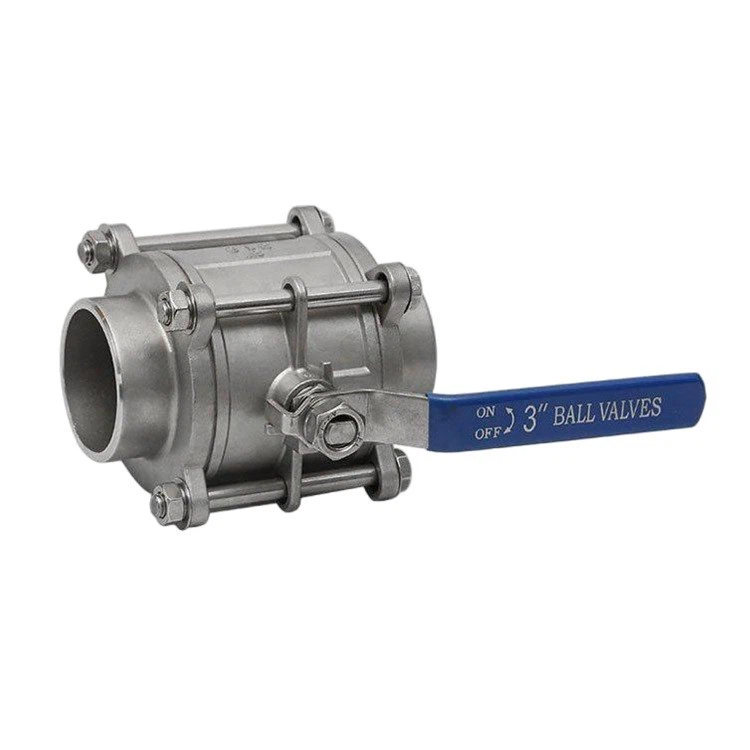
When discussing one-piece ball valves, it is also interesting to compare them with Three-piece Ball Valve and Two-piece Ball Valve. One-piece ball valves are generally more compact and have a simpler design compared to three-piece and two-piece ball valves. This makes them more suitable for applications where space is limited.
In terms of valve seat performance, the same principles apply to all types of ball valves. However, the design of three-piece and two-piece ball valves allows for easier maintenance and replacement of the valve seat. In a one-piece ball valve, the valve seat is usually integral to the valve body, which can make replacement more difficult. On the other hand, One Piece Copper Ball Valve offers good corrosion resistance and is commonly used in plumbing applications.
Conclusion
In conclusion, the valve seat material has a profound impact on the performance of a one-piece ball valve. The choice of material depends on various factors, including sealing requirements, chemical resistance, temperature resistance, wear and erosion resistance, and cost considerations. As a supplier of one-piece ball valves, I understand the importance of selecting the right valve seat material for each application. By providing high-quality valves with the appropriate valve seat materials, we can ensure the reliability and efficiency of our customers' pipeline systems.
If you are in the market for one-piece ball valves or have any questions about valve seat materials, please feel free to contact us for further discussion. Our team of experts is ready to assist you in selecting the best valve solution for your specific needs.

References
- Valve Handbook, 4th Edition, by Dietrich Netzer
- Fluid Mechanics and Thermodynamics of Turbomachinery, 4th Edition, by S. L. Dixon
- Chemical Engineering Handbook, 7th Edition, by Perry and Green


