


Hey there! As a ball valve supplier, I've seen firsthand how important it is to know how to control an electric ball valve. These valves are super handy in a bunch of industries, from water treatment to oil and gas. So, let's dive into the nitty - gritty of controlling these little powerhouses.
First off, what exactly is an electric ball valve? Well, it's a type of valve that uses a ball with a hole in it to control the flow of fluid. When the ball is turned so that the hole aligns with the flow path, the fluid can pass through. When it's turned 90 degrees, the ball blocks the flow. The electric part means that instead of manually turning the valve, you can use an electric actuator to do the job.
Understanding the Electric Actuator
The electric actuator is the key to controlling an electric ball valve. It's the device that actually moves the ball inside the valve. There are two main types of electric actuators: on - off and modulating.
On - off actuators are pretty straightforward. They either fully open or fully close the valve. These are great for applications where you just need to start or stop the flow, like in a simple water supply system. For example, if you're filling a tank, you can use an on - off electric ball valve to start the flow when the tank is empty and stop it when it's full.
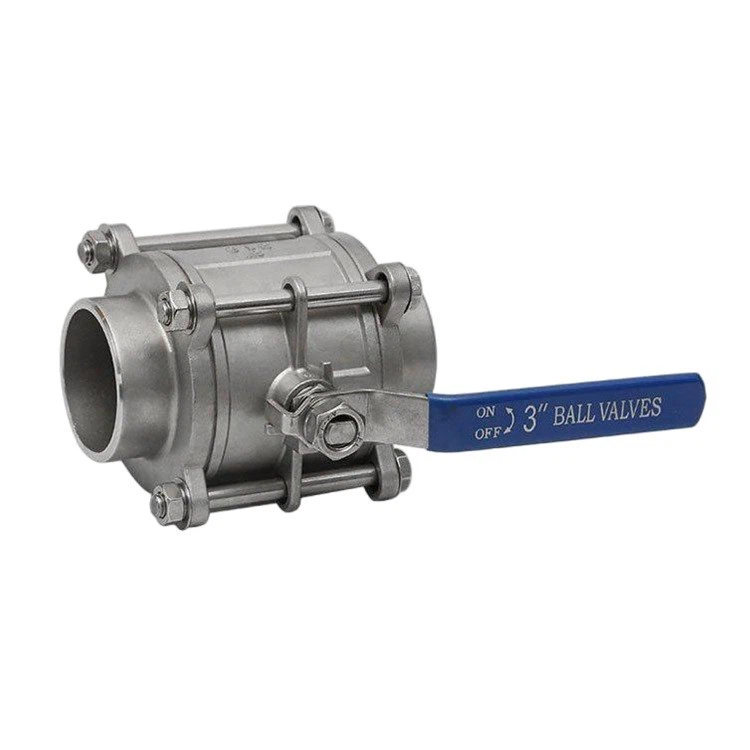

Modulating actuators, on the other hand, can position the valve at any point between fully open and fully closed. This allows for precise control of the flow rate. They're commonly used in processes where you need to maintain a specific flow rate, like in a chemical mixing system. You can adjust the position of the valve to ensure that the right amount of each chemical is being added.
Installation and Wiring
Before you can start controlling an electric ball valve, you need to install it properly. First, make sure you choose the right type of ball valve for your application. We offer a variety of options, including One - piece Ball Valve, Two - piece Ball Valve, and Three - piece Ball Valve. Each type has its own advantages, so pick the one that suits your needs best.
When installing the valve, ensure that it's properly aligned with the pipeline. Make sure all the connections are tight to prevent any leaks. Once the valve is installed, it's time to wire the electric actuator.
The wiring process can vary depending on the type of actuator and the control system you're using. In general, you'll need to connect the power supply to the actuator. Most actuators work with either AC or DC power, so check the specifications to make sure you're using the right type. You'll also need to connect the control signals. These signals tell the actuator when to open, close, or adjust the valve position.
Control Systems
There are several ways to control an electric ball valve, and it often depends on the complexity of your application.
Manual Control
The simplest way is manual control. Many electric actuators come with a manual override feature. This means you can use a handwheel or a lever to open or close the valve manually, just in case there's a power failure or if you need to make a quick adjustment. It's a handy backup option.
Remote Control
For more convenience, you can use remote control. There are different types of remote control systems available. Some use a simple switch, which you can install in a control panel. When you flip the switch, it sends a signal to the actuator to open or close the valve.
Another option is to use a wireless remote control. This is great if you need to control the valve from a distance. You can operate the valve from anywhere within the range of the remote control, which is usually several meters or more.
Automated Control
In industrial applications, automated control is often the way to go. You can use a Programmable Logic Controller (PLC) or a Distributed Control System (DCS) to control the valve. These systems can be programmed to open or close the valve based on certain conditions, like the level of a tank, the pressure in a pipeline, or the temperature of a fluid.
For example, let's say you have a tank with a level sensor. You can program the PLC to open the valve when the tank level drops below a certain point and close it when the tank is full. This way, you don't have to monitor the tank constantly.
Troubleshooting
Even the best - designed electric ball valves can sometimes run into problems. Here are some common issues and how to fix them.
If the valve isn't opening or closing properly, the first thing to check is the power supply. Make sure the actuator is getting enough power. Check the wiring for any loose connections or damaged wires. If the power supply is okay, the problem could be with the actuator itself. You might need to check the motor or the gears inside the actuator.
If you're getting a leak from the valve, it could be due to a damaged seal. Check the seals around the ball and the valve body. If they're worn out, you'll need to replace them. Sometimes, a leak can also be caused by improper installation, so make sure all the connections are tight.
Why Choose Our Ball Valves
As a ball valve supplier, we take pride in offering high - quality products. Our ball valves are made from durable materials, so they can withstand harsh environments and high pressures. We also have a wide range of sizes and configurations to meet your specific needs.
Whether you're looking for a simple on - off valve or a modulating valve for precise control, we've got you covered. Our electric actuators are reliable and easy to operate, ensuring smooth and efficient control of your ball valves.
If you're in the market for ball valves or need more information on how to control them, don't hesitate to reach out. We're here to help you find the best solution for your application. Contact us today to start a discussion about your requirements and let's work together to get your system up and running smoothly.
References
- "Valve Handbook" by Clark/Lean.
- Various industry technical documents on electric ball valve operation and control.


