


Maintaining a PFA butterfly valve is crucial for ensuring its optimal performance and longevity. As a trusted PFA butterfly valve supplier, I understand the importance of proper maintenance and am here to share valuable insights on how to keep these valves in top - notch condition.
Understanding PFA Butterfly Valves
Before delving into maintenance, it's essential to understand what PFA butterfly valves are. PFA, or perfluoroalkoxy alkane, is a high - performance fluoropolymer known for its excellent chemical resistance, non - stick properties, and high - temperature tolerance. PFA Lined Butterfly Valves and PFA Seated Butterfly Valve are designed to control the flow of various fluids, especially those that are corrosive or aggressive. These valves consist of a disc that rotates around an axis within the valve body to regulate the flow.
Regular Inspection
The first step in maintaining a PFA butterfly valve is regular inspection. Visual inspections should be carried out at scheduled intervals to check for any signs of damage, wear, or leakage. Look for cracks, scratches, or deformities on the valve body, disc, and stem. Pay close attention to the PFA lining or seating, as any damage to these components can compromise the valve's performance and chemical resistance.
Inspect the valve's seals and gaskets. Over time, seals can deteriorate due to exposure to chemicals, high temperatures, or mechanical stress. Check for signs of swelling, shrinking, or hardening. If any of these issues are detected, the seals should be replaced promptly to prevent leakage.
Cleaning
Cleaning is an important part of PFA butterfly valve maintenance. Over time, dirt, debris, and chemical deposits can accumulate inside the valve, affecting its operation. Use a suitable cleaning agent that is compatible with PFA. Mild detergents or cleaning solutions specifically formulated for fluoropolymers are often recommended.

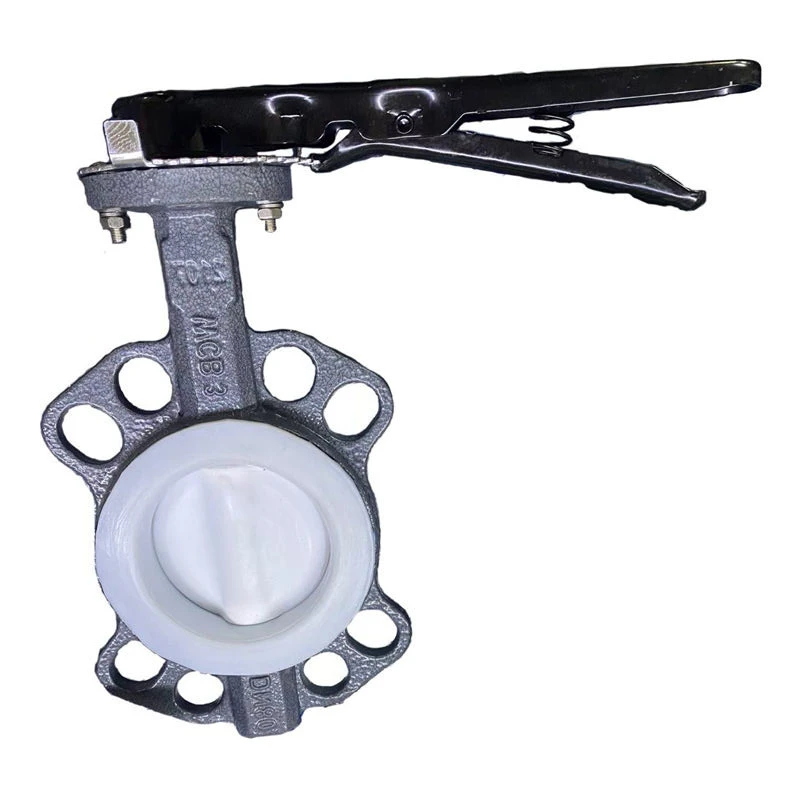
Before cleaning, make sure to isolate the valve from the system and depressurize it. Remove the valve from the pipeline if necessary. Gently clean the valve body, disc, and other components using a soft brush or cloth. Avoid using abrasive materials that could scratch the PFA surface. Rinse the valve thoroughly with clean water and allow it to dry completely before reinstalling.
Lubrication
Proper lubrication is essential for the smooth operation of the valve's moving parts. Lubricate the valve stem and bearings with a lubricant that is compatible with PFA. Silicone - based lubricants are often a good choice as they have excellent chemical resistance and can withstand a wide range of temperatures.
Apply the lubricant sparingly to avoid over - lubrication, which can attract dirt and debris. Follow the manufacturer's recommendations regarding the type and amount of lubricant to use. Regularly check the lubrication levels and re - apply as needed.
Torque Check
Periodically check the torque of the valve's bolts and nuts. During operation, vibrations and mechanical stress can cause the bolts to loosen, which can lead to leakage or improper valve operation. Use a torque wrench to ensure that the bolts are tightened to the manufacturer's specified torque values.
When tightening the bolts, follow a proper sequence to ensure even distribution of the clamping force. Over - tightening the bolts can damage the valve body or the PFA lining, while under - tightening can result in leakage.
Handling and Storage
Proper handling and storage of PFA butterfly valves are also important aspects of maintenance. When handling the valves, avoid dropping or subjecting them to excessive impact, as this can cause damage to the PFA components. Use appropriate lifting equipment and ensure that the valve is properly supported during installation and removal.
If the valves need to be stored for an extended period, store them in a clean, dry, and temperature - controlled environment. Protect the valves from direct sunlight, extreme temperatures, and exposure to chemicals. Cover the valves to prevent dust and debris from accumulating on them.
Training and Documentation
It's important to train the personnel responsible for operating and maintaining the PFA butterfly valves. Provide them with comprehensive training on the valve's operation, maintenance procedures, and safety precautions. Ensure that they are familiar with the valve's technical specifications and the proper use of tools and equipment.
Keep detailed documentation of all maintenance activities, including inspection results, cleaning schedules, lubrication records, and any repairs or replacements. This documentation can help track the valve's maintenance history, identify potential issues, and ensure that maintenance tasks are performed in a timely manner.
Monitoring and Performance Evaluation
Regularly monitor the performance of the PFA butterfly valves. Check for changes in flow rate, pressure drop, or valve response time. Any significant changes in these parameters could indicate a problem with the valve. Use flow meters, pressure gauges, and other monitoring devices to collect data on the valve's performance.
Compare the monitored data with the valve's design specifications and historical performance data. If any deviations are detected, investigate the cause and take appropriate corrective actions. This could involve further inspection, cleaning, or replacement of components.
When to Replace Components
Despite proper maintenance, some components of the PFA butterfly valve may need to be replaced over time. The PFA lining or seating is one of the critical components that may require replacement. If the lining or seating is damaged beyond repair or has worn down to a point where it no longer provides adequate sealing, it should be replaced.
The valve's seals and gaskets also have a limited lifespan and should be replaced at regular intervals. Follow the manufacturer's recommendations regarding the replacement schedule for these components.
In some cases, the entire valve may need to be replaced if it has suffered severe damage or if it can no longer meet the system's requirements. As a PFA butterfly valve supplier, I can provide guidance on when replacement is necessary and offer suitable replacement options.
Contact for Procurement and Further Assistance
If you are in need of PFA butterfly valves or have any questions regarding their maintenance, installation, or operation, I am here to help. Our company offers a wide range of high - quality PFA Lined Butterfly Valves and PFA Seated Butterfly Valve to meet your specific needs. We are committed to providing excellent customer service and technical support.
Whether you are looking to purchase new valves, need replacement parts, or require advice on valve maintenance, please feel free to contact us. Our team of experts is ready to assist you in making the right decisions for your fluid control applications.
References
- Manufacturer's technical manuals for PFA butterfly valves
- Industry standards and guidelines for valve maintenance
- Technical literature on fluoropolymers and their applications in valve manufacturing


