


Hey there! As a supplier of Two - piece Ball Valves, I often get asked about how to select the right one based on pressure ratings. It's a crucial aspect, and getting it wrong can lead to all sorts of problems in your system. So, let's dive right in and break it down.
First off, let's understand what pressure ratings mean. The pressure rating of a ball valve indicates the maximum pressure that the valve can handle safely without any risk of failure. This is super important because if you install a valve with a lower pressure rating than what your system requires, it could lead to leaks, or even worse, a catastrophic failure.

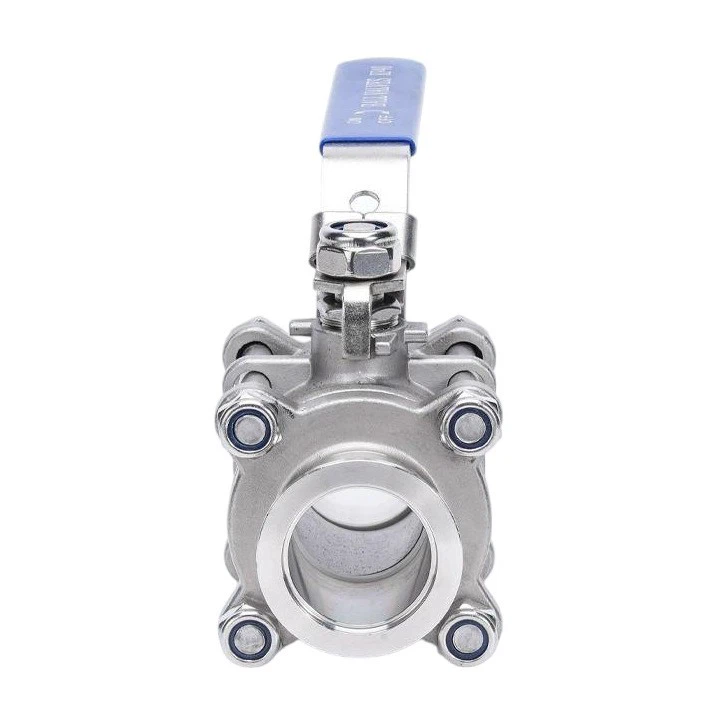
When you're looking at pressure ratings, there are a few key factors you need to consider. The first one is the working pressure of your system. This is the normal, day - to - day pressure that the valve will be exposed to. You need to make sure that the valve's pressure rating is higher than this working pressure. For example, if your system typically operates at 100 psi (pounds per square inch), you should look for a valve with a pressure rating of at least 150 psi to give you some margin of safety.
Another important factor is the surge pressure. Surge pressure is a temporary increase in pressure that can occur in a system, usually due to things like sudden valve closures or pump starts and stops. These surges can be significantly higher than the normal working pressure, sometimes double or even triple it. So, you need to account for these surges when selecting a valve. If your system is prone to high surge pressures, you'll want to choose a valve with a much higher pressure rating.
Now, let's talk about the different types of ball valves and how their pressure ratings can vary. There are One - piece Ball Valve, Two - piece Ball Valve, and Three - piece Ball Valve. As a supplier of Two - piece Ball Valves, I can tell you that they offer a great balance between cost, performance, and ease of maintenance.
Two - piece Ball Valves are made up of two main parts, which are bolted or threaded together. This design allows for relatively easy disassembly for maintenance or repair. In terms of pressure ratings, Two - piece Ball Valves can handle a wide range of pressures, from low - pressure applications like residential plumbing to high - pressure industrial systems.
When it comes to choosing the right pressure rating for a Two - piece Ball Valve, you also need to consider the material of the valve. Different materials have different pressure - handling capabilities. For example, valves made of stainless steel are generally more robust and can handle higher pressures compared to those made of brass. Stainless steel is also more resistant to corrosion, which is important if your system is handling corrosive fluids.
You should also take into account the temperature of the fluid flowing through the valve. High temperatures can reduce the pressure - handling capacity of a valve. So, if your system operates at high temperatures, you may need to choose a valve with a higher pressure rating to compensate for the temperature effect.
Let's take a look at some common pressure ratings for Two - piece Ball Valves. You'll often see valves rated at 150 psi, 300 psi, 600 psi, and even higher. For low - pressure applications like a small water line in a home, a 150 - psi valve might be sufficient. But for industrial applications such as oil and gas pipelines, you'll likely need a valve with a much higher pressure rating, like 600 psi or more.
Here's a step - by - step guide on how to select the right Two - piece Ball Valve based on pressure ratings:
- Determine the working pressure of your system. This is the average pressure that the valve will experience during normal operation.
- Calculate the surge pressure. Consider any factors in your system that could cause sudden pressure increases, such as rapid valve closures or pump operations.
- Account for the temperature of the fluid. If the temperature is high, you may need to increase the pressure rating of the valve.
- Consider the material of the valve. Choose a material that can handle the pressure and is compatible with the fluid in your system.
- Select a valve with a pressure rating that is higher than the maximum expected pressure in your system, including surges.
As a supplier of Two - piece Ball Valves, I can offer you a wide range of options with different pressure ratings to meet your specific needs. Whether you're working on a small DIY project or a large - scale industrial installation, we have the right valve for you.
If you're still not sure which Two - piece Ball Valve is right for your application based on pressure ratings, don't hesitate to reach out. Our team of experts is always ready to help you make the right choice. We can provide you with detailed information about our products and assist you in selecting the valve that will work best in your system.
In conclusion, selecting the right Two - piece Ball Valve based on pressure ratings is crucial for the safe and efficient operation of your system. By considering factors like working pressure, surge pressure, temperature, and material, you can make an informed decision. And if you're in the market for a high - quality Two - piece Ball Valve, we're here to help. Contact us today to start the procurement process and let's get your system up and running smoothly.
References
- Valve Handbook: A Guide to Valve Selection and Application
- Industrial Piping Design and Installation Manual


