


Selecting the right gasket for a non - rising valve is a critical decision that can significantly impact the performance, safety, and longevity of the valve system. As a supplier of Non Rising Valve, I understand the importance of this process and am here to guide you through the key considerations.
Understanding Non - Rising Valves
Before delving into gasket selection, it's essential to have a clear understanding of non - rising valves. A Gate Valve Non Rising is a type of valve where the stem does not move vertically as the valve is opened or closed. Instead, the gate moves up and down within the valve body. These valves are commonly used in applications where space is limited, such as underground pipelines or in areas where a protruding stem could pose a hazard.

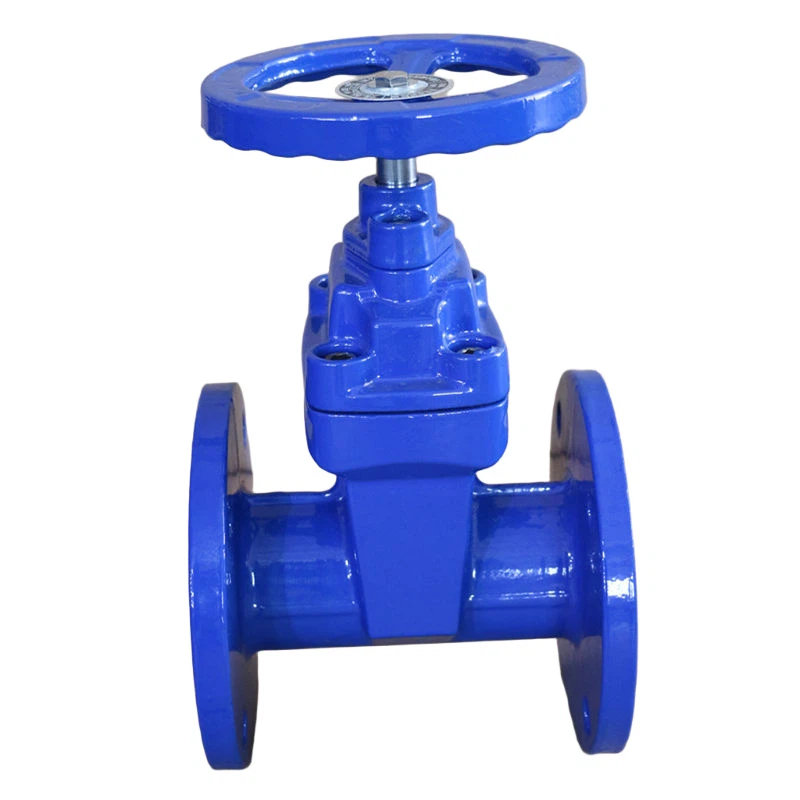
Non - rising valves are designed to control the flow of various fluids, including water, oil, gas, and chemicals. They offer excellent shut - off capabilities and are often used in systems that require a tight seal to prevent leakage. However, the effectiveness of the valve's seal depends largely on the quality and suitability of the gasket used.
Key Factors in Gasket Selection
1. Fluid Compatibility
The first and most crucial factor in gasket selection is fluid compatibility. The gasket must be able to withstand the chemical properties of the fluid flowing through the valve without deteriorating or reacting. Different fluids have different levels of corrosiveness, acidity, and alkalinity, which can affect the gasket material.
For example, if the valve is used in a water - based system, a rubber or elastomeric gasket may be suitable. Natural rubber, neoprene, and EPDM are commonly used for water applications due to their good resistance to water and moderate chemicals. However, if the fluid contains aggressive chemicals such as acids or solvents, a more chemically resistant material like PTFE (polytetrafluoroethylene) or graphite may be required.
2. Temperature and Pressure Ratings
The operating temperature and pressure of the valve system are also important considerations. Gaskets have specific temperature and pressure ratings, and using a gasket that is not rated for the system's conditions can lead to gasket failure.
High - temperature applications require gaskets made from materials that can withstand extreme heat without losing their sealing properties. Graphite gaskets are known for their excellent high - temperature resistance and are often used in steam systems or industrial processes where temperatures can reach several hundred degrees Celsius. On the other hand, low - temperature applications may require gaskets made from materials that remain flexible and resilient at cold temperatures, such as certain types of rubber.
Similarly, the pressure rating of the gasket must match the system's operating pressure. A gasket that is rated too low for the pressure can blow out, causing leakage and potentially dangerous situations. It's important to consult the valve manufacturer's specifications and the gasket supplier's data sheets to ensure the gasket can handle the system's pressure.
3. Valve Design and Flange Type
The design of the non - rising valve and the type of flange used also play a role in gasket selection. Different valve designs may require different gasket shapes and sizes. For example, some valves have flat - faced flanges, while others have raised - face flanges. The gasket must be designed to fit the specific flange type to ensure a proper seal.
In addition, the valve's design may affect the gasket's installation and compression. Some valves may require a gasket with a specific thickness or compressibility to achieve the desired seal. It's important to work closely with the valve manufacturer to understand the valve's design requirements and select a gasket that is compatible.
4. Sealability Requirements
The level of sealability required for the valve system depends on the application. In some cases, a minor amount of leakage may be acceptable, while in others, a zero - leakage seal is essential. For applications where leakage can cause environmental damage, safety hazards, or product loss, a high - performance gasket with excellent sealability is necessary.
Metal - jacketed gaskets and spiral - wound gaskets are often used in applications that require a high level of sealability. These gaskets are designed to provide a tight seal even under high pressures and temperatures. They are also more resistant to vibration and movement, which can help maintain the seal over time.
5. Cost - Effectiveness
While quality and performance are important, cost - effectiveness is also a consideration in gasket selection. It's important to balance the cost of the gasket with its performance and durability. In some cases, a more expensive gasket may be a better long - term investment if it offers superior performance and reduces the risk of downtime and maintenance costs.
However, it's also possible to find cost - effective gaskets that meet the system's requirements. By working with a reputable gasket supplier, you can explore different options and find a gasket that offers the best value for money.
Common Gasket Materials for Non - Rising Valves
1. Rubber and Elastomers
Rubber and elastomeric gaskets are widely used in non - rising valves due to their flexibility, resilience, and good sealing properties. They are suitable for a variety of applications, including water, air, and some mild chemicals.
- Natural Rubber: Natural rubber has good elasticity and is relatively inexpensive. It is commonly used for low - pressure and low - temperature applications, such as domestic water systems.
- Neoprene: Neoprene offers better resistance to oil, ozone, and weathering compared to natural rubber. It is often used in industrial applications where exposure to these elements is a concern.
- EPDM: EPDM (ethylene propylene diene monomer) is a synthetic rubber that has excellent resistance to water, steam, and a wide range of chemicals. It is commonly used in water treatment plants, HVAC systems, and automotive applications.
2. PTFE
PTFE is a high - performance polymer that is known for its excellent chemical resistance, low friction, and non - stick properties. It can withstand a wide range of temperatures and is often used in applications where the fluid is highly corrosive or where a low - friction seal is required.
PTFE gaskets are available in various forms, including solid PTFE gaskets, PTFE - coated gaskets, and PTFE - impregnated gaskets. They are commonly used in chemical processing plants, pharmaceutical industries, and food and beverage applications.
3. Graphite
Graphite is a popular choice for high - temperature and high - pressure applications. It has excellent thermal conductivity, chemical resistance, and sealing properties. Graphite gaskets can withstand temperatures up to 500°C or higher, making them suitable for steam systems, power plants, and industrial furnaces.
Graphite gaskets are available in different grades, including expanded graphite and flexible graphite. Expanded graphite gaskets are made by expanding natural graphite flakes, which gives them a porous structure and excellent compressibility. Flexible graphite gaskets are made by compressing expanded graphite into sheets, which provides a more uniform and dense structure.
4. Metal
Metal gaskets are used in applications where high pressure and temperature require a more robust sealing solution. They are typically made from materials such as stainless steel, copper, or aluminum.
Metal gaskets can be either solid or composite. Solid metal gaskets are used in applications where a very high - pressure seal is required, such as in oil and gas pipelines. Composite metal gaskets, such as metal - jacketed gaskets and spiral - wound gaskets, combine the strength of metal with the sealing properties of other materials. They are commonly used in industrial valves and flanges.
Installation and Maintenance of Gaskets
Once the right gasket has been selected, proper installation is crucial to ensure its effectiveness. Here are some installation tips:
- Clean the Flange Surfaces: Before installing the gasket, make sure the flange surfaces are clean and free of dirt, debris, and old gasket material. Any irregularities or damage on the flange surface can affect the gasket's seal.
- Position the Gasket Correctly: Place the gasket in the center of the flange and align it properly. Make sure the gasket covers all the bolt holes and is not twisted or misaligned.
- Tighten the Bolts Evenly: Use a torque wrench to tighten the bolts evenly in a criss - cross pattern. Over - tightening or uneven tightening can cause the gasket to deform and lead to leakage.
Regular maintenance of the gasket is also important to ensure its long - term performance. Inspect the gasket periodically for signs of wear, damage, or leakage. Replace the gasket if it shows any signs of deterioration or if it no longer provides a proper seal.
Conclusion
Selecting the right gasket for a non - rising valve is a complex process that requires careful consideration of several factors, including fluid compatibility, temperature and pressure ratings, valve design, and sealability requirements. By understanding these factors and working with a reputable gasket supplier, you can ensure that your valve system operates safely and efficiently.
As a Non Rising Valve supplier, we are committed to providing our customers with high - quality valves and expert advice on gasket selection. If you have any questions or need assistance in selecting the right gasket for your application, please do not hesitate to contact us for further discussion and procurement negotiation.
References
- "Valve Handbook" by J. S. Tuzson
- "Gasket Selection Guide" by Garlock Sealing Technologies
- "Engineering Properties of Polymers" by Charles A. Harper


