


As a supplier of Non Rising Valves, I am often asked about the advantages of these valves. In this blog post, I will explore the numerous benefits of non - rising valves and why they are a popular choice in various industries.
Space - Saving Design
One of the most significant advantages of non - rising valves is their space - saving design. Unlike rising stem valves, where the stem rises out of the valve body as the valve is opened, non - rising valves have a stem that rotates within the valve body. This means that the overall height of the valve does not change during operation. In applications where vertical space is limited, such as in underground installations, valve chambers, or in tight machinery spaces, non - rising valves are an ideal solution. For example, in a water distribution system where multiple valves are installed in a confined valve pit, using non - rising valves allows for more efficient use of the limited vertical space. This design feature also makes non - rising valves easier to install in areas with low overhead clearance, reducing the need for extensive modifications to the installation site.
Protection from External Damage
Non - rising valves offer better protection from external damage compared to rising stem valves. The stem of a non - rising valve is enclosed within the valve body, which shields it from physical impacts, debris, and environmental factors. In industrial settings where there is a risk of heavy machinery or equipment accidentally hitting the valve, the enclosed stem of a non - rising valve is less likely to be damaged. Additionally, in outdoor applications, the stem is protected from corrosion caused by exposure to rain, snow, and harsh chemicals in the environment. This increased durability can lead to longer valve life and reduced maintenance costs over time. For instance, in a chemical processing plant where corrosive substances are present, a non - rising valve can withstand the harsh conditions better than a rising stem valve, ensuring reliable operation.
Ease of Operation in Limited Access Areas
Non - rising valves are easier to operate in areas with limited access. Since the stem does not rise, there is no need for additional clearance above the valve for stem movement. This makes it possible to operate the valve even in tight spaces where it would be difficult or impossible to reach a rising stem valve. In a ship's engine room, for example, where there are numerous pipes and equipment in close proximity, non - rising valves can be easily accessed and operated without the need to move other components out of the way. The simple rotational movement of the stem also makes it more convenient for operators to open and close the valve, especially in situations where quick valve operation is required.
Aesthetically Pleasing
In some applications, the aesthetic appearance of the valve is also a consideration. Non - rising valves have a more streamlined and compact appearance compared to rising stem valves. This can be beneficial in architectural or public settings where the valves are visible. For example, in a building's water supply system where the valves are installed in a lobby or a public area, non - rising valves can blend in more seamlessly with the surrounding environment, providing a cleaner and more professional look.
Suitable for Underground and Buried Applications
Non - rising valves are well - suited for underground and buried applications. In water and sewage systems, these valves can be installed directly underground without the need for large valve boxes to accommodate the rising stem. This reduces the overall cost of installation and maintenance. The enclosed stem also protects the valve from soil and debris, ensuring reliable operation even when buried for long periods. In a municipal water distribution network, non - rising valves can be installed at various points along the underground pipes, providing efficient control of the water flow without the need for extensive above - ground infrastructure.
Compatibility with Automation
Non - rising valves are highly compatible with automation systems. The rotational movement of the stem can be easily adapted to electric, pneumatic, or hydraulic actuators. This allows for remote operation and control of the valve, which is essential in modern industrial processes. In a large - scale oil refinery, for example, non - rising valves can be integrated into a centralized control system, enabling operators to monitor and adjust the valve positions from a control room. This automation not only improves the efficiency of the operation but also enhances safety by reducing the need for manual valve operation in hazardous areas.
Cost - Effective
When considering the overall cost, non - rising valves can be a cost - effective option. Their simple design and reduced installation requirements can lead to lower initial purchase and installation costs. Additionally, the increased durability and reduced maintenance needs result in long - term cost savings. Over the lifespan of the valve, the total cost of ownership of a non - rising valve is often lower compared to a rising stem valve. For small and medium - sized businesses, this cost - effectiveness can be a significant factor in choosing non - rising valves for their operations.
Applications in Various Industries
Non - rising valves find applications in a wide range of industries. In the oil and gas industry, they are used in pipelines, storage tanks, and refineries to control the flow of oil, gas, and other fluids. In the water treatment industry, non - rising valves are used in water supply systems, wastewater treatment plants, and desalination plants. They are also commonly used in the chemical industry, power generation plants, and food and beverage processing facilities. The versatility of non - rising valves makes them a valuable component in many different industrial processes.
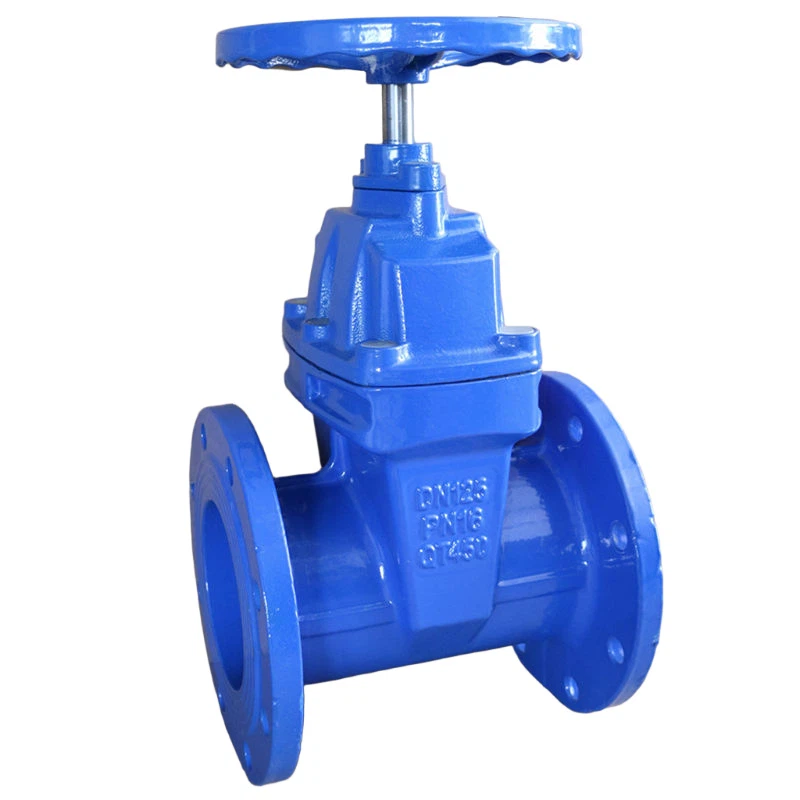

If you are interested in learning more about Gate Valve Non Rising or Non Rising Valve, or if you are considering purchasing non - rising valves for your project, I encourage you to contact us for a detailed discussion. Our team of experts can provide you with the technical information and support you need to make an informed decision. Whether you are looking for a specific valve size, material, or application, we have the experience and resources to meet your requirements.
References
- Valve Handbook, 4th Edition, by J. S. T. Smith.
- Industrial Valves: Selection and Sizing, by R. A. Perry.
- Standards and Guidelines for Valve Installation and Maintenance, by the American Society of Mechanical Engineers (ASME).


