


Hey there! As a supplier of Non Rising Valves, I'm super stoked to chat with you about the safety features of these bad boys. Non Rising Valves, also known as Non Rising Stem Gate Valves, are pretty amazing pieces of equipment that play a crucial role in a whole bunch of industries. So, let's dive right in and take a look at what makes them so safe.
First off, let's talk about what a Non Rising Valve is. Unlike some other types of valves, the stem of a non-rising valve doesn't move up and down when the valve is opened or closed. Instead, the gate moves along the stem. This design has some really cool safety benefits.
One of the major safety features of a non-rising valve is its compact design. Since the stem doesn't rise, it takes up less vertical space. This is a big deal in areas where space is limited, like in tight machinery enclosures or underground piping systems. In these situations, a rising stem valve could get in the way, potentially causing damage to other equipment or even posing a tripping hazard for workers. With a non-rising valve, you don't have to worry about that extra vertical clearance, making the work environment safer.
Another important safety aspect is the protection against external damage. The non-rising stem is usually enclosed within the valve body. This means it's shielded from things like physical impact, corrosion, and environmental factors. For example, in an industrial setting where there's a lot of machinery moving around, a rising stem could easily get hit and bent, which would render the valve useless. But with a non-rising valve, the stem is safe inside the body, reducing the risk of damage and ensuring the valve continues to function properly.
Non Rising Valves also offer great sealing capabilities. A good seal is essential for preventing leaks, which can be extremely dangerous in many applications. For instance, in a pipeline carrying hazardous chemicals or high-pressure fluids, a leak could lead to environmental contamination, explosions, or harm to workers. The gate in a non-rising valve is designed to fit tightly against the valve seats, creating a reliable seal. This helps to maintain the integrity of the system and keeps everyone safe.
Let's not forget about the ease of operation. Non Rising Valves are relatively simple to use. You can usually tell whether the valve is open or closed just by looking at the position of the handwheel or actuator. This clear indication is important for safety because it reduces the chance of human error. In a high-stress situation, like during an emergency shutdown, operators need to be able to quickly and accurately identify the valve's status. With a non-rising valve, there's no confusion, which can prevent accidents and save lives.
Now, let's take a closer look at some specific industries where the safety features of Gate Valve Non Rising really shine.
In the oil and gas industry, non-rising valves are commonly used in pipelines, refineries, and offshore platforms. These environments are filled with flammable and explosive substances, so safety is of the utmost importance. The compact design of non-rising valves allows for more efficient use of space on crowded platforms. And the reliable sealing helps to prevent leaks of oil and gas, which could lead to fires or explosions.
The water and wastewater treatment industry also benefits greatly from non-rising valves. In treatment plants, these valves are used to control the flow of water and chemicals. A leak in this type of system could contaminate the water supply or cause damage to the treatment equipment. The non-rising design protects the stem from corrosion caused by the water and chemicals, ensuring long-term reliability and safety.
In the power generation industry, whether it's a coal-fired, nuclear, or hydroelectric plant, non-rising valves are used to regulate the flow of steam, water, and other fluids. High-pressure and high-temperature conditions are common in power plants, and a malfunctioning valve could lead to serious accidents. The robust construction and reliable sealing of non-rising valves make them a safe choice for these critical applications.
When it comes to maintenance, non-rising valves are also a win for safety. They are generally easier to access and service compared to some other valve types. Since the stem doesn't rise, there's no need to worry about clearance for maintenance tools or the risk of accidentally hitting the stem. This makes maintenance tasks quicker and safer for the technicians working on the valves.

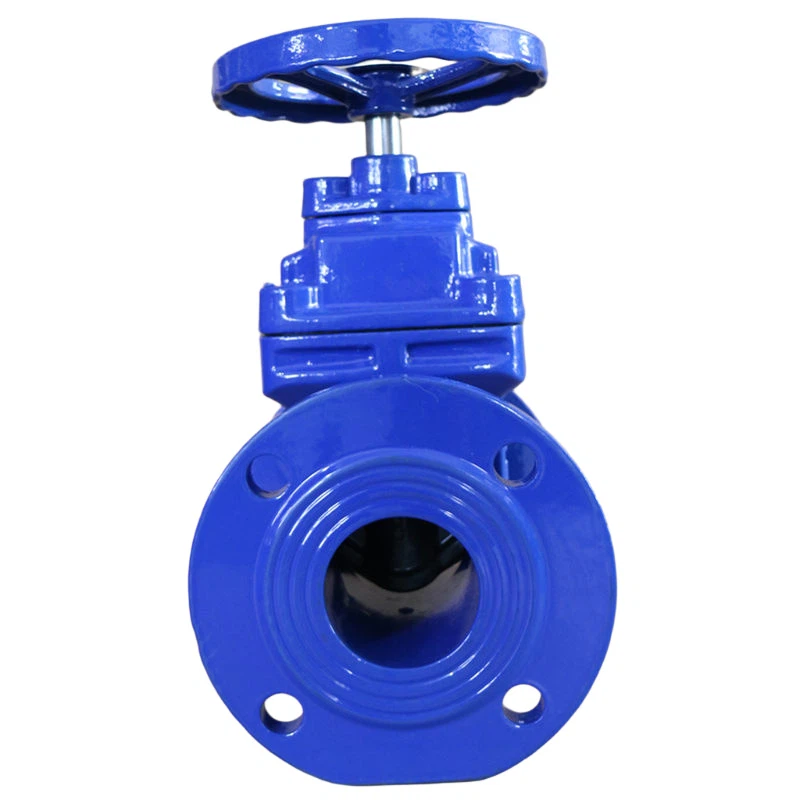
However, like any piece of equipment, non-rising valves do require proper installation and regular inspection. It's important to follow the manufacturer's guidelines during installation to ensure the valve is installed correctly and functions as intended. Regular inspections can help to identify any potential issues early on, such as wear and tear on the gate or seats, which can be addressed before they become a safety concern.
So, if you're in the market for a reliable and safe valve solution, Non Rising Valves are definitely worth considering. Their unique design and safety features make them a great choice for a wide range of industries. Whether you're looking to upgrade an existing system or install a new one, we've got the expertise and the high-quality non-rising valves you need.
If you're interested in learning more or discussing your specific requirements, don't hesitate to reach out. We're here to help you find the perfect valve for your application and ensure the safety and efficiency of your operations. Let's start a conversation and see how we can work together to meet your needs.
References
- Valve Handbook: A Guide to Valve Technology and Applications
- Industry Standards for Valve Design and Safety
- Technical Papers on Non Rising Valve Performance and Safety


