


Hey there! As a supplier of Non Rising Valves, I often get asked about how these valves work, specifically their actuation methods. So, I thought I'd take a moment to break it down for you in a way that's easy to understand.
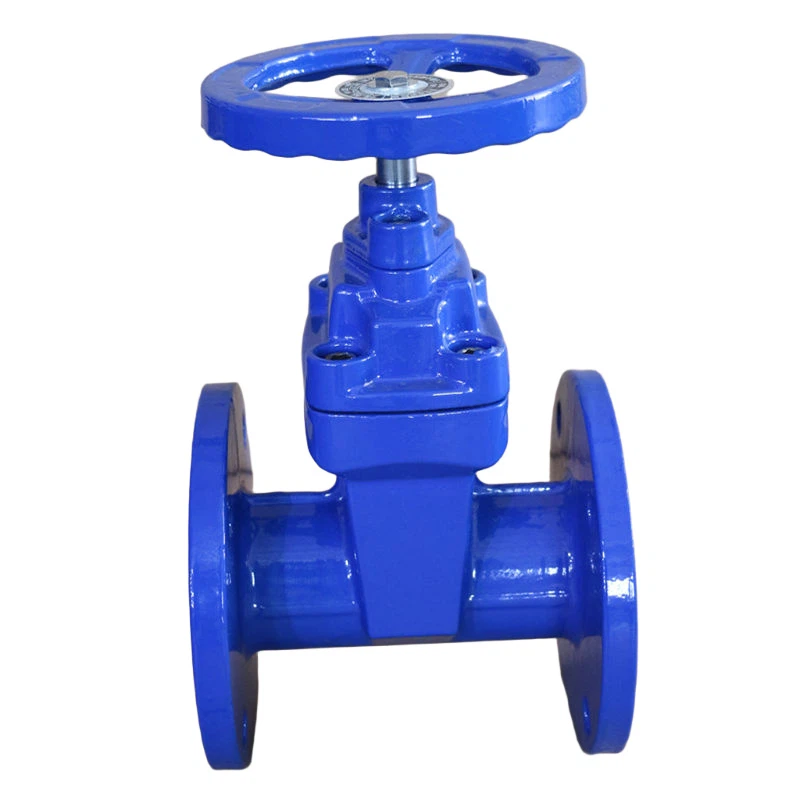
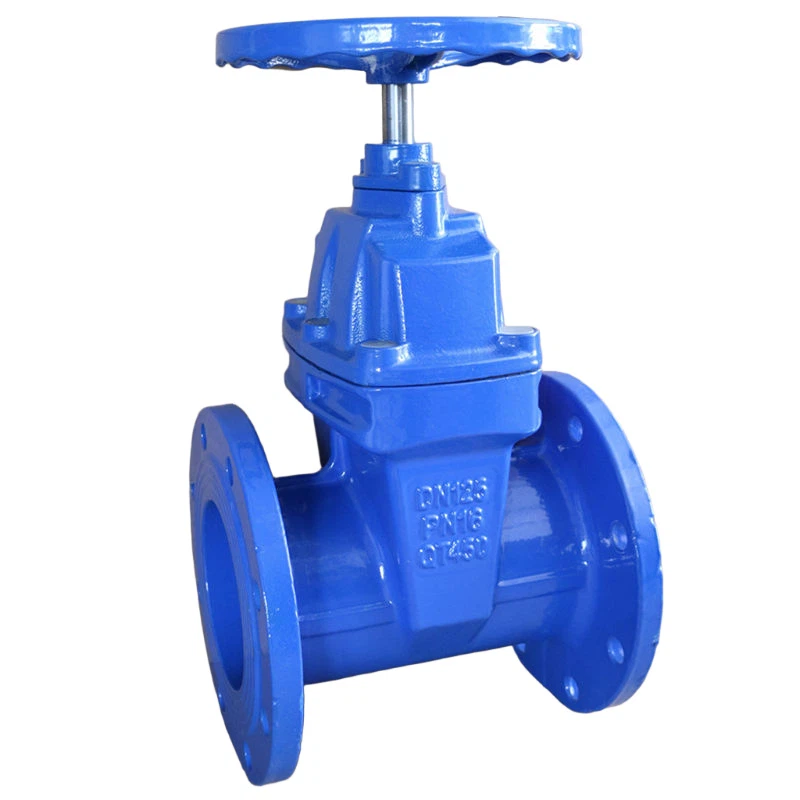
First off, let's talk about what a non - rising valve is. A non - rising valve, also known as a non - rising stem valve, is a type of valve where the stem doesn't move up and down as the valve opens and closes. Instead, the stem rotates in place, and this rotation causes the gate or disc inside the valve to move up or down to control the flow of fluid. You can learn more about them on our Non Rising Valve page.
Now, let's dive into the actuation methods. There are several ways to actuate a non - rising valve, and each method has its own pros and cons.
Manual Actuation
The most basic and common way to actuate a non - rising valve is manually. This involves using a handwheel or a lever to turn the stem. When you turn the handwheel clockwise, the gate or disc moves down, closing the valve and stopping the flow of fluid. Turning it counter - clockwise opens the valve, allowing the fluid to pass through.
Manual actuation is simple and reliable. It doesn't require any external power source, which makes it a great option for small - scale applications or in areas where power isn't readily available. However, it can be labor - intensive, especially for larger valves. You really have to put some muscle into it to turn the handwheel, and it might not be the most efficient method if you need to operate the valve frequently.
Electric Actuation
Electric actuation is becoming increasingly popular, and for good reason. With an electric actuator, you can control the valve remotely using a switch or a control system. When you send a signal to the actuator, it uses an electric motor to turn the stem, opening or closing the valve.
One of the biggest advantages of electric actuation is its convenience. You can operate the valve from a control room, which is great for large industrial facilities where the valves are spread out. It also allows for precise control, as you can set the actuator to open or close the valve to a specific position. However, electric actuation does require a reliable power source. If there's a power outage, the valve might not be operable, unless you have a backup power supply. And let's not forget about the cost. Electric actuators can be more expensive to purchase and install compared to manual ones.
Pneumatic Actuation
Pneumatic actuation uses compressed air to operate the valve. The actuator has a piston or a diaphragm that moves when compressed air is applied. This movement is then transferred to the stem, causing it to rotate and open or close the valve.
Pneumatic actuation is fast and responsive. It can open or close the valve quickly, which is important in applications where you need to shut off the flow of fluid rapidly. It's also relatively simple and reliable, and it doesn't require a large amount of maintenance. However, you need a compressed air system to operate the actuator, which adds to the overall cost and complexity of the installation. And if there's a problem with the air supply, the valve might not work properly.
Hydraulic Actuation
Hydraulic actuation is similar to pneumatic actuation, but instead of compressed air, it uses hydraulic fluid. The hydraulic actuator has a cylinder and a piston. When hydraulic fluid is pumped into the cylinder, the piston moves, and this movement is transferred to the stem to open or close the valve.
Hydraulic actuation is very powerful. It can generate a large amount of force, which makes it suitable for large - diameter valves or applications where high - pressure fluids are involved. It also provides smooth and precise control. However, hydraulic systems are more complex and expensive than other actuation methods. They require a hydraulic pump, hoses, and a reservoir, and they need regular maintenance to prevent leaks and ensure proper operation.
Choosing the Right Actuation Method
So, how do you choose the right actuation method for your non - rising valve? Well, it really depends on your specific application. If you have a small valve in a simple system and you don't need to operate it often, manual actuation might be the way to go. It's cost - effective and easy to use.
If you need to control the valve remotely or require precise control, electric actuation could be a good choice. It offers convenience and accuracy, but you'll need to factor in the cost of the actuator and the power supply.
For applications where speed is crucial, pneumatic actuation might be the best option. It can open and close the valve quickly, but you'll need to have a reliable compressed air system.
And if you're dealing with large valves or high - pressure fluids, hydraulic actuation might be necessary. It provides the power and control you need, but be prepared for a more complex and expensive installation.
As a supplier of Gate Valve Non Rising, we can help you choose the right actuation method for your needs. We have a wide range of non - rising valves and actuators, and our team of experts can provide you with all the information and support you need.
If you're in the market for a non - rising valve and want to learn more about our products or discuss the best actuation method for your application, don't hesitate to reach out. We're here to help you make the right choice and ensure that your valve system operates smoothly and efficiently.
References
- Valve Handbook, 4th Edition, by J. Paul Tullis
- Industrial Valves: Selection and Sizing, by Cameron Engineers


