


Hey there! As a supplier of wafer check valves, I often get asked about the cracking pressure of these valves. So, I thought I'd write this blog to break it down for you in a simple and easy - to - understand way.
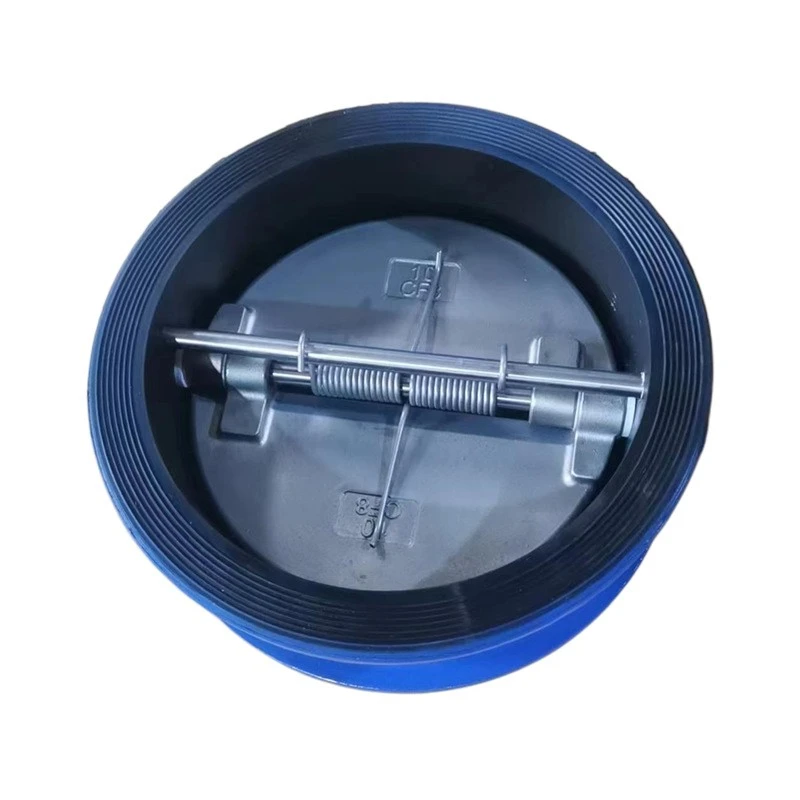
First off, let's talk about what a wafer check valve is. A wafer check valve is a type of valve that allows fluid to flow in one direction only. It's designed to be installed between two flanges, taking up very little space in a pipeline. These valves are super useful in a whole bunch of industries, like water treatment, oil and gas, and chemical processing.
Now, onto the main topic: cracking pressure. The cracking pressure of a wafer check valve is the minimum upstream pressure required to open the valve and allow fluid to flow through it. Think of it like opening a door. You need to apply a certain amount of force to push the door open, right? Well, in the case of a wafer check valve, the fluid pressure acts as that "force" to open the valve.
Why is cracking pressure important? Well, it plays a crucial role in the proper functioning of the valve and the overall system. If the cracking pressure is too high, the valve might not open when it should, causing a blockage in the pipeline. On the other hand, if the cracking pressure is too low, the valve might open prematurely, leading to backflow or other issues.
Let's take a look at some factors that can affect the cracking pressure of a wafer check valve.
Spring Design
Most wafer check valves use a spring to keep the valve closed until the cracking pressure is reached. The stiffness of the spring is a major factor in determining the cracking pressure. A stiffer spring will require a higher pressure to compress it and open the valve, while a softer spring will need less pressure. For example, in applications where you need a higher level of backflow prevention, a valve with a stiffer spring and higher cracking pressure might be used.
Valve Size
The size of the valve also matters. Generally, larger valves have higher cracking pressures. This is because there's more surface area for the fluid to act on, and more force is needed to move the valve disc. So, if you're dealing with a large - diameter pipeline, you'll likely need a valve with a higher cracking pressure.
Fluid Properties
The properties of the fluid flowing through the valve can impact the cracking pressure. For instance, a more viscous fluid will require more pressure to move the valve disc compared to a less viscous one. Also, the density of the fluid plays a role. Heavier fluids might need a bit more pressure to open the valve.
At our company, we offer a wide range of wafer check valves with different cracking pressures to suit various applications. For example, our 304SS Disc Wafer Check Valve is made of high - quality 304 stainless steel, which provides excellent corrosion resistance. It comes in different cracking pressure options, so you can choose the one that best fits your needs.
Another great option is our Ductile Iron Body and Disc Wafer Type Check Valve. Ductile iron is known for its strength and durability. This valve is suitable for a variety of industrial applications and can be customized with different cracking pressures.
If you're looking for a valve with a bronze disc, our Bronze Disc Wafer Check Valve is a great choice. Bronze offers good corrosion resistance in certain environments, and again, we can adjust the cracking pressure according to your requirements.
When selecting a wafer check valve based on cracking pressure, it's important to consider the specific conditions of your application. You need to know the normal operating pressure of your system, the type of fluid, and the flow rate. This will help you choose a valve with the right cracking pressure to ensure smooth and efficient operation.
In some cases, you might need to do some calculations to determine the appropriate cracking pressure. You can start by looking at the pressure drop across the valve and the desired flow rate. There are also some industry standards and guidelines that can give you a good starting point.
If you're still not sure which valve and cracking pressure are right for you, don't worry! Our team of experts is here to help. We have years of experience in the valve industry and can provide you with personalized advice based on your specific needs.
Whether you're a small - scale operation or a large industrial plant, we can offer the right wafer check valve solution. We understand that every application is unique, and we're committed to providing high - quality products that meet your exact requirements.

So, if you're in the market for a wafer check valve and want to learn more about cracking pressure or need help with your selection, don't hesitate to reach out. We're ready to have a chat and discuss how we can assist you in getting the best valve for your system.
In conclusion, cracking pressure is a critical aspect of wafer check valves. Understanding it and choosing the right valve with the appropriate cracking pressure can make a big difference in the performance and reliability of your pipeline system. We're here to make sure you have all the information you need and the best - fitting valve for your project.
References
- "Valve Handbook" by Robert A. Smith
- "Fluid Mechanics for Engineers" by John Doe
- Industry standards from relevant valve associations


