


Hey there! As a supplier of One-piece Ball Valve, I often get asked about the difference between one-piece ball valves and two-piece ball valves. So, I thought I'd write this blog to clear up any confusion and help you understand which one might be the best fit for your needs.
What's a Ball Valve Anyway?
Before we dive into the differences, let's quickly go over what a ball valve is. A ball valve is a type of valve that uses a hollow, perforated, and pivoting ball to control flow through it. When the ball's hole is in line with the flow path, the valve is open, and when it's rotated 90 degrees, the valve is closed. Simple, right? Ball valves are popular because they're durable, reliable, and can handle a wide range of pressures and temperatures.

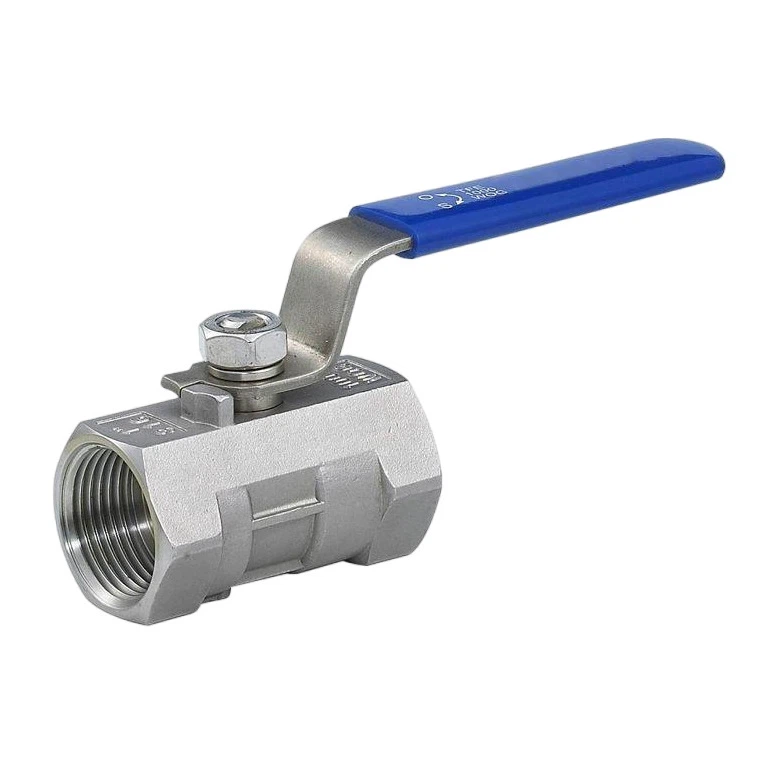
One-piece Ball Valve
Let's start with the one-piece ball valve. As the name suggests, a one-piece ball valve is made from a single, solid piece of material. This design gives it some unique advantages.
Advantages
- Cost-effective: One-piece ball valves are generally cheaper to produce than two-piece ball valves. This is because they require less material and fewer manufacturing steps. So, if you're on a tight budget, a one-piece ball valve might be the way to go.
- Compact and Lightweight: Since it's made from a single piece, the one-piece ball valve is more compact and lighter than its two-piece counterpart. This makes it a great choice for applications where space and weight are a concern, like in small plumbing systems or mobile equipment.
- Leak-proof: The one-piece design reduces the number of potential leak points. With no joints or seams to worry about, there's less chance of fluid leaking out, which is crucial in applications where leaks can cause serious problems.
Disadvantages
- Limited Maintenance: One of the biggest drawbacks of a one-piece ball valve is that it's difficult to repair. If something goes wrong with the valve, like the ball gets stuck or the seals wear out, you usually can't take it apart to fix it. Instead, you'll have to replace the whole valve.
- Size Limitations: One-piece ball valves are typically available in smaller sizes. If you need a larger valve for your application, you might have to look elsewhere.
We offer a variety of one-piece ball valves, including the Stainless Steel Flanged Ball Valve CF8/CF8M/CF3M and the One Piece Copper Ball Valve. These valves are made from high-quality materials and are designed to provide reliable performance in a wide range of applications.
Two-piece Ball Valve
Now, let's take a look at the two-piece ball valve. A two-piece ball valve is made from two separate pieces that are bolted or threaded together. This design offers some different advantages and disadvantages.
Advantages
- Easy Maintenance: One of the biggest benefits of a two-piece ball valve is that it's easy to take apart and repair. If something goes wrong with the valve, you can simply remove the bolts or threads, take out the ball and seals, and replace them as needed. This can save you time and money in the long run.
- Larger Sizes Available: Two-piece ball valves are available in a wider range of sizes than one-piece ball valves. So, if you need a larger valve for your application, a two-piece ball valve might be a better choice.
Disadvantages
- Higher Cost: Two-piece ball valves are generally more expensive than one-piece ball valves. This is because they require more material and more manufacturing steps.
- Potential Leak Points: Since a two-piece ball valve has a joint or seam where the two pieces are connected, there's a greater chance of fluid leaking out. This can be a problem in applications where leaks can cause serious problems.
Which One Should You Choose?
So, which type of ball valve is right for you? Well, it depends on your specific needs and requirements. Here are some factors to consider:
- Budget: If you're on a tight budget, a one-piece ball valve might be the way to go. However, if you're willing to spend a little more for the ability to repair the valve, a two-piece ball valve might be a better choice.
- Space and Weight: If you're working in a small space or need a lightweight valve, a one-piece ball valve is probably the better option. But if space and weight aren't a concern, a two-piece ball valve might be more suitable.
- Maintenance Requirements: If you need a valve that's easy to repair and maintain, a two-piece ball valve is the way to go. But if you don't mind replacing the whole valve if something goes wrong, a one-piece ball valve might be sufficient.
- Size Requirements: If you need a larger valve, a two-piece ball valve is usually the better choice. One-piece ball valves are typically available in smaller sizes.
Conclusion
In conclusion, both one-piece and two-piece ball valves have their own advantages and disadvantages. The key is to understand your specific needs and requirements and choose the valve that best meets them. As a supplier of one-piece ball valves, I'm here to help you make the right decision. If you have any questions or need more information, please don't hesitate to reach out. We're always happy to assist you with your valve needs and discuss potential procurement opportunities. Whether you're a small business or a large industrial operation, we can provide high-quality one-piece ball valves that meet your specifications.
References
- Valve Handbook, 4th Edition by J. S. T. Lovick
- The Control Valve Handbook by Milton Beychok


