


Hey there! As a supplier of CS Pneumatic Wafer Valves, I've seen firsthand how different mediums can have a big impact on these valves. In this blog, I'm gonna break down what these impacts are and why it matters to you.
Understanding CS Pneumatic Wafer Valves
First off, let's quickly go over what CS Pneumatic Wafer Valves are. These valves are a type of butterfly valve that uses compressed air to open and close. They're super popular because they're easy to install, operate, and maintain. They're also great for a wide range of applications, from industrial processes to water treatment.
Impact of Different Mediums
1. Water
Water is one of the most common mediums that CS Pneumatic Wafer Valves come into contact with. In general, water is relatively easy on valves. It's not corrosive (as long as it's clean), and it doesn't have a lot of abrasive particles. However, there are still some things to watch out for.
If the water has a high mineral content, it can lead to scaling inside the valve. This can cause the valve to become stiff and difficult to operate over time. Also, if the water is warm, it can promote the growth of bacteria and algae, which can clog the valve and affect its performance.
For water applications, our Bronze Disc Wafer Valve LS is a great choice. The bronze disc is resistant to corrosion and can handle the constant flow of water without getting damaged easily.
2. Chemicals
Chemicals are a whole different ballgame. Depending on the type of chemical, it can be extremely corrosive, abrasive, or reactive. For example, acids and alkalis can eat away at the valve materials, causing leaks and reducing the valve's lifespan.
Some chemicals are also very viscous, which means they flow slowly. This can put extra stress on the valve when it's opening and closing, as it has to work harder to move the thick fluid. In addition, some chemicals may react with the valve materials, creating deposits or changing the properties of the valve.
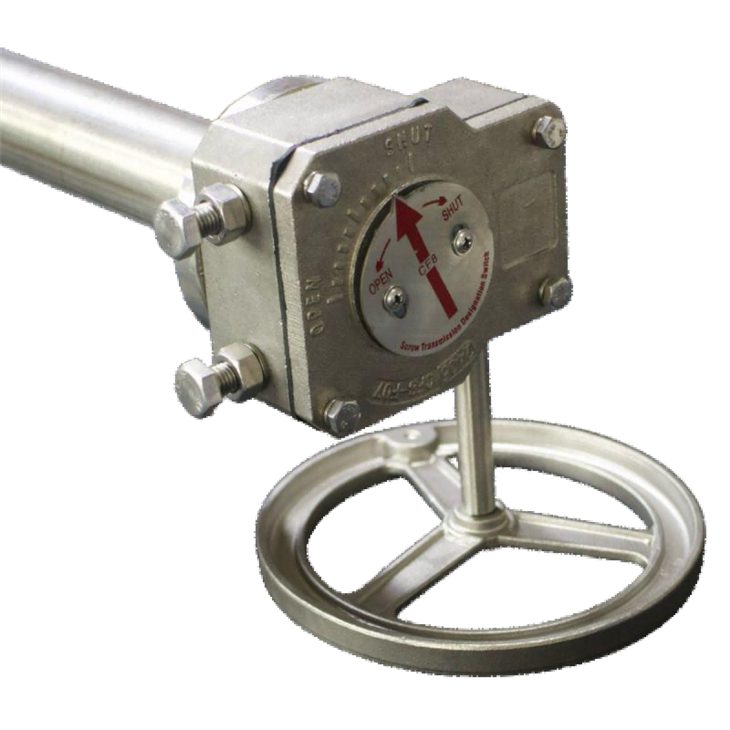
When dealing with chemicals, it's crucial to choose the right valve material. Our Extended Stem Stainless Steel Butterfly Valve is a good option for many chemical applications. Stainless steel is highly resistant to corrosion and can withstand the harsh conditions of chemical environments.

3. Gas
Gases can also have an impact on CS Pneumatic Wafer Valves. One of the main concerns with gases is their pressure. High-pressure gases can put a lot of force on the valve, which can cause it to leak or even fail if it's not designed to handle the pressure.
Another issue is the temperature of the gas. Some gases may be very hot or very cold, and this can affect the performance of the valve. For example, extreme cold can make the valve materials brittle, while extreme heat can cause them to expand and lose their shape.
Our Gear Operated Wafer Type Butterfly Valve is well-suited for gas applications. The gear mechanism provides extra strength and control, allowing the valve to handle high-pressure gases more effectively.
4. Slurries
Slurries are mixtures of solids and liquids, and they can be very abrasive. The solid particles in the slurry can wear down the valve components, especially the disc and the seat. This can lead to leaks and reduced valve performance over time.
In addition, slurries can be difficult to flow, which means the valve has to work harder to open and close. This can cause the valve to overheat and wear out faster.
When dealing with slurries, it's important to choose a valve with a hard and wear-resistant material. Some of our CS Pneumatic Wafer Valves can be customized with special coatings or materials to handle the abrasive nature of slurries.
Why It Matters
Understanding the impact of different mediums on CS Pneumatic Wafer Valves is crucial for several reasons. First of all, it helps you choose the right valve for your application. If you choose the wrong valve, it may not work properly, and you could end up with costly repairs or replacements.
Secondly, it helps you maintain the valve correctly. Different mediums require different maintenance procedures. For example, if you're using a valve with water, you may need to clean it regularly to prevent scaling. If you're using a valve with chemicals, you may need to inspect it more frequently for signs of corrosion.
Finally, it helps you ensure the safety and efficiency of your system. A well-chosen and well-maintained valve can prevent leaks, reduce downtime, and improve the overall performance of your process.
Contact Us for Your Valve Needs
If you're in the market for CS Pneumatic Wafer Valves, or if you have any questions about how different mediums can affect these valves, don't hesitate to reach out. We're here to help you choose the right valve for your application and provide you with the support you need to keep it running smoothly. Whether you're dealing with water, chemicals, gases, or slurries, we have the expertise and the products to meet your needs.
References
- Valves Handbook: A Guide to Valve Selection, Installation, and Maintenance.
- Industrial Fluid Handling: Principles and Practices.
- Chemical Engineering Journal: Research on Valve Performance in Different Mediums.


