


Hey there! As a supplier of One - piece Ball Valves, I often get asked about the noise level when these valves are operating. It's a crucial question, especially for applications where noise can be a real headache, like in residential areas, hospitals, or quiet industrial environments. So, let's dig into what affects the noise level of a One - piece Ball Valve during operation.
First off, what exactly is a One - piece Ball Valve? Well, it's a type of valve that has a single, solid body. Unlike the Three - piece Ball Valve which consists of three main parts or the Two - piece Ball Valve with two parts, the One - piece Ball Valve is made in one piece. This design gives it some unique characteristics when it comes to noise generation.
The noise level of a One - piece Ball Valve during operation can be influenced by several factors. One of the primary factors is the flow rate of the fluid passing through the valve. When the flow rate is high, the fluid moves rapidly through the valve, creating turbulence. This turbulence can cause vibrations in the valve body and the surrounding pipes, which in turn generate noise. Think of it like a river flowing fast through a narrow gorge. The water rushes and churns, creating a lot of noise. Similarly, high - velocity fluid in a One - piece Ball Valve can make quite a racket.
Another factor is the pressure of the fluid. High - pressure fluids can also contribute to increased noise levels. When the pressure is too high, it can force the fluid through the valve opening with a lot of force. This sudden release of pressure can cause shockwaves in the fluid, leading to noise. It's a bit like a balloon popping. The sudden release of air creates a loud noise. In the case of a One - piece Ball Valve, the sudden release of high - pressure fluid can be just as noisy.
The design of the valve itself also plays a significant role. A poorly designed One - piece Ball Valve may have irregularities in its internal structure. These irregularities can disrupt the smooth flow of the fluid, causing eddies and whirlpools. These flow disturbances generate noise. For example, if the valve seat is not properly machined, it can cause the ball to move unevenly, leading to vibrations and noise.

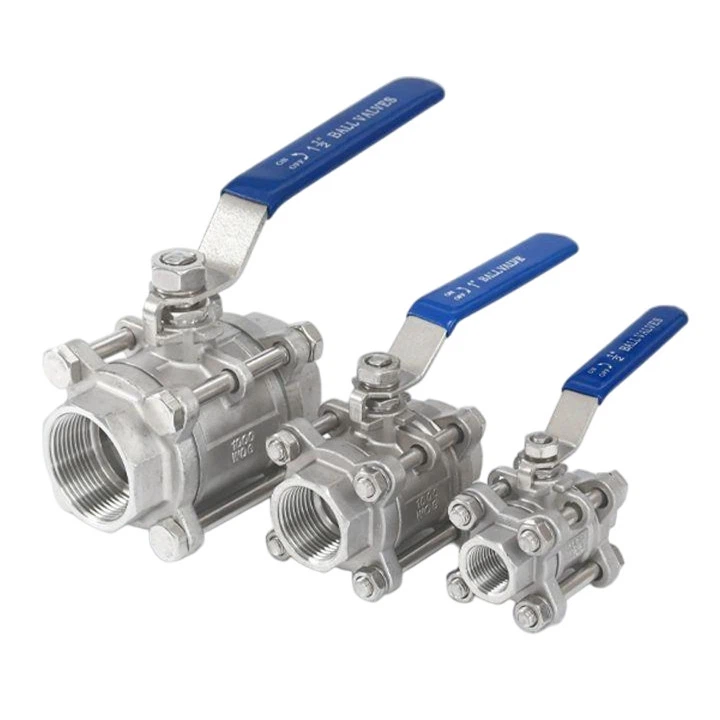
The material of the valve body and components can affect the noise level too. Some materials are better at dampening vibrations than others. For instance, valves made of materials with good acoustic properties, like certain types of plastics or elastomers, can reduce the noise generated during operation. On the other hand, valves made of hard metals may transmit vibrations more easily, resulting in higher noise levels.
Now, let's talk about how we can measure the noise level of a One - piece Ball Valve. Usually, sound pressure level (SPL) is used to quantify the noise. SPL is measured in decibels (dB). A typical quiet office environment has an SPL of around 40 - 50 dB, while a busy street can have an SPL of 70 - 80 dB. When it comes to One - piece Ball Valves, the noise level can vary widely depending on the factors we discussed earlier. In a well - designed and properly installed valve operating under normal conditions, the noise level may be relatively low, perhaps around 50 - 60 dB. However, in high - flow, high - pressure applications, the noise level can exceed 80 dB or even higher.
So, what can we do to reduce the noise level of a One - piece Ball Valve? One solution is to use flow control devices. By regulating the flow rate, we can reduce the turbulence and vibrations in the valve. For example, installing a flow restrictor upstream of the valve can limit the amount of fluid entering the valve, thereby reducing the noise.
Proper installation is also crucial. The valve should be installed in a way that minimizes vibrations. This may involve using flexible connectors between the valve and the pipes to absorb vibrations. Additionally, ensuring that the pipes are properly supported can prevent them from vibrating and amplifying the noise.
Another option is to use noise - reducing coatings or insulation. Applying a special coating to the valve body can help dampen vibrations and reduce the noise. Insulating the pipes around the valve can also prevent the noise from spreading.
As a One - piece Ball Valve supplier, I understand the importance of providing valves that meet the noise requirements of different applications. That's why we invest a lot of time and effort in research and development to improve the design of our valves. We use advanced manufacturing techniques to ensure that our valves have smooth internal surfaces and proper sealing, which helps reduce noise.
If you're in the market for a One - piece Ball Valve and noise is a concern for your application, don't hesitate to reach out to us. We can provide you with detailed information about the noise levels of our valves and offer solutions to meet your specific needs. Whether you're working on a residential project, a commercial building, or an industrial facility, we have the expertise and products to help you.
In conclusion, the noise level of a One - piece Ball Valve during operation is influenced by various factors such as flow rate, pressure, valve design, and material. By understanding these factors and taking appropriate measures, we can reduce the noise and ensure a quiet and efficient operation. If you have any questions or are interested in purchasing our One - piece Ball Valves, feel free to contact us for more information and to start a procurement discussion.
References:
- Fluid Mechanics textbooks for understanding fluid flow and turbulence
- Valve industry standards and guidelines for valve design and noise measurement


