


As a supplier of CS (Carbon Steel) Wafer Check Valves, ensuring the highest quality of our products is not just a goal but a commitment deeply ingrained in our business ethos. The quality control process for CS Wafer Check Valves is a multi - faceted and rigorous procedure that spans from the raw material stage to the final product inspection. In this blog, I will walk you through the entire quality control process that we implement to deliver reliable and high - performance valves to our customers.
Raw Material Inspection
The quality of a CS Wafer Check Valve begins with the quality of its raw materials. Carbon steel, the primary material for these valves, must meet strict standards. We source our carbon steel from trusted suppliers who have a proven track record of providing high - quality materials.
Upon receipt of the raw materials, our quality control team conducts a thorough inspection. First, we check the material certificates provided by the supplier. These certificates detail the chemical composition, mechanical properties, and heat treatment history of the carbon steel. We verify that the chemical composition meets the required standards, such as the appropriate levels of carbon, manganese, silicon, and other elements. For example, the carbon content should be within a specific range to ensure the valve has the right strength and corrosion resistance.
We also perform physical inspections on the raw steel. This includes checking for surface defects such as cracks, porosity, and inclusions. Any material with visible defects is rejected immediately. In addition, we may conduct hardness tests using a hardness tester. The hardness of the carbon steel should be consistent throughout the material, as inconsistent hardness can lead to uneven wear and reduced valve performance.

Manufacturing Process Control
Once the raw materials pass inspection, the manufacturing process begins. Each step of the manufacturing process is closely monitored to ensure quality.
Machining
The machining of CS Wafer Check Valves involves processes such as turning, milling, and drilling. During machining, we use precision equipment and tools to ensure that the dimensions of the valve components meet the design specifications. Our quality control team measures the critical dimensions of the valve parts, such as the bore diameter, flange thickness, and disc diameter, at regular intervals using high - precision measuring instruments like calipers, micrometers, and coordinate measuring machines (CMMs).
We also monitor the surface finish of the machined parts. A smooth surface finish is essential for proper sealing and reduced friction. For example, the sealing surfaces of the valve disc and seat need to have a specific surface roughness to ensure a tight seal and prevent leakage. Any parts that do not meet the surface finish requirements are re - machined or rejected.
Assembly
The assembly of the CS Wafer Check Valve is a critical step in the manufacturing process. Our assembly workers are highly trained to ensure that all components are assembled correctly. Before assembly, each component is cleaned to remove any debris or contaminants.
During assembly, we check the alignment of the valve disc and seat. Proper alignment is crucial for the valve to function correctly and prevent leakage. We also ensure that all fasteners, such as bolts and nuts, are tightened to the specified torque values. Over - tightening or under - tightening can lead to problems such as flange leakage or valve malfunction.
Welding (if applicable)
In some CS Wafer Check Valves, welding may be required for joining components. Welding is a process that requires strict quality control. Our welders are certified and follow strict welding procedures. We perform non - destructive testing (NDT) on the welds, such as ultrasonic testing (UT) and magnetic particle testing (MT). UT can detect internal defects in the weld, while MT can detect surface and near - surface defects. Any welds with defects are repaired or re - welded, and then re - tested to ensure they meet the quality standards.
Testing
After the valve is assembled, it undergoes a series of tests to ensure its performance and reliability.
Pressure Testing
Pressure testing is one of the most important tests for CS Wafer Check Valves. We perform both hydrostatic and pneumatic pressure tests. In the hydrostatic test, the valve is filled with water and pressurized to a specified test pressure for a certain period. The test pressure is usually higher than the normal operating pressure of the valve to ensure its integrity.
During the hydrostatic test, we check for any leakage at the valve body, connections, and sealing surfaces. If any leakage is detected, the valve is disassembled, the problem is identified and corrected, and then the valve is retested.
The pneumatic pressure test is similar to the hydrostatic test, but it uses air or another gas instead of water. Pneumatic tests are often used to detect small leaks that may not be easily detectable in a hydrostatic test.
Function Testing
Function testing is used to ensure that the CS Wafer Check Valve operates correctly under normal conditions. We install the valve in a test rig and simulate the flow conditions that the valve will encounter in actual use. We check the opening and closing behavior of the valve. The valve should open smoothly when the flow is in the forward direction and close tightly when the flow reverses.
We also measure the pressure drop across the valve during the function test. A high pressure drop can indicate problems such as a blocked valve or improper valve design. If the pressure drop is outside the acceptable range, we investigate the cause and make the necessary adjustments.
Final Inspection
After all the tests are completed, the CS Wafer Check Valve undergoes a final inspection. Our quality control team conducts a visual inspection of the entire valve to check for any cosmetic defects, such as scratches, dents, or paint imperfections. Although cosmetic defects do not usually affect the performance of the valve, they can still impact the customer's perception of the product quality.
We also review all the test reports and inspection records to ensure that the valve has met all the quality requirements throughout the manufacturing process. Only valves that pass the final inspection are approved for shipment.
Product Variations and Their Quality Considerations
We offer a range of CS Wafer Check Valve variations, each with its own quality considerations. For example, our Stainless Steel Hard - Seal Wafer Check Valve combines the strength of carbon steel with the corrosion - resistant properties of stainless steel in the sealing components. When manufacturing these valves, we pay special attention to the bonding between the carbon steel body and the stainless steel sealing parts to ensure a reliable seal.
Our Bronze Disc Wafer Check Valve uses a bronze disc, which offers good corrosion resistance and low friction. We ensure that the bronze disc has the right hardness and surface finish to work effectively with the carbon steel valve body.
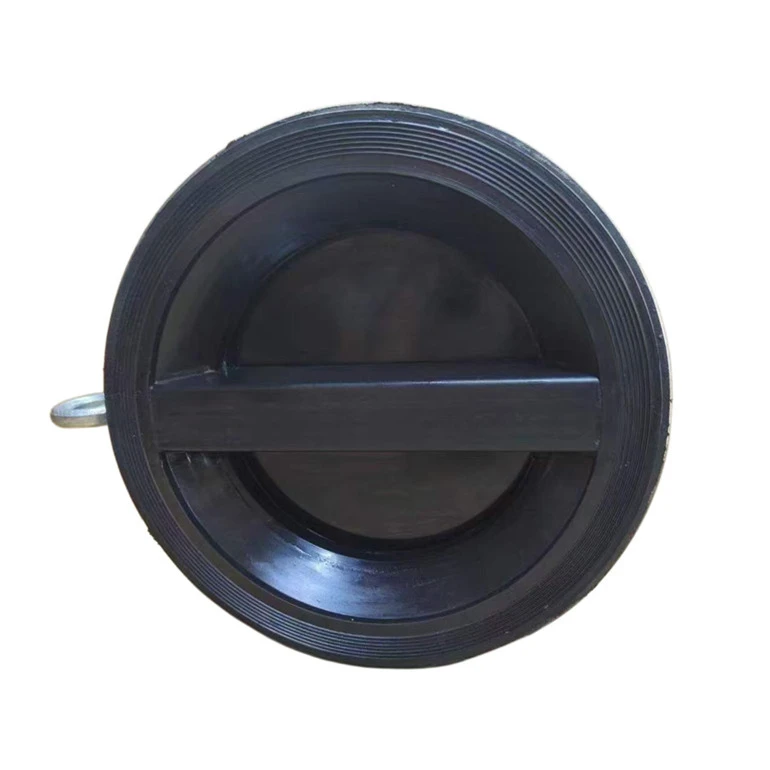
The Carbon Steel Fully Lined EPDM Wafer Check Valve has a lining of EPDM (ethylene propylene diene monomer) rubber. During the lining process, we ensure that the EPDM lining is applied evenly and firmly to the valve interior. Any voids or delamination in the lining can lead to leakage and reduced valve performance.
Conclusion
Our quality control process for CS Wafer Check Valves is a comprehensive and meticulous procedure that ensures the delivery of high - quality products to our customers. From raw material inspection to final testing and inspection, every step is carefully monitored to meet the strictest quality standards.
If you are in the market for CS Wafer Check Valves or any of our other valve products, we invite you to contact us for a detailed discussion. We are committed to providing you with the best - quality valves that meet your specific requirements. Our team of experts is ready to assist you in selecting the right valve for your application and answering any questions you may have. Let's start a conversation about your valve needs and work together to find the best solutions.
References
- ASME B16.34 - Valves - Flanged, Threaded, and Welding End
- API 594 - Check Valves - Flanged, Lug, Wafer, and Butt - Welding
- ASTM A216 - Standard Specification for Steel Castings, Carbon, Suitable for Fusion Welding, for High - Temperature Service


