


A wafer check valve is a crucial component in many fluid handling systems, designed to allow fluid flow in one direction while preventing backflow. As a wafer check valve supplier, I've had the privilege of working closely with these devices, and I'm excited to share insights into their sealing mechanism.
Basic Structure of a Wafer Check Valve
Before delving into the sealing mechanism, it's essential to understand the basic structure of a wafer check valve. A typical wafer check valve consists of a valve body, a disc, and a hinge or pivot mechanism. The valve body is usually a flat, circular component that fits between two flanges in a pipeline. The disc is the movable part that controls the flow of fluid. It is connected to the valve body through a hinge or pivot, allowing it to swing open and closed.
The Sealing Mechanism in Action
The sealing mechanism of a wafer check valve is based on the principle of differential pressure. When fluid flows in the forward direction, the pressure of the fluid pushes the disc open, allowing the fluid to pass through the valve. The disc swings open around the hinge or pivot, creating a clear passage for the fluid.
As the fluid continues to flow, the disc remains in the open position, ensuring minimal resistance to the flow. This is important for maintaining efficient operation of the pipeline system. The design of the disc and the hinge mechanism is optimized to provide smooth and reliable opening and closing action.
However, when the fluid flow stops or reverses, the pressure on the downstream side of the valve becomes higher than the pressure on the upstream side. This differential pressure causes the disc to swing back towards the valve seat. As the disc approaches the seat, it forms a seal to prevent backflow.
Types of Sealing Surfaces
There are different types of sealing surfaces used in wafer check valves, each with its own advantages and applications.
Soft Seals
Soft seals are commonly used in wafer check valves. They are typically made of materials such as rubber or elastomers. Soft seals offer excellent sealing performance, even at low pressures. They can conform to irregularities on the valve seat, ensuring a tight seal.
Soft seals are suitable for applications where a high degree of sealing integrity is required, such as in water supply systems or low-pressure gas pipelines. For example, in a domestic water supply system, a wafer check valve with a soft seal can prevent water from flowing back into the main supply when the pressure in the pipeline drops.
Hard Seals
Hard seals, on the other hand, are made of materials such as stainless steel or other metal alloys. Hard seals are more durable and can withstand higher temperatures and pressures compared to soft seals. They are often used in industrial applications where the fluid being handled is corrosive or abrasive.
The Stainless Steel Hard - Seal Wafer Check Valve is a prime example of a valve with a hard seal. It is designed to provide reliable sealing in harsh environments, such as chemical processing plants or oil and gas pipelines.
Factors Affecting Sealing Performance
Several factors can affect the sealing performance of a wafer check valve.
Fluid Properties
The properties of the fluid being handled, such as its viscosity, temperature, and corrosiveness, can have a significant impact on the sealing performance. For example, a highly viscous fluid may require a valve with a larger disc or a more robust hinge mechanism to ensure proper opening and closing.
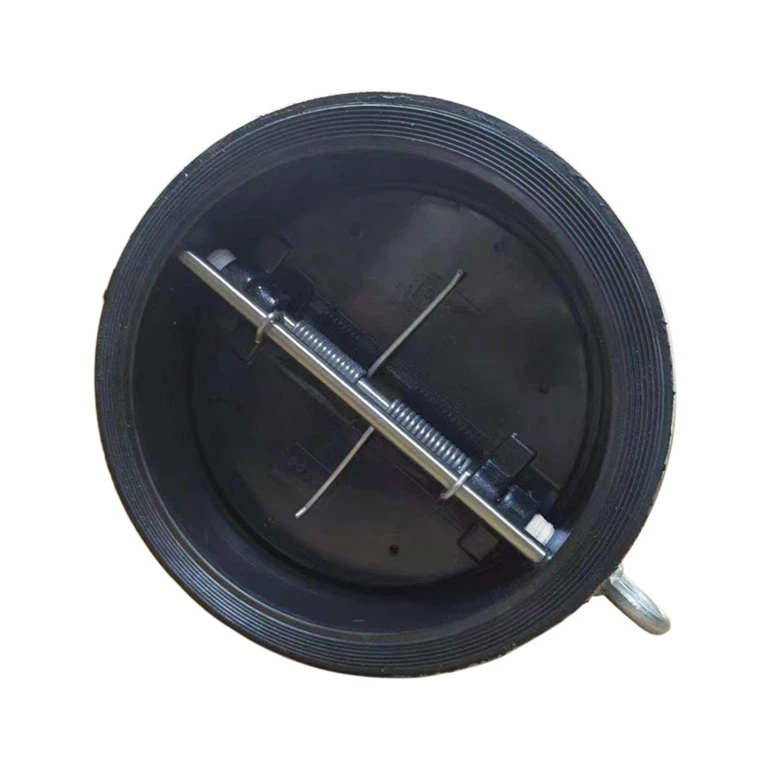

Corrosive fluids can damage the sealing surfaces over time, reducing the effectiveness of the seal. In such cases, valves with corrosion - resistant materials, like the 304SS Disc Wafer Check Valve, are recommended.
Pressure and Flow Rate
The pressure and flow rate of the fluid also play a crucial role in the sealing performance. High - pressure applications require valves with stronger sealing mechanisms to prevent leakage. Similarly, high flow rates can cause the disc to open and close more frequently, which may lead to wear and tear on the sealing surfaces.
Installation and Maintenance
Proper installation and maintenance are essential for ensuring the long - term sealing performance of a wafer check valve. Incorrect installation, such as misalignment of the valve between the flanges, can prevent the disc from seating properly, resulting in leakage.
Regular maintenance, including inspection of the sealing surfaces and replacement of worn parts, can help to extend the service life of the valve and maintain its sealing performance.
Applications of Wafer Check Valves
Wafer check valves are widely used in various industries due to their compact design and reliable sealing performance.
Water Treatment Plants
In water treatment plants, wafer check valves are used to prevent backflow of treated water into the treatment process. They ensure that the water flows in the correct direction through the various treatment stages, such as filtration, disinfection, and storage.
Chemical Processing
In chemical processing plants, wafer check valves are used to control the flow of chemicals and prevent cross - contamination. The ability to provide a tight seal is crucial in these applications to prevent leaks and ensure the safety of the workers and the environment.
Oil and Gas Industry
In the oil and gas industry, wafer check valves are used in pipelines to prevent backflow of oil or gas. They are also used in pumping stations to ensure that the fluid is pumped in the correct direction. The Carbon Steel Fully Lined EPDM Wafer Check Valve is often used in these applications due to its resistance to corrosion and its ability to handle high - pressure fluids.
Conclusion
The sealing mechanism of a wafer check valve is a critical aspect of its functionality. By understanding how the valve operates and the factors that affect its sealing performance, users can select the right valve for their specific application.
As a wafer check valve supplier, we are committed to providing high - quality valves that meet the diverse needs of our customers. Whether you need a valve for a water treatment plant, a chemical processing facility, or an oil and gas pipeline, we have the expertise and the products to meet your requirements.
If you are interested in learning more about our wafer check valves or would like to discuss your specific needs, we invite you to contact us for a procurement discussion. Our team of experts is ready to assist you in finding the perfect solution for your fluid handling system.
References
- "Valve Handbook", edited by J. S. Tuzson
- "Fluid Mechanics and Hydraulics" by R. L. Daugherty and J. B. Franzini
- Industry standards and guidelines related to check valve design and performance


