


Hey there! As a supplier of Non Rising Valves, I often get asked about the valve body design of these nifty devices. So, let's dive right in and explore what makes the valve body design of a non - rising valve tick.
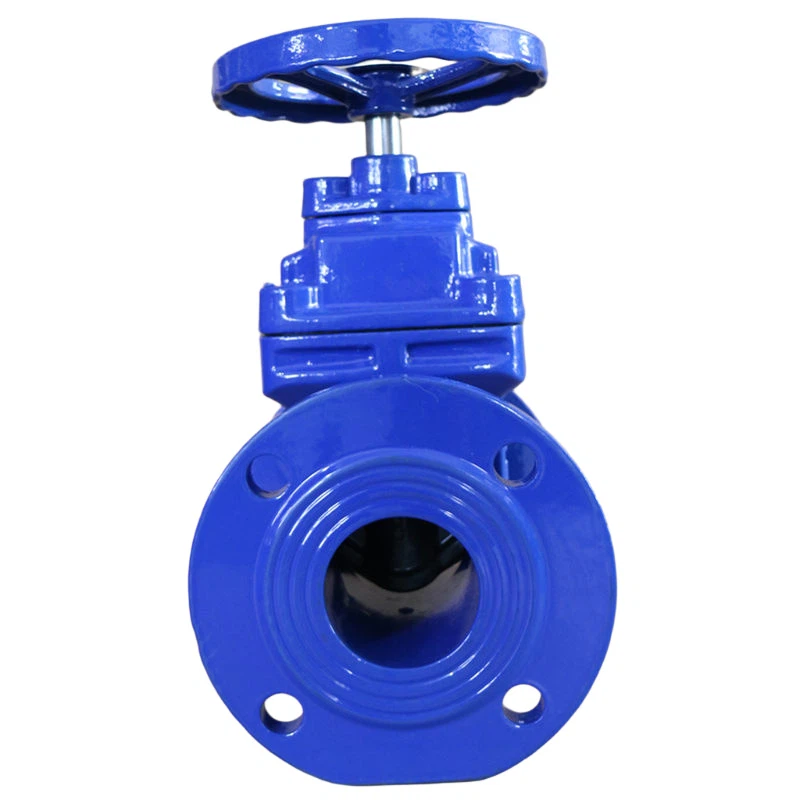
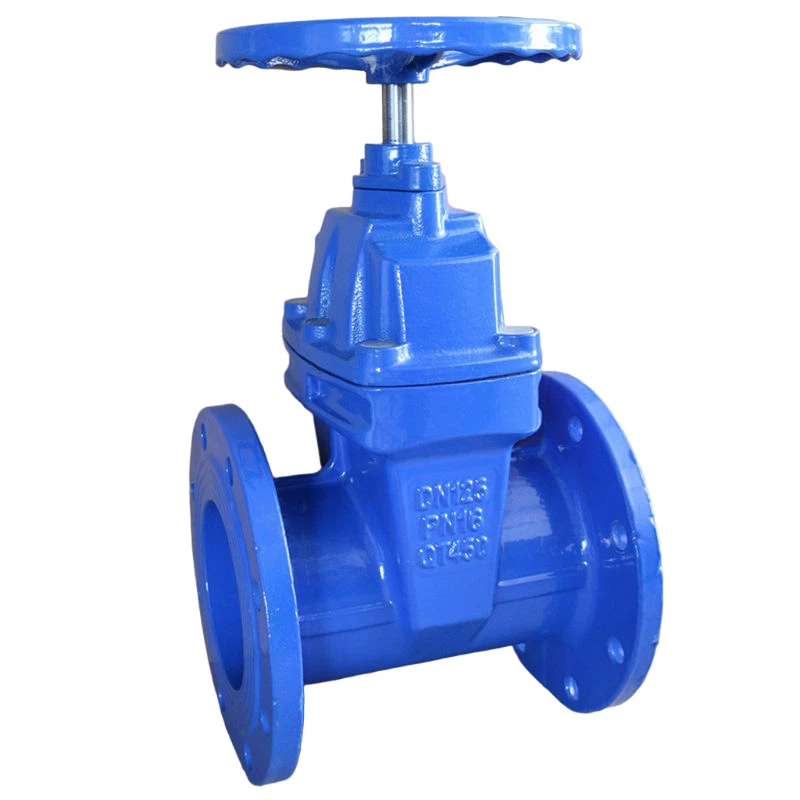
First off, let's understand what a non - rising valve is. You can check out more details about it on our Non Rising Valve page. A non - rising valve, as the name suggests, has a stem that doesn't rise when the valve is opened or closed. Unlike rising stem valves where the stem moves up and down, in a non - rising valve, the stem rotates in place, and the gate moves up and down inside the valve body.
The valve body is the outer shell of the non - rising valve, and it plays a crucial role in the valve's overall performance. It has to withstand the pressure of the fluid flowing through it, as well as any external forces or environmental factors.
One of the key aspects of the valve body design is its material. We use a variety of materials depending on the application. For general industrial use, cast iron is a popular choice. It's strong, durable, and relatively inexpensive. Cast iron valve bodies can handle a wide range of pressures and temperatures. However, for more corrosive environments or applications where higher pressures are involved, we might opt for stainless steel or other alloy materials. Stainless steel is resistant to rust and corrosion, making it ideal for use in water treatment plants, chemical processing facilities, and marine applications.
The shape of the valve body is also carefully designed. Most non - rising valve bodies are cylindrical or rectangular in shape. The cylindrical design is often used for smaller valves, as it provides a compact and efficient shape. The rectangular design, on the other hand, is more common in larger valves, especially those used in pipeline systems. It allows for a larger flow area and better distribution of the fluid.
Inside the valve body, there are several important components. The seat is one of them. The seat is the surface against which the gate seals when the valve is closed. It has to be smooth and flat to ensure a tight seal. The seat can be made of different materials, such as rubber, metal, or a combination of both. Rubber seats are often used for low - pressure applications where a good seal is required. Metal seats, on the other hand, are more suitable for high - pressure and high - temperature applications.
Another important component inside the valve body is the bonnet. The bonnet is the cover that seals the top of the valve body. It provides access to the internal components of the valve for maintenance and repair. The bonnet is usually bolted or threaded onto the valve body. A proper bonnet design is essential to prevent leaks and ensure the safety of the valve.
The valve body design also takes into account the ease of installation and maintenance. We want our valves to be easy to install in existing pipeline systems. That's why we design the valve bodies with standard flange connections or threaded ends. This allows for quick and easy connection to the pipes. When it comes to maintenance, we make sure that the internal components can be easily accessed and replaced. For example, the bonnet can be removed without having to remove the entire valve from the pipeline.
Now, let's talk about the different types of non - rising valves and how their valve body designs vary. One common type is the gate valve non - rising. You can learn more about Gate Valve Non Rising on our website. Gate valves are used to control the flow of fluid by raising or lowering a gate inside the valve body. The valve body of a gate valve non - rising is designed to accommodate the movement of the gate. It has a chamber where the gate can slide up and down. The shape and size of this chamber are carefully designed to ensure smooth operation of the gate.
Another type is the globe valve non - rising. Globe valves are used to regulate the flow of fluid by changing the size of the opening inside the valve. The valve body of a globe valve non - rising is designed with a more complex internal structure. It has a seat and a plug that work together to control the flow. The valve body has to be designed to ensure proper alignment of the seat and the plug for accurate flow control.
In addition to the design of the valve body itself, we also pay attention to the quality control during the manufacturing process. We use advanced manufacturing techniques and strict quality control measures to ensure that each valve body meets the highest standards. We conduct various tests, such as pressure tests, leak tests, and material analysis, to make sure that the valve bodies are safe and reliable.
So, if you're in the market for non - rising valves, whether it's for a small plumbing project or a large industrial application, we've got you covered. Our valves are designed with the latest technology and high - quality materials to provide you with the best performance and reliability. If you have any questions or want to discuss your specific requirements, don't hesitate to get in touch with us. We're always happy to help you find the right non - rising valve for your needs.
References:
- Industrial Valve Handbook
- Valve Design and Application Manual


