


Hey there! As a supplier of Non Rising Valves, I often get asked about the vibration resistance of these valves. So, I thought I'd sit down and write a blog post to explain it all in a way that's easy to understand.
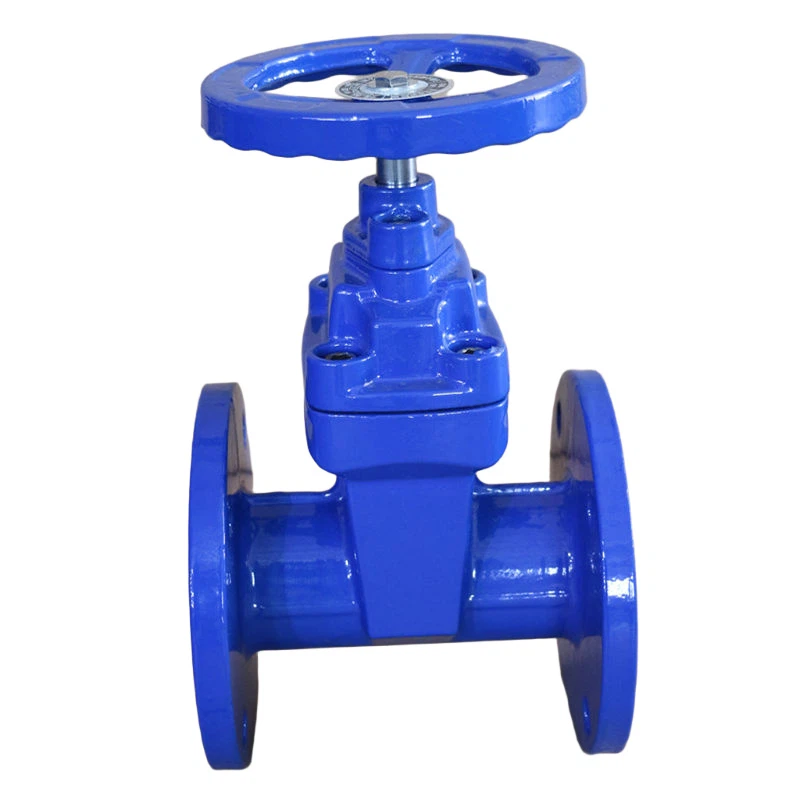
First off, let's talk about what a Non Rising Valve is. A Non Rising Valve, also known as a Non Rising Stem Gate Valve, is a type of valve where the stem doesn't rise when the valve is opened or closed. Instead, the gate moves up and down inside the valve body. You can learn more about it here. These valves are commonly used in applications where space is limited, like in underground pipelines or in areas where a rising stem could be a hazard.
Now, let's get into the nitty - gritty of vibration resistance. Vibration is a common issue in many industrial settings. It can be caused by a variety of factors, such as the flow of fluid through the pipes, the operation of nearby machinery, or even seismic activity. When a valve is exposed to vibration, it can lead to a number of problems. For example, it can cause the valve components to loosen over time, leading to leaks. It can also cause premature wear and tear on the valve, reducing its lifespan.
So, what makes a Non Rising Valve resistant to vibration? Well, it all comes down to the design and construction of the valve.
Design Features for Vibration Resistance
One of the key design features that contribute to the vibration resistance of a Non Rising Valve is its solid construction. These valves are typically made from high - quality materials like cast iron, stainless steel, or bronze. These materials are strong and durable, which helps the valve withstand the forces generated by vibration.
The way the gate is connected to the stem is also important. In a well - designed Non Rising Valve, the gate is securely attached to the stem. This prevents the gate from moving independently due to vibration, which could cause the valve to malfunction.
Another important design aspect is the packing system. The packing is what seals the stem and prevents fluid from leaking out of the valve. A good packing system is designed to stay in place even under vibration. It should be able to maintain a tight seal, which helps prevent leaks and also reduces the risk of the stem becoming damaged due to vibration.
Installation and Maintenance
Proper installation is crucial for ensuring the vibration resistance of a Non Rising Valve. When installing the valve, it's important to make sure that it is properly aligned with the pipeline. Misalignment can cause additional stress on the valve, making it more susceptible to vibration - related problems.

Regular maintenance is also essential. This includes checking the valve components for signs of wear and tear, tightening any loose bolts or nuts, and replacing the packing if necessary. By keeping the valve in good condition, you can ensure that it continues to perform well even in a vibrating environment.
Applications and Vibration Resistance
Non Rising Valves are used in a wide range of applications, and the level of vibration resistance required can vary depending on the application. For example, in a water supply system, the vibration levels are usually relatively low. In this case, a standard Non Rising Valve with good design features should be sufficient to handle the vibration.
However, in more demanding applications like in the oil and gas industry or in power plants, the vibration levels can be much higher. In these cases, you might need a Non Rising Valve that is specifically designed for high - vibration environments. These valves may have additional features like shock - absorbing mounts or reinforced components to enhance their vibration resistance.
If you're in the market for a Non Rising Valve, you can check out Gate Valve Non Rising for more options.
Benefits of Vibration - Resistant Non Rising Valves
Using a vibration - resistant Non Rising Valve offers several benefits. Firstly, it reduces the risk of leaks. Leaks can be a major problem in industrial settings, as they can lead to the loss of valuable fluids, environmental contamination, and safety hazards. By using a valve that is resistant to vibration, you can minimize the risk of leaks and keep your operations running smoothly.
Secondly, it extends the lifespan of the valve. Since vibration - resistant valves are less likely to experience premature wear and tear, they can last longer. This means that you won't have to replace the valve as often, which can save you money in the long run.
Finally, it improves the overall reliability of your system. A valve that can withstand vibration is less likely to malfunction, which means fewer disruptions to your operations. This is especially important in critical applications where any downtime can be costly.
Conclusion
In conclusion, the vibration resistance of a Non Rising Valve is a result of its design, construction, and proper installation and maintenance. These valves are designed to withstand the forces generated by vibration, which helps prevent problems like leaks and premature wear. Whether you're using a Non Rising Valve in a low - vibration water supply system or a high - vibration industrial application, it's important to choose a valve that is suitable for your needs.
If you're interested in learning more about our Non Rising Valves or if you're looking to purchase one for your project, don't hesitate to get in touch. We're here to help you find the right valve for your specific requirements. Our team of experts can provide you with all the information you need and assist you in making the best decision for your application. Let's work together to ensure that your systems run smoothly and efficiently with the right Non Rising Valve.
References
- Valve Handbook: Principles and Applications by Tom E. Brown
- Industrial Valves: Selection, Installation, and Maintenance by John Smith


