


Hey there! As a supplier of Non Rising Valves, I've been fielding a ton of questions lately about the weight of these nifty valves. So, I thought I'd sit down and break it down for you all.
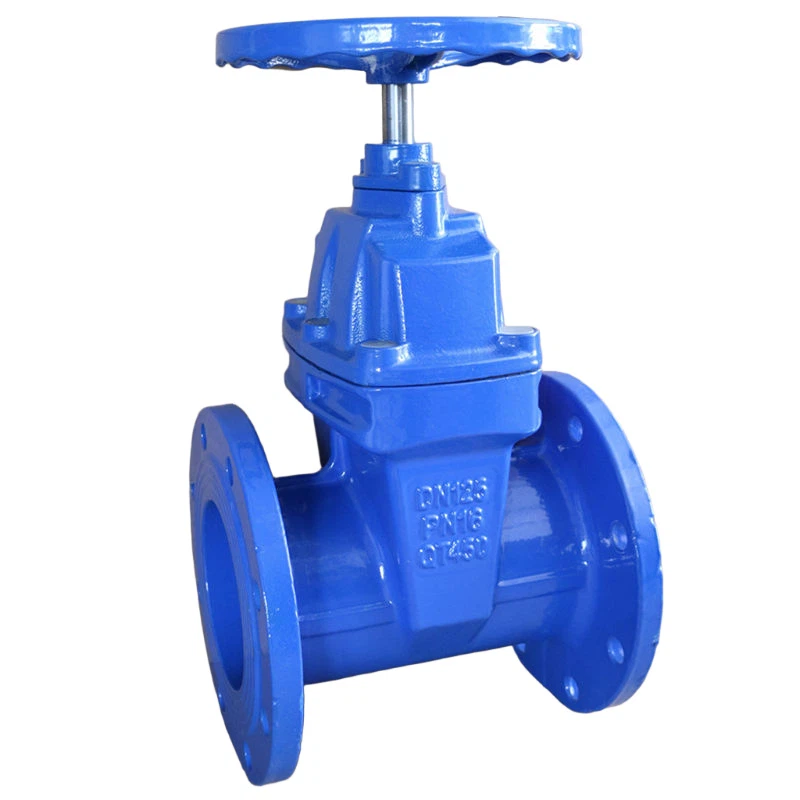
First off, what even is a Non Rising Valve? Well, if you're not in the know, a Non Rising Valve, which you can learn more about here, is a type of valve where the stem doesn't rise when the valve is opened or closed. Instead, the stem rotates, causing the gate to move up and down within the valve body. This design is super handy in situations where space is limited, like in underground applications or in tight valve pits.
Now, onto the main question: what's the weight of a Non Rising Valve? The answer is, it depends. There are a bunch of factors that can influence the weight of these valves, and I'll walk you through the major ones.
Size of the Valve
One of the biggest factors affecting the weight is the size of the valve. You can probably guess that a larger valve is going to be heavier than a smaller one. Non Rising Valves come in all sorts of sizes, from tiny ones used in residential plumbing to massive industrial-grade valves that can be as big as a small car. For instance, a small Gate Valve Non Rising with a nominal diameter of 1 inch might weigh just a few pounds. On the other hand, a huge industrial valve with a 36-inch diameter could tip the scales at several thousand pounds. It's like comparing a ping pong ball to a bowling ball – size matters!
Material of Construction
The material used to make the valve also plays a huge role in determining its weight. Non Rising Valves can be made from a variety of materials, each with its own unique weight characteristics.
- Cast Iron: This is a common material for Non Rising Valves, especially in smaller sizes. Cast iron is heavy but also very durable and resistant to corrosion. A cast iron valve of a given size is going to be heavier than one made from some other materials. For example, a 6-inch cast iron Non Rising Valve might weigh around 100 - 150 pounds.
- Ductile Iron: Ductile iron is similar to cast iron but has better mechanical properties, like higher tensile strength. It's a bit lighter than cast iron, so a ductile iron valve of the same size as a cast iron one will weigh less. A 6-inch ductile iron Non Rising Valve could weigh around 80 - 120 pounds.
- Stainless Steel: Stainless steel is known for its corrosion resistance and strength. It's generally lighter than cast iron but heavier than some plastics. A 6-inch stainless steel Non Rising Valve might weigh between 60 - 100 pounds.
- Plastic: Plastic valves are the lightest option. They're often used in low-pressure applications where weight is a concern. A 6-inch plastic Non Rising Valve could weigh as little as 10 - 20 pounds.
Design and Features
The design of the valve and any additional features it has can also add to its weight. For example, a valve with a more complex internal structure, like a multi - disc design, is going to be heavier than a simple single - disc valve. Similarly, valves with added features like external gearboxes or actuators will weigh more. An actuator is a device used to open and close the valve, and depending on its type and size, it can add a significant amount of weight. A small electric actuator might add only a few pounds, while a large hydraulic actuator could add hundreds of pounds.

Why Does the Weight Matter?
You might be wondering, why does the weight of a Non Rising Valve even matter? Well, there are a few reasons.
- Installation: Heavier valves can be more difficult to install. You need to have the right equipment to lift and position them, and you might need to reinforce the installation area to support the weight. For example, if you're installing a large, heavy valve in a pipeline, you might need to use a crane to lift it into place.
- Transportation: Shipping heavy valves can be expensive. The weight affects the shipping costs, and you might need to use special shipping methods or equipment to ensure the valve arrives safely.
- Structural Considerations: In some applications, the weight of the valve can impact the overall structural integrity of the system. If you're using a valve in a building or a pipeline supported by a structure, you need to make sure the structure can handle the additional load.
As a Non Rising Valve supplier, I've dealt with all sorts of customers with different requirements. Whether you're looking for a lightweight plastic valve for a small - scale project or a heavy - duty cast iron valve for an industrial application, I've got you covered.
If you're in the market for a Non Rising Valve, I'd love to talk to you. We can discuss your specific needs, like the size, material, and any special features you might require. I can also give you more accurate information about the weight and costs associated with different options. Don't hesitate to reach out and start a conversation about your valve needs. We're here to make sure you get the right valve for your job, and we'll work with you every step of the way.
References
- Valve engineering handbooks
- Industry standards and specifications for Non Rising Valves
So, there you have it – a detailed look at the weight of Non Rising Valves. I hope this blog post has been helpful, and if you have any more questions, feel free to ask!


