


As a supplier of Non Rising Valves, I often get asked about what materials these valves are made of. It's a crucial question because the choice of materials can significantly impact the valve's performance, durability, and suitability for various applications. In this blog, I'll break down the common materials used in non - rising valves, so you can have a better understanding when it comes to making a purchase.
Cast Iron
Cast iron is one of the most widely used materials for non - rising valves, especially for applications in water supply and drainage systems. It's affordable, easy to cast, and has good corrosion resistance in certain environments.
The main advantage of using cast iron in non - rising valves is its strength. It can withstand high pressure, which makes it suitable for large - scale water distribution networks. For example, in municipal water supply systems, where water needs to be transported over long distances and at various pressures, cast iron non - rising valves are a popular choice.
However, cast iron does have its limitations. It's relatively brittle compared to some other materials. This means it can crack under extreme impact or stress. Also, in highly corrosive environments, such as those with acidic or alkaline substances, cast iron may corrode over time. To address this issue, some cast iron valves are coated with a protective layer, like epoxy resin, to enhance their corrosion resistance. You can find more about Non Rising Valve made of cast iron on our website.
Ductile Iron
Ductile iron is an improvement over traditional cast iron. It has a graphite structure that gives it better ductility and toughness. This means it can bend and stretch without breaking, which is a significant advantage in applications where the valve may experience vibrations or sudden pressure changes.
Non - rising valves made of ductile iron are commonly used in industrial water systems, fire protection systems, and sewage treatment plants. In fire protection systems, for instance, the valve needs to be reliable and able to withstand the high - pressure water flow during a fire emergency. Ductile iron's mechanical properties make it a great fit for these critical applications.
Just like cast iron, ductile iron can also be prone to corrosion in harsh environments. But again, proper coatings can be applied to extend its service life. Check out our range of Gate Valve Non Rising made of ductile iron for high - quality industrial solutions.
Steel
Steel is a popular choice for non - rising valves in many industrial applications. There are different types of steel used, including carbon steel and stainless steel.
Carbon steel is known for its high strength and toughness. It can handle high - pressure and high - temperature applications, making it suitable for industries such as oil and gas, power generation, and chemical processing. In the oil and gas industry, carbon steel non - rising valves are used in pipelines to control the flow of oil and gas under high - pressure conditions.
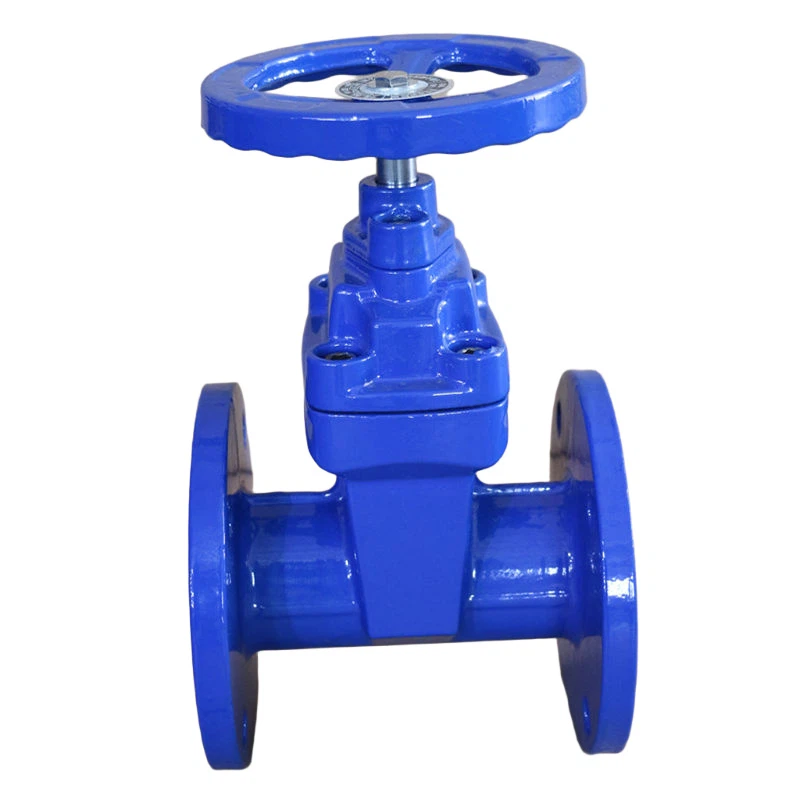
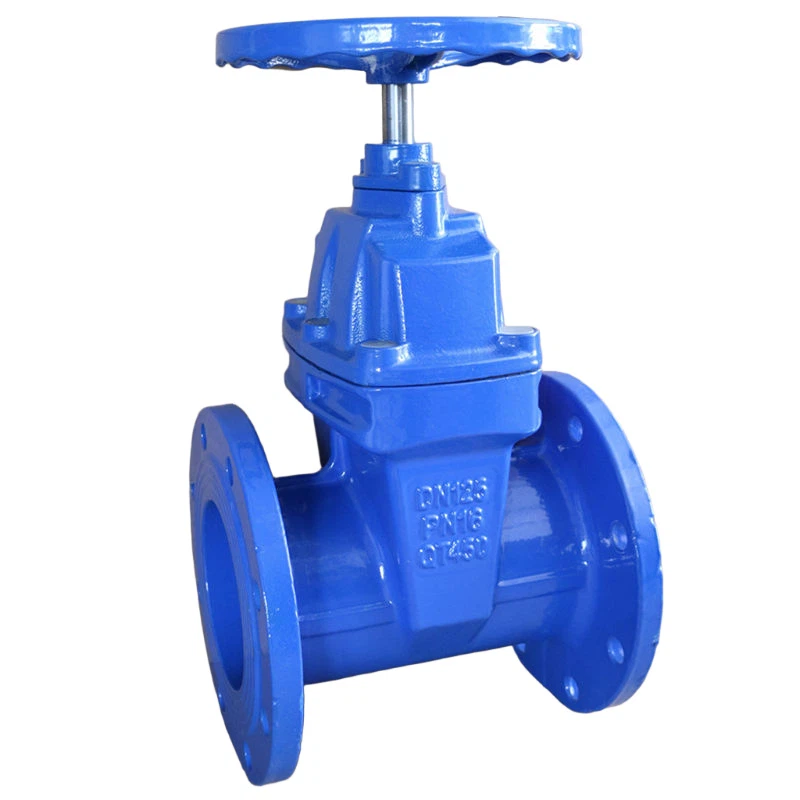
Stainless steel, on the other hand, offers excellent corrosion resistance. It contains chromium, which forms a passive oxide layer on the surface of the steel, protecting it from rust and corrosion. Stainless steel non - rising valves are ideal for applications where the fluid being handled is corrosive, such as in the food and beverage industry, pharmaceutical industry, and marine applications.
However, steel valves are generally more expensive than cast iron or ductile iron valves. But the added benefits in terms of performance and durability often justify the higher cost.
Brass
Brass is another material used for non - rising valves, especially in smaller - scale applications and in some residential plumbing systems. Brass is an alloy of copper and zinc, and it has several desirable properties.
It has good corrosion resistance, especially in water - based environments. Brass also has a relatively low friction coefficient, which means the valve can operate smoothly. In residential plumbing, where the water pressure is relatively low and the valve needs to be opened and closed frequently, brass non - rising valves are a common choice.
One drawback of brass is that it can be susceptible to dezincification in some waters with high pH or certain chemical compositions. But modern brass valves are often made with special alloys or treated to prevent this issue.
Plastic
Plastic materials, such as PVC (polyvinyl chloride), CPVC (chlorinated polyvinyl chloride), and PE (polyethylene), are increasingly being used in non - rising valves, especially for low - pressure and non - corrosive applications.
PVC is lightweight, easy to install, and has good chemical resistance. It's commonly used in irrigation systems, swimming pool filtration systems, and some residential plumbing applications. CPVC is an upgraded version of PVC, which can withstand higher temperatures, making it suitable for hot water systems.
PE is known for its flexibility and durability. It's often used in underground water pipelines and some industrial applications where the valve needs to be resistant to soil stress and environmental factors.
Plastic valves are generally more affordable than metal valves, but they may not be suitable for high - pressure or high - temperature applications.
Choosing the Right Material
When choosing a non - rising valve, it's essential to consider the specific requirements of your application. Factors such as the type of fluid being handled, the pressure and temperature of the system, the environment in which the valve will be installed, and the budget all play a role in determining the most suitable material.
If you're dealing with a large - scale water supply system with relatively low - pressure and a non - corrosive environment, cast iron or ductile iron valves may be a cost - effective choice. For high - pressure and high - temperature applications in industries like oil and gas, steel valves are likely the best option. In residential or small - scale plumbing applications, brass or plastic valves can meet your needs.
We, as a non - rising valve supplier, can help you navigate through these choices. Our team of experts has in - depth knowledge of different valve materials and their applications. We can provide you with detailed information and advice to ensure you select the right non - rising valve for your project.
If you're interested in purchasing non - rising valves or have any questions about valve materials, don't hesitate to get in touch. We're here to assist you with all your valve - related needs. Whether you need a single valve for a small project or a large - scale order for an industrial application, we can offer you high - quality products at competitive prices.
References
- Valve Handbook, 4th Edition, by Robert W. Miller
- Industrial Valves: Design and Application, by David W. Plummer


