


Non-rising valves are a crucial component in various industries, offering unique advantages that make them a preferred choice for specific applications. As a supplier of non-rising valves, I have witnessed firsthand the diverse range of settings where these valves play a vital role. In this blog post, I will explore the common applications of non-rising valves and highlight their benefits in each scenario.
Water and Wastewater Treatment Plants
One of the primary areas where non-rising valves are extensively used is in water and wastewater treatment plants. These facilities require precise control of fluid flow to ensure the efficient treatment and distribution of water. Non-rising valves, particularly gate valves, are well-suited for this purpose due to their ability to provide a tight seal and reliable shut-off.
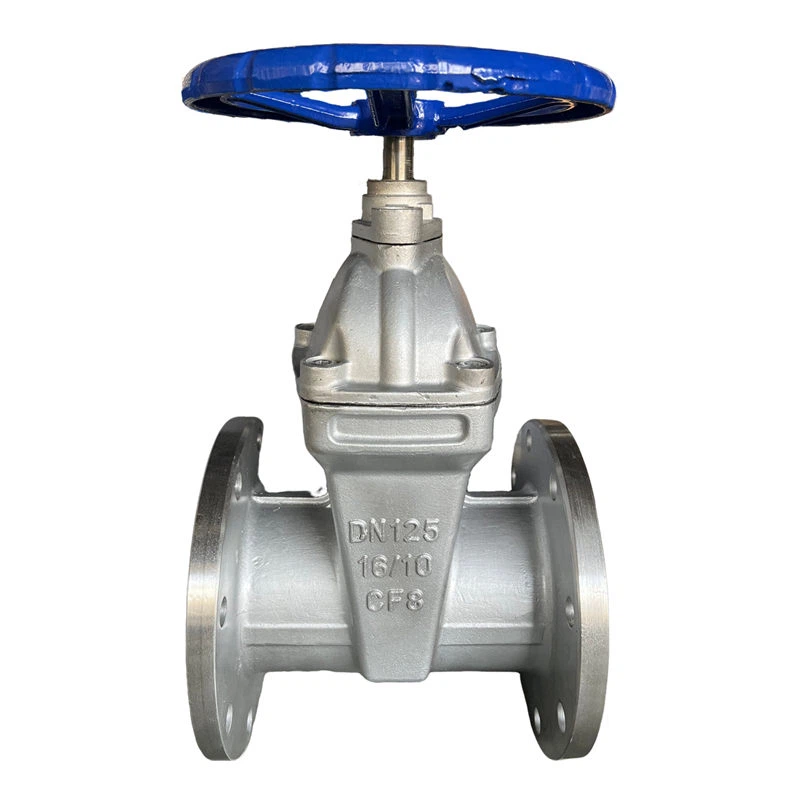
In water treatment plants, non-rising gate valves are commonly installed in pipelines to regulate the flow of raw water, treated water, and chemicals. The non-rising stem design allows the valve to be installed in tight spaces, such as underground vaults or confined equipment rooms, without the need for additional clearance above the valve. This makes them ideal for applications where space is limited.
In wastewater treatment plants, non-rising valves are used to control the flow of sewage, sludge, and other wastewater streams. The valves are typically installed in manholes, wet wells, and pumping stations, where they can withstand the harsh conditions and corrosive nature of the wastewater. The non-rising stem design also helps to prevent the accumulation of debris and sediment on the stem, reducing the risk of valve malfunction.
Oil and Gas Industry
The oil and gas industry is another major user of non-rising valves. These valves are used in various upstream, midstream, and downstream applications to control the flow of oil, gas, and other fluids. Non-rising gate valves are particularly popular in the oil and gas industry due to their ability to handle high pressures and temperatures.
In upstream applications, non-rising valves are used in wellheads, pipelines, and production facilities to control the flow of oil and gas from the reservoir to the surface. The valves are designed to withstand the high pressures and corrosive environment of the oil and gas wells, ensuring reliable operation and preventing leaks.
In midstream applications, non-rising valves are used in pipelines, storage tanks, and processing facilities to transport and store oil and gas. The valves are typically installed in above-ground and underground pipelines, where they can control the flow of fluids and isolate sections of the pipeline for maintenance and repair.
In downstream applications, non-rising valves are used in refineries, petrochemical plants, and other processing facilities to control the flow of refined products, such as gasoline, diesel, and jet fuel. The valves are designed to meet the strict safety and environmental regulations of the industry, ensuring the reliable and efficient operation of the facilities.
Power Generation Plants
Power generation plants, including thermal power plants, hydroelectric power plants, and nuclear power plants, also rely on non-rising valves for various applications. These valves are used to control the flow of water, steam, and other fluids in the power generation process, ensuring the efficient and reliable operation of the plants.
In thermal power plants, non-rising valves are used in boilers, turbines, and condensers to control the flow of water and steam. The valves are designed to withstand the high temperatures and pressures of the steam, ensuring reliable operation and preventing leaks.
In hydroelectric power plants, non-rising valves are used in penstocks, turbines, and spillways to control the flow of water. The valves are designed to handle the high flow rates and pressures of the water, ensuring the efficient operation of the turbines and preventing flooding.

In nuclear power plants, non-rising valves are used in the primary and secondary coolant systems to control the flow of water and steam. The valves are designed to meet the strict safety and environmental regulations of the nuclear industry, ensuring the reliable and safe operation of the plants.
Building Services
Non-rising valves are also commonly used in building services, such as plumbing, heating, ventilation, and air conditioning (HVAC) systems. These valves are used to control the flow of water, steam, and other fluids in the building, ensuring the comfort and safety of the occupants.
In plumbing systems, non-rising gate valves are used to control the flow of water to fixtures, such as sinks, toilets, and showers. The valves are typically installed in the main water supply line or in the branch lines to each fixture, allowing for easy shut-off in case of repairs or emergencies.
In heating and cooling systems, non-rising valves are used to control the flow of hot and cold water to radiators, boilers, and chillers. The valves are designed to provide precise control of the temperature and flow rate of the water, ensuring the efficient operation of the system and the comfort of the occupants.
In HVAC systems, non-rising valves are used to control the flow of air and refrigerant. The valves are typically installed in the ductwork or in the refrigerant lines, allowing for easy adjustment of the airflow and refrigerant flow to maintain the desired temperature and humidity levels in the building.
Benefits of Non-Rising Valves
Non-rising valves offer several benefits that make them a preferred choice for many applications. Some of the key benefits of non-rising valves include:
- Space-saving design: The non-rising stem design allows the valve to be installed in tight spaces, without the need for additional clearance above the valve. This makes them ideal for applications where space is limited, such as underground vaults or confined equipment rooms.
- Reliable shut-off: Non-rising valves, particularly gate valves, provide a tight seal and reliable shut-off, ensuring the efficient control of fluid flow. The valves are designed to withstand high pressures and temperatures, making them suitable for a wide range of applications.
- Easy maintenance: The non-rising stem design makes the valve easy to maintain, as the stem does not require regular lubrication or adjustment. The valves are also designed to be easily accessible for inspection and repair, reducing downtime and maintenance costs.
- Corrosion resistance: Non-rising valves are typically made of materials that are resistant to corrosion, such as stainless steel, cast iron, and bronze. This makes them suitable for use in harsh environments, such as water and wastewater treatment plants, oil and gas facilities, and power generation plants.
Conclusion
Non-rising valves are a versatile and reliable component that is widely used in various industries. As a supplier of non-rising valves, I understand the importance of providing high-quality products that meet the specific needs of our customers. Whether you are in the water and wastewater treatment, oil and gas, power generation, or building services industry, we have the expertise and experience to provide you with the right non-rising valve solution for your application.
If you are interested in learning more about our non-rising valves or would like to discuss your specific requirements, please do not hesitate to [contact us for procurement and negotiation]. We look forward to working with you to provide the best valve solutions for your needs.
References
- Valve Handbook, William L. Nayfeh, McGraw-Hill Professional, 2008.
- Control Valve Engineering, Milton Beychok, Wiley-Interscience, 2002.
- Pipeline Rules of Thumb Handbook, Carl Branan, McGraw-Hill Professional, 2010.


