


In the current global push towards environmental sustainability, industries across the board are under increasing scrutiny to assess and improve the environmental impact of their products. As a supplier of PFA butterfly valves, I often encounter the question: Are PFA butterfly valves environmentally friendly? In this blog post, I will delve into the various aspects of PFA butterfly valves and explore their environmental implications.
Understanding PFA Butterfly Valves
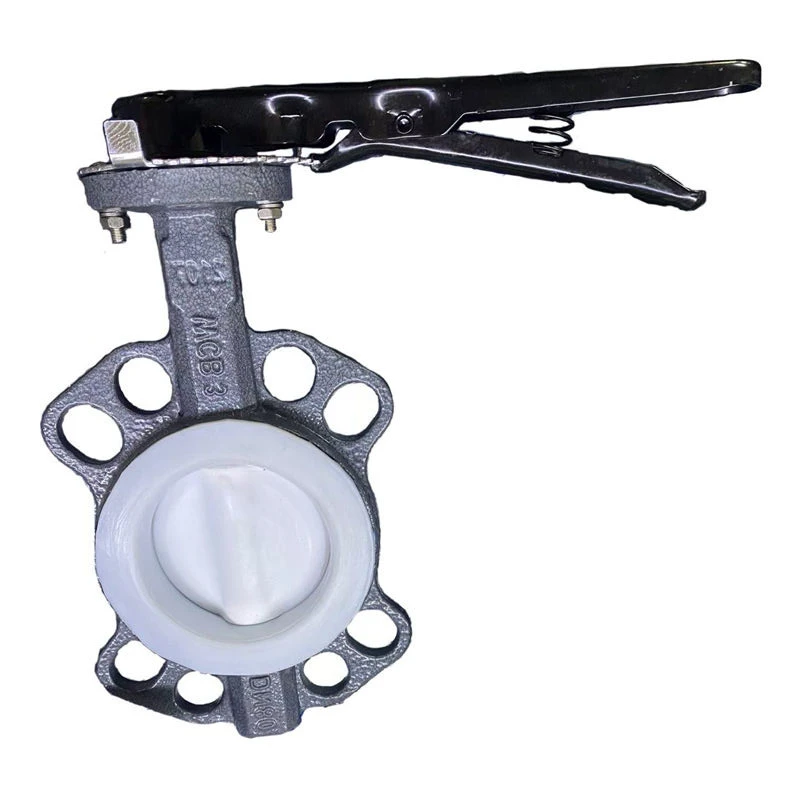
Before we can determine the environmental friendliness of PFA butterfly valves, it's essential to understand what they are. PFA, or perfluoroalkoxy alkane, is a type of fluoropolymer known for its excellent chemical resistance, high-temperature stability, and non-stick properties. A PFA Seated Butterfly Valve typically consists of a disc mounted on a shaft, which rotates to control the flow of fluid through a pipeline. The PFA lining or seating provides a barrier between the fluid and the valve body, protecting the valve from corrosion and ensuring a tight seal.

Material Composition and Environmental Impact
The environmental impact of a product often starts with its material composition. PFA is a synthetic polymer derived from fluorine, carbon, and oxygen. The production of PFA involves a complex chemical process that requires energy and resources. However, compared to some other materials used in valve manufacturing, such as metals like stainless steel or cast iron, PFA has several advantages from an environmental perspective.
One of the key benefits of PFA is its exceptional chemical resistance. This means that PFA butterfly valves can be used in applications where highly corrosive chemicals are present without the need for frequent replacement due to corrosion. In contrast, metal valves may corrode over time, leading to leaks and the need for more frequent maintenance and replacement. This not only results in additional waste but also requires the extraction and processing of more raw materials for new valves.
Moreover, PFA has a relatively long lifespan. When properly installed and maintained, PFA butterfly valves can last for many years, reducing the overall demand for valve replacements. This longevity contributes to a reduction in the consumption of resources and energy associated with manufacturing new valves.
Energy Efficiency
Another important aspect of environmental friendliness is energy efficiency. PFA butterfly valves are designed to provide a high degree of flow control with minimal pressure drop. The streamlined design of the valve disc allows for smooth fluid flow, reducing the energy required to pump the fluid through the pipeline. In industrial processes where large volumes of fluid are being transported, even a small reduction in pressure drop can result in significant energy savings over time.
In addition, PFA butterfly valves can be operated with relatively low torque, which means that less energy is required to open and close the valve. This is particularly important in applications where the valves are frequently cycled, such as in automated control systems. By reducing the energy consumption of the valve operation, PFA butterfly valves contribute to a more sustainable and energy-efficient industrial operation.
Leakage Prevention
Leakage is a major concern in valve applications, as it can lead to the release of harmful chemicals into the environment. PFA butterfly valves are designed to provide a tight seal, minimizing the risk of leakage. The PFA lining or seating ensures a reliable seal between the valve disc and the valve body, even under high pressure and temperature conditions.
By preventing leaks, PFA butterfly valves help to protect the environment from potential contamination. This is especially important in industries such as chemical processing, water treatment, and pharmaceuticals, where the release of chemicals can have serious environmental and health consequences.
Recycling and Disposal
At the end of their useful life, the disposal of PFA butterfly valves needs to be considered. PFA is a thermoplastic polymer, which means that it can be recycled under certain conditions. However, the recycling process for PFA is more complex than that of some other common plastics due to its high melting point and chemical resistance.
Currently, the recycling infrastructure for PFA is not as well-developed as for some other materials. However, there are ongoing efforts in the industry to improve PFA recycling technologies and increase the availability of recycling options. As a supplier, we are committed to working with our customers and recycling partners to ensure that PFA butterfly valves are disposed of in an environmentally responsible manner.
In cases where recycling is not feasible, PFA butterfly valves should be disposed of in accordance with local environmental regulations. PFA is relatively inert and does not pose a significant risk to the environment when properly disposed of in a landfill. However, it's important to ensure that the valves are not incinerated, as this can release harmful fluorinated compounds into the atmosphere.
Comparison with Other Valve Types
To fully assess the environmental friendliness of PFA butterfly valves, it's useful to compare them with other types of valves. For example, traditional rubber-seated butterfly valves are commonly used in many applications. While rubber is a natural or synthetic polymer that can be recycled in some cases, it may not have the same level of chemical resistance and longevity as PFA. Rubber valves may also require more frequent replacement due to wear and tear, especially in harsh chemical environments.
Ball valves are another popular type of valve. Ball valves typically have a spherical disc that rotates to control the flow. While ball valves can provide excellent shut-off capabilities, they may have a higher pressure drop compared to PFA butterfly valves, resulting in increased energy consumption. Additionally, ball valves made of metal may be more prone to corrosion in certain applications.
Conclusion
In conclusion, PFA butterfly valves offer several environmental benefits. Their chemical resistance, long lifespan, energy efficiency, and leakage prevention capabilities contribute to a reduction in resource consumption, energy use, and environmental pollution. While the production of PFA does require energy and resources, the overall environmental impact of PFA butterfly valves is relatively low compared to some other valve types.
As a supplier of PFA Lined Butterfly Valves, we are committed to promoting the use of environmentally friendly products. We believe that by choosing PFA butterfly valves, our customers can not only benefit from their high performance and reliability but also contribute to a more sustainable future.
If you are interested in learning more about our PFA butterfly valves or have specific requirements for your application, we invite you to contact us for a detailed discussion. Our team of experts is ready to provide you with the best solutions and support to meet your needs.
References
- "Fluoropolymers: Properties, Processing, and Applications" by Charles A. Dostal
- "Valve Handbook" by E. W. Miller
- Industry reports on valve manufacturing and environmental impact


