


Hey there, pipeline enthusiasts! As a supplier of CS Wafer Check Valves, I'm super stoked to chat about how these nifty devices play a massive role in keeping pipeline systems safe. So, let's dive right in!
What's a CS Wafer Check Valve Anyway?
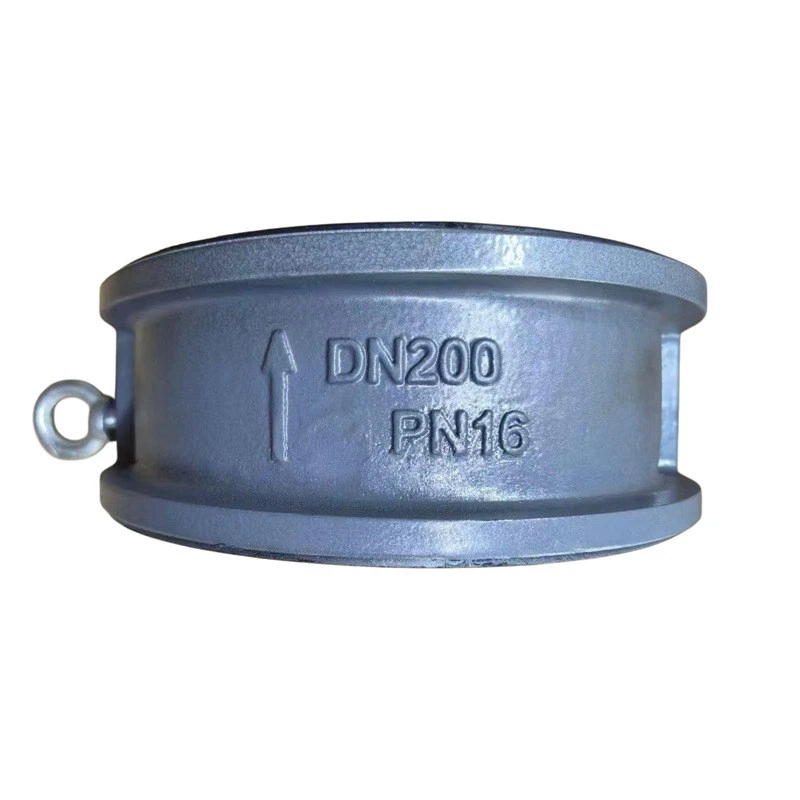
First off, let me break down what a CS Wafer Check Valve is. "CS" stands for carbon steel, which is a tough and durable material known for its strength and resistance to corrosion. The "wafer" part refers to its design. It's a thin, flat valve that fits between two flanges in a pipeline, hence the wafer-like shape. And the "check valve" bit? Well, it's all about the one-way flow. It allows fluid or gas to flow in one direction but prevents it from flowing back the other way.
Backflow Prevention: The Key to Pipeline Safety
One of the most critical ways a CS Wafer Check Valve contributes to pipeline safety is by preventing backflow. Backflow can be a real headache in a pipeline system. It can cause all sorts of problems, from contamination of the fluid or gas being transported to damage to the pipeline itself and the equipment connected to it.
Imagine you're transporting clean water through a pipeline. If there's no check valve in place and there's a sudden drop in pressure downstream, the water could start flowing back. This backflow could pick up dirt, debris, or even harmful chemicals from the downstream side and contaminate the clean water supply. That's a huge safety risk, especially if the water is meant for drinking or other sensitive applications.
A CS Wafer Check Valve acts like a traffic cop for your pipeline. It only allows traffic (fluid or gas) to move in one direction. When the flow is going the right way, the valve opens up and lets it pass through smoothly. But as soon as there's a hint of backflow, the valve slams shut, blocking the reverse flow and keeping your pipeline safe.
Protecting Equipment from Damage
Another way these valves contribute to pipeline safety is by protecting the equipment connected to the pipeline. Many pipeline systems are connected to pumps, compressors, and other expensive machinery. Backflow can put a lot of stress on these devices, causing them to wear out faster or even break down completely.
For example, a pump is designed to push fluid or gas in one direction. If backflow occurs, the pump has to work against the reverse flow, which can overheat the motor and damage the internal components. A CS Wafer Check Valve prevents this from happening by stopping the backflow before it reaches the pump. This extends the lifespan of the equipment and reduces the need for costly repairs and replacements.
Pressure Regulation
CS Wafer Check Valves also help regulate the pressure in a pipeline system. In a pipeline, the pressure can fluctuate due to various factors, such as changes in flow rate, temperature, or the operation of other equipment. These pressure fluctuations can be dangerous if they're not kept in check.
A sudden increase in pressure can cause the pipeline to burst, leading to leaks, spills, and potential safety hazards. On the other hand, a sudden drop in pressure can cause the pipeline to collapse or suck in air, which can also lead to problems.
The check valve helps maintain a stable pressure by preventing backflow. When the pressure starts to drop downstream, the valve closes, preventing the fluid or gas from flowing back and maintaining the pressure in the upstream section of the pipeline. This helps keep the entire system operating within safe pressure limits.
Different Types of CS Wafer Check Valves for Specific Needs
We offer a variety of CS Wafer Check Valves to meet different pipeline requirements. For example, our 304SS Disc Wafer Check Valve features a 304 stainless steel disc, which provides excellent corrosion resistance. This makes it ideal for applications where the fluid or gas being transported is corrosive or where the pipeline is exposed to harsh environmental conditions.
Our Carbon Steel Fully Lined EPDM Wafer Check Valve is fully lined with EPDM (ethylene propylene diene monomer), a synthetic rubber known for its excellent chemical resistance and flexibility. This valve is suitable for applications where the fluid or gas is corrosive or where there's a need for a tight seal.
And then there's our Ductile Iron Body and Disc Wafer Type Check Valve. Ductile iron is a strong and durable material that can withstand high pressures and temperatures. This valve is a great choice for heavy-duty applications where reliability is key.
Installation and Maintenance
Proper installation and maintenance of CS Wafer Check Valves are crucial for ensuring their effectiveness and longevity. When installing a check valve, it's important to make sure it's installed in the correct orientation. The valve should be installed so that the flow direction arrow on the valve body matches the direction of the flow in the pipeline.

Regular maintenance is also essential. You should inspect the valve periodically to make sure it's working properly. Check for any signs of wear, damage, or corrosion. If you notice any problems, replace the valve or the damaged parts as soon as possible.
Cost-Effective Safety Solution
CS Wafer Check Valves are not only effective at keeping your pipeline system safe, but they're also a cost-effective solution. Compared to other types of valves and safety devices, they're relatively inexpensive to purchase and install. And because they help prevent backflow and protect your equipment from damage, they can save you a lot of money in the long run by reducing the need for repairs and replacements.
Conclusion: A Must-Have for Pipeline Safety
In conclusion, a CS Wafer Check Valve is an essential component of any pipeline system. It plays a vital role in preventing backflow, protecting equipment from damage, regulating pressure, and ensuring the overall safety of the pipeline. Whether you're transporting water, gas, oil, or any other fluid, a CS Wafer Check Valve can help you keep your pipeline running smoothly and safely.
If you're in the market for a reliable CS Wafer Check Valve or have any questions about how these valves can benefit your pipeline system, don't hesitate to reach out. We're here to help you find the right valve for your needs and ensure your pipeline is as safe as possible. Let's work together to keep your pipelines in top shape!
References
- Valve Handbook, by Valve Manufacturers Association
- Pipeline Safety Standards and Guidelines, by industry regulatory bodies


