


Are two - piece ball valves resistant to abrasion?
As a supplier of Two - piece Ball Valves, I often encounter inquiries from customers about the abrasion resistance of these valves. Abrasion is a significant concern in many industrial applications, as it can lead to valve failure, increased maintenance costs, and reduced operational efficiency. In this blog, I will delve into the factors that determine the abrasion resistance of two - piece ball valves and provide insights into their performance in abrasive environments.
Understanding Two - piece Ball Valves
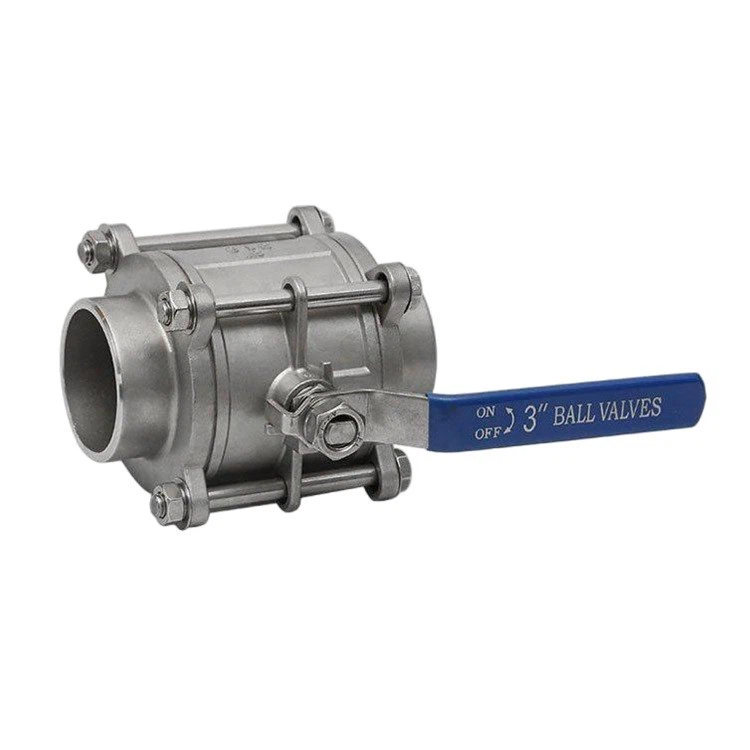
Before discussing abrasion resistance, it's essential to understand what two - piece ball valves are. A Two - piece Ball Valve consists of two main parts: the body and the end cap. This design allows for easy maintenance and repair, as the valve can be disassembled without removing it from the pipeline. The ball inside the valve rotates to control the flow of fluid, and the seats provide a seal to prevent leakage.
Factors Affecting Abrasion Resistance
Several factors contribute to the abrasion resistance of two - piece ball valves:

- Material Selection
- The materials used in the construction of the valve play a crucial role in its abrasion resistance. For the valve body, common materials include stainless steel, carbon steel, and brass. Stainless steel is often preferred in abrasive applications due to its high corrosion and abrasion resistance. The ball and seats are also critical components. Hardened stainless steel, ceramic, or other wear - resistant materials can be used for the ball and seats to enhance abrasion resistance. For example, ceramic balls are extremely hard and can withstand high - velocity abrasive particle impacts better than metal balls.
- Surface Finish
- A smooth surface finish on the ball and seats can reduce the friction between the valve components and the flowing fluid containing abrasive particles. A polished surface minimizes the chances of abrasive particles getting trapped and causing wear. Special surface treatments, such as nitriding or coating, can be applied to further improve the surface hardness and smoothness of the valve parts.
- Design Features
- The design of the two - piece ball valve can influence its abrasion resistance. For instance, a full - port design, where the bore of the valve is the same size as the pipeline, allows for a more streamlined flow of fluid. This reduces the turbulence and the likelihood of abrasive particles colliding with the valve walls. Additionally, the shape of the ball and seats can be optimized to minimize the impact of abrasive particles.
Performance in Abrasive Environments
Two - piece ball valves can perform well in a variety of abrasive environments, but their effectiveness depends on the specific conditions.
- Low - Abrasion Environments
- In low - abrasion environments, such as applications with clean water or mildly abrasive slurries, standard two - piece ball valves made of stainless steel can provide long - term service. The smooth internal surfaces and the durability of stainless steel ensure that the valve can withstand the minor abrasive forces without significant wear.
- High - Abrasion Environments
- In high - abrasion environments, such as mining, cement production, or sandblasting applications, more specialized two - piece ball valves are required. Valves with ceramic balls and seats or those with hard - coated surfaces are better suited for these conditions. These valves can resist the impact of high - velocity abrasive particles and maintain their performance over an extended period. However, it's important to note that even in high - abrasion - resistant valves, regular maintenance and inspection are necessary to ensure optimal performance.
Comparison with Other Ball Valve Types
When considering abrasion resistance, it's useful to compare two - piece ball valves with other types of ball valves, such as One - piece Ball Valve and Three - piece Ball Valve.
- One - piece Ball Valve
- One - piece ball valves are generally less expensive and more compact than two - piece ball valves. However, their design makes them less suitable for abrasive applications. Since they are a single - piece construction, disassembly for maintenance is difficult, and if abrasion occurs, the entire valve may need to be replaced.
- Three - piece Ball Valve
- Three - piece ball valves offer excellent maintenance access, similar to two - piece ball valves. They can also be designed with high - abrasion - resistant materials. However, the additional parts in the three - piece design may introduce more potential leak points compared to two - piece ball valves.
Maintenance and Longevity
Proper maintenance is essential for maximizing the abrasion resistance and longevity of two - piece ball valves. Regular inspection of the ball, seats, and valve body can help detect early signs of wear. If wear is detected, the worn parts can be replaced, which is relatively easy with the two - piece design. Additionally, flushing the valve with clean fluid periodically can help remove any accumulated abrasive particles.
Conclusion
In conclusion, two - piece ball valves can be highly resistant to abrasion, depending on the material selection, surface finish, and design features. They offer a good balance between performance, maintenance, and cost in a wide range of applications. In low - abrasion environments, standard two - piece ball valves can provide reliable service, while in high - abrasion environments, specialized valves with wear - resistant materials are necessary.
If you are looking for high - quality two - piece ball valves for your abrasive applications, we are here to help. Our team of experts can assist you in selecting the right valve based on your specific requirements. Contact us to start a procurement discussion and find the best solution for your industrial needs.
References
- ASME B16.34 - Valve Flanged, Threaded, and Welding End.
- API 6D - Pipeline Valves - Specification for Pipeline Valves.
- ISO 5208 - Industrial Valves - Pressure Testing of Valves.


