


Are two - piece ball valves suitable for chemical processing plants?
In the highly specialized and demanding environment of chemical processing plants, the selection of appropriate valves is crucial for ensuring operational safety, efficiency, and reliability. As a supplier of Two - piece Ball Valve, I am often asked whether two - piece ball valves are suitable for these facilities. In this blog, I will explore the characteristics of two - piece ball valves and analyze their suitability for chemical processing plants.
Understanding Two - Piece Ball Valves
Two - piece ball valves are a type of quarter - turn valve that uses a ball with a hole in the middle to control the flow of fluid. The valve body is composed of two main parts, which are usually bolted or threaded together. This design offers several advantages compared to other types of ball valves, such as One - piece Ball Valve and Three - piece Ball Valve.
One of the key features of two - piece ball valves is their relatively simple construction. With only two parts, the valve is easier to manufacture, assemble, and disassemble compared to three - piece ball valves. This simplicity also translates into lower production costs, making two - piece ball valves a cost - effective option for many applications.
Another advantage of two - piece ball valves is their compact size. The two - piece design allows for a more streamlined and space - saving configuration, which is particularly beneficial in chemical processing plants where space is often limited. The compact size also reduces the weight of the valve, making it easier to install and handle.
Suitability for Chemical Processing Plants
Chemical Resistance
Chemical processing plants handle a wide range of corrosive and aggressive chemicals, so the chemical resistance of valves is of utmost importance. Two - piece ball valves can be made from a variety of materials, including stainless steel, brass, and PVC, each with different levels of chemical resistance. For example, stainless steel two - piece ball valves are highly resistant to corrosion and can withstand a wide range of acids, alkalis, and other chemicals. This makes them suitable for use in many chemical processing applications, such as the handling of acids in the production of fertilizers or the transfer of caustic solutions in the pulp and paper industry.
Sealing Performance
Good sealing performance is essential in chemical processing plants to prevent leaks and ensure the safety of the process. Two - piece ball valves typically use a soft seat, such as PTFE (polytetrafluoroethylene), which provides excellent sealing properties. The soft seat conforms to the surface of the ball, creating a tight seal that can prevent the leakage of fluids even under high pressure. This is particularly important in chemical processing, where even a small leak can cause significant environmental and safety hazards.
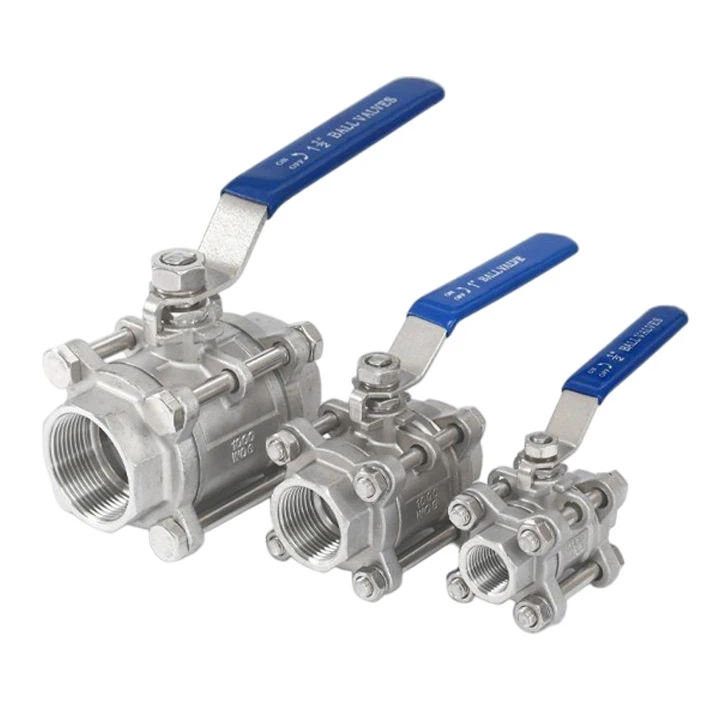

Flow Control
In chemical processing plants, precise flow control is often required to ensure the quality and consistency of the products. Two - piece ball valves offer excellent flow control capabilities, thanks to their quarter - turn operation. The ball can be easily rotated 90 degrees to fully open or close the valve, or it can be adjusted to a specific position to regulate the flow rate. This allows for accurate control of the chemical processes, improving the efficiency and productivity of the plant.
Maintenance and Repair
Maintenance and repair are inevitable in any industrial facility, and chemical processing plants are no exception. The relatively simple design of two - piece ball valves makes them easier to maintain and repair compared to other types of valves. If a component of the valve fails, it can be easily replaced without having to replace the entire valve. This reduces downtime and maintenance costs, ensuring the continuous operation of the chemical processing plant.
Limitations and Considerations
While two - piece ball valves offer many advantages for chemical processing plants, there are also some limitations and considerations that need to be taken into account.
High - Pressure Applications
Although two - piece ball valves can handle moderate pressures, they may not be suitable for extremely high - pressure applications. The two - piece design may not provide sufficient strength and stability to withstand very high pressures, and there is a risk of leakage or failure under such conditions. In high - pressure chemical processing applications, three - piece ball valves or other types of high - pressure valves may be more appropriate.
Abrasive Fluids
If the chemical processing plant handles abrasive fluids, such as slurries or fluids containing solid particles, two - piece ball valves may experience wear and tear more quickly. The soft seat of the valve can be damaged by the abrasive particles, leading to reduced sealing performance and increased leakage. In such cases, valves with hard seats or special coatings may be required to improve the wear resistance of the valve.
Conclusion
In conclusion, two - piece ball valves can be a suitable option for many chemical processing plants. Their chemical resistance, sealing performance, flow control capabilities, and ease of maintenance make them a cost - effective and reliable choice for a wide range of chemical processing applications. However, it is important to carefully consider the specific requirements of the plant, such as the type of chemicals handled, the pressure and temperature conditions, and the presence of abrasive fluids, before selecting a valve.
If you are in the chemical processing industry and are considering using two - piece ball valves for your plant, I encourage you to contact me to discuss your specific needs. I can provide you with detailed information about our Two - piece Ball Valve products, including their features, specifications, and performance, and help you make an informed decision. Let's work together to ensure the safe and efficient operation of your chemical processing plant.
References
- ASME B16.34 - Valve Flanges and Fittings - Flanged, Threaded, and Welding End
- API 6D - Specification for Pipeline Valves
- ISO 5208 - Industrial valves - Pressure testing of valves


