


Hey there! As a supplier of One - piece Ball Valves, I often get asked whether these valves can be used in a cryogenic environment. It's a super important question, especially for industries that deal with extremely low temperatures, like the LNG (liquefied natural gas) industry, medical gas storage, and some high - tech research facilities. So, let's dive right in and explore this topic.
First off, let's quickly understand what a One - piece Ball Valve is. A One - piece Ball Valve is a type of valve that has a single, solid body. It's designed with a ball inside that rotates to control the flow of fluid. When the ball's hole aligns with the pipe, the fluid can flow through. When the ball is turned, the hole is blocked, and the flow stops. It's a simple yet effective design that's widely used in many applications.
Now, what makes a cryogenic environment so challenging for valves? Cryogenic temperatures are typically defined as below -150°C (-238°F). At these extremely low temperatures, materials can become brittle and lose their flexibility. This means that regular valves, which are designed for normal temperature ranges, might crack or fail in a cryogenic environment.
So, can a One - piece Ball Valve handle these frigid conditions? Well, it depends on a few factors.
Material Selection
The most crucial factor is the material used to make the valve. For cryogenic applications, special materials are needed. Stainless steel, especially grades like 304L and 316L, is a popular choice. These materials have good ductility at low temperatures, which means they can bend and stretch a bit without breaking. They also have excellent corrosion resistance, which is important since cryogenic fluids can sometimes be corrosive.
Another material option is nickel - based alloys. Alloys like Inconel are known for their high strength and resistance to thermal shock at cryogenic temperatures. They can withstand the rapid temperature changes that often occur in cryogenic systems without cracking.
As a supplier, we make sure that our One - piece Ball Valves for cryogenic use are made from these suitable materials. We source high - quality raw materials and perform strict quality control checks to ensure that the valves can handle the extreme cold.
Design Considerations
The design of the One - piece Ball Valve also plays a big role in its cryogenic performance. The valve needs to be designed to minimize heat transfer. This is because any heat that enters the cryogenic system can cause the fluid to boil off, leading to pressure changes and potential system failures.
One way to reduce heat transfer is by using long - stem designs. The long stem acts as a thermal barrier, preventing heat from the outside environment from reaching the cryogenic fluid inside the valve. Additionally, the valve seats and seals need to be designed to maintain a tight seal at low temperatures. Special elastomers or soft - seat materials that can remain flexible in the cold are often used.
We've spent a lot of time perfecting the design of our One - piece Ball Valves for cryogenic applications. Our engineers have conducted numerous tests and simulations to optimize the valve's performance in extreme cold.
Comparison with Other Ball Valve Types
You might be wondering how One - piece Ball Valves compare to Two - piece Ball Valves and Three - piece Ball Valves in cryogenic environments.
Two - piece Ball Valves have a body that's made up of two parts, which are usually bolted together. While they offer some advantages, like easier maintenance and repair, they also have more potential leak points compared to One - piece Ball Valves. In a cryogenic environment, even a small leak can be a big problem, as it can lead to fluid loss and potential safety hazards.
Three - piece Ball Valves, on the other hand, have a body made up of three parts. They are very easy to disassemble for cleaning and maintenance. However, like Two - piece Ball Valves, they also have more joints, which can increase the risk of leakage at low temperatures.
One - piece Ball Valves, with their single, solid body, have fewer potential leak points. This makes them a good choice for cryogenic applications where leakage prevention is crucial.
Testing and Certification
Before we supply our One - piece Ball Valves for cryogenic use, we subject them to rigorous testing. We test the valves at cryogenic temperatures to ensure that they can open and close smoothly, maintain a tight seal, and withstand the pressure of the cryogenic fluid.
We also make sure that our valves meet industry standards and certifications. For example, in the LNG industry, valves need to meet standards like API 6D and ISO 14313. These standards ensure that the valves are safe and reliable for use in cryogenic systems.
Real - World Applications
One - piece Ball Valves are already being used in many cryogenic applications around the world. In LNG terminals, they are used to control the flow of liquefied natural gas during loading and unloading operations. In medical gas storage facilities, they help regulate the flow of cryogenic gases like liquid nitrogen and liquid oxygen.
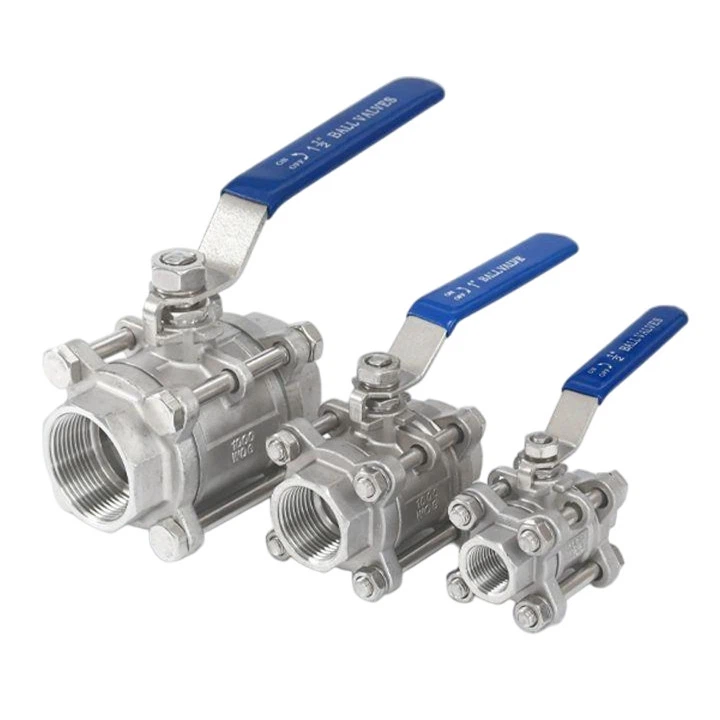

These applications prove that One - piece Ball Valves can indeed be used effectively in cryogenic environments when they are properly designed and made from the right materials.
Conclusion
So, to answer the question, yes, a One - piece Ball Valve can be used in a cryogenic environment. But it's not as simple as just using any old valve. The valve needs to be made from suitable materials, have a well - designed structure, and pass strict testing and certification.
As a supplier of One - piece Ball Valves, we are committed to providing high - quality valves that can meet the challenges of cryogenic applications. If you're in an industry that requires valves for cryogenic use, we'd love to have a chat with you. We can help you choose the right valve for your specific needs and provide you with all the technical support you need.
Whether you're just starting a new project or looking to replace existing valves, don't hesitate to reach out. We're here to make sure that your cryogenic systems run smoothly and safely.
References
- API 6D - Specification for Pipeline Valves
- ISO 14313 - Petroleum and natural gas industries — Pipeline transportation systems — Pipeline valves
- ASME B31.3 - Process Piping Code


