


When it comes to irrigation systems, the choice of valves plays a crucial role in ensuring efficient water distribution and system reliability. One type of valve that often comes into consideration is the two - piece ball valve. As a supplier of Two-piece Ball Valve, I am well - versed in the capabilities and limitations of these valves in irrigation applications. In this blog, we will explore whether a two - piece ball valve can be effectively used for irrigation systems.
Understanding Two - Piece Ball Valves
Before delving into their suitability for irrigation, it's important to understand what two - piece ball valves are. A two - piece ball valve consists of two main parts that are joined together. The ball, which is the core component responsible for controlling the flow of fluid, is housed within these two pieces. When the valve is open, the hole in the ball aligns with the pipe, allowing fluid to pass through. When the valve is closed, the ball is rotated so that the hole is perpendicular to the pipe, blocking the flow.
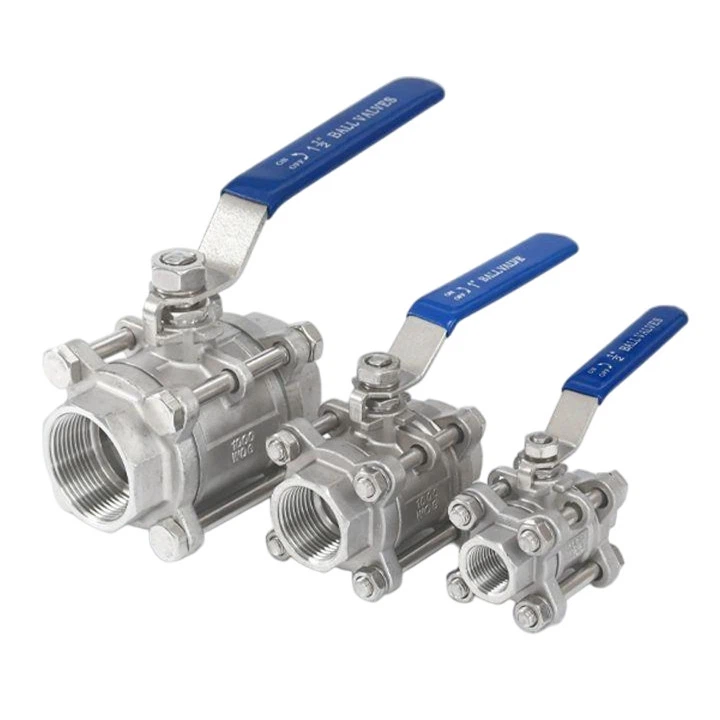
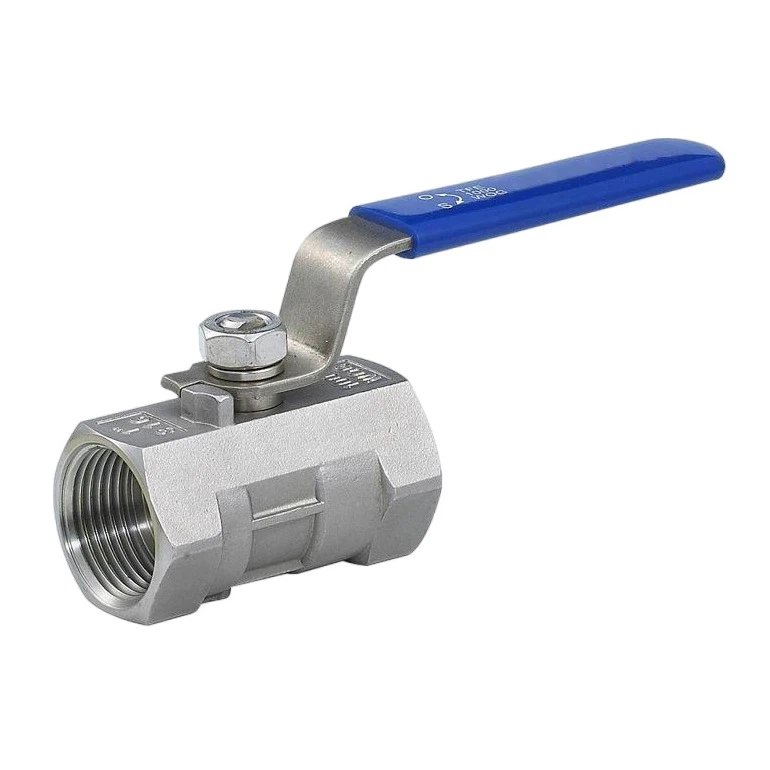
Compared to One-piece Ball Valve and Three-piece Ball Valve, two - piece ball valves offer a balance between cost - effectiveness and serviceability. One - piece ball valves are generally the least expensive but are often not repairable. Three - piece ball valves, on the other hand, are highly serviceable as they can be easily disassembled for maintenance or repair, but they are also more costly. Two - piece ball valves can be disassembled to a certain extent, which allows for some maintenance work, and they are priced more affordably than three - piece ball valves.
Advantages of Using Two - Piece Ball Valves in Irrigation Systems
1. Durability
Irrigation systems are often exposed to various environmental conditions, including dirt, dust, and water with different levels of impurities. Two - piece ball valves are typically made of materials such as brass, stainless steel, or PVC, which are resistant to corrosion and wear. For example, brass two - piece ball valves are known for their excellent resistance to water corrosion, making them suitable for long - term use in irrigation systems. This durability ensures that the valves can withstand the harsh conditions of irrigation applications without frequent replacements.
2. Good Flow Control
In irrigation, precise control of water flow is essential to ensure that each area of the field or garden receives the right amount of water. Two - piece ball valves provide a full - port design, which means that the hole in the ball is the same size as the pipe's inner diameter. This results in minimal pressure drop across the valve, allowing for efficient water flow. The quarter - turn operation of the ball valve also enables quick and easy opening and closing, making it convenient for operators to adjust the water flow as needed.
3. Cost - Effectiveness
For large - scale irrigation projects, cost is a significant factor. Two - piece ball valves offer a cost - effective solution compared to some other types of valves. Their relatively lower price, combined with their durability and functionality, makes them an attractive option for farmers and landscapers who need to install multiple valves in their irrigation systems.
4. Ease of Installation
Two - piece ball valves are relatively easy to install. They can be connected to pipes using threaded or flanged connections, depending on the specific requirements of the irrigation system. The simple design of the two - piece construction makes the installation process straightforward, even for those with limited plumbing experience.
Potential Challenges and Considerations
1. Limited Maintenance
While two - piece ball valves can be disassembled to a certain extent, they do not offer the same level of serviceability as three - piece ball valves. If a major component inside the valve, such as the ball or the seat, is damaged, it may be more difficult to repair compared to a three - piece valve. In some cases, the entire valve may need to be replaced, which can be a drawback, especially for large - scale irrigation systems where downtime can be costly.
2. Water Hammer
Water hammer is a phenomenon that occurs when the flow of water in a pipe is suddenly stopped or changed. In irrigation systems, this can happen when a valve is quickly closed. Two - piece ball valves, with their quarter - turn operation, can contribute to water hammer if not properly managed. Water hammer can cause damage to the pipes, fittings, and other components of the irrigation system. To mitigate this issue, additional measures such as installing water hammer arrestors may be required.
3. Compatibility with Irrigation Controllers
In modern irrigation systems, many are equipped with automated controllers that can adjust the water flow based on factors such as time, weather conditions, and soil moisture. Two - piece ball valves need to be compatible with these controllers to ensure seamless operation. Some basic two - piece ball valves may not be suitable for direct integration with advanced irrigation controllers, and additional components or modifications may be necessary.
Real - World Applications and Success Stories
In many agricultural and landscaping projects, two - piece ball valves have been successfully used in irrigation systems. For example, in a large - scale vegetable farm, two - piece ball valves were installed to control the water flow to different sections of the fields. The farmers were able to achieve precise water distribution, which improved the crop yield and reduced water waste. The durability of the valves also meant that they did not have to worry about frequent replacements, saving them time and money in the long run.
In a residential garden irrigation system, two - piece ball valves were used to control the water supply to different zones of the garden. The ease of installation and operation made it convenient for the homeowner to manage the irrigation process. The cost - effectiveness of the valves also made the project more budget - friendly.
Conclusion
In conclusion, two - piece ball valves can be a viable option for irrigation systems. They offer several advantages, including durability, good flow control, cost - effectiveness, and ease of installation. However, there are also some potential challenges that need to be considered, such as limited maintenance, water hammer, and compatibility with irrigation controllers.
If you are planning an irrigation project and are considering using two - piece ball valves, it's important to carefully evaluate your specific requirements. Consider factors such as the size of the system, the level of maintenance you can perform, and the need for automation. As a supplier of high - quality Two-piece Ball Valve, I am more than happy to assist you in making the right choice for your irrigation system. Whether you have questions about the product specifications, installation, or maintenance, feel free to reach out. We can discuss your project in detail and provide you with the best solutions. Don't hesitate to contact us for further information and to start the procurement negotiation process.
References
- ASPE Plumbing Engineering Design Handbook.
- Irrigation Association Standards and Guidelines.
- Manufacturer's product manuals for two - piece ball valves.


