


Can a Wafer Check Valve be Used in a Slurry System?
As a supplier of wafer check valves, I often get asked whether our products can be used in slurry systems. This is a crucial question because slurry systems present unique challenges that require careful consideration when selecting valves. In this blog post, I'll explore the feasibility of using wafer check valves in slurry systems, discussing the advantages, potential issues, and best practices.
Understanding Slurry Systems
Before delving into the suitability of wafer check valves, it's important to understand what slurry systems are. A slurry is a mixture of solid particles suspended in a liquid, typically water. Slurry systems are widely used in various industries, such as mining, chemical processing, and wastewater treatment. These systems transport slurries through pipes, and the properties of the slurry, including particle size, concentration, and abrasiveness, can vary significantly depending on the application.
Advantages of Using Wafer Check Valves in Slurry Systems
Wafer check valves offer several advantages that make them a potential option for slurry systems:
- Compact Design: Wafer check valves are designed to fit between two flanges, taking up minimal space in the pipeline. This compact design is beneficial in slurry systems where space may be limited, allowing for more efficient use of the available area.
- Low Pressure Drop: These valves typically have a low pressure drop across the valve, which helps to maintain the flow of the slurry through the system. Minimizing pressure drop is important in slurry systems to reduce energy consumption and ensure efficient operation.
- Quick Closing Action: Wafer check valves are designed to close quickly when the flow reverses, preventing backflow and protecting the system from damage. This quick closing action is essential in slurry systems to prevent the settling of solid particles in the pipeline, which can lead to blockages and reduced flow efficiency.
Potential Issues with Using Wafer Check Valves in Slurry Systems
While wafer check valves offer some advantages, there are also potential issues that need to be considered when using them in slurry systems:
- Abrasion: Slurries can be highly abrasive, especially those containing hard particles such as sand or minerals. The constant flow of abrasive particles can cause wear and tear on the valve components, leading to reduced valve performance and a shorter service life. To mitigate this issue, it's important to select a wafer check valve with materials that are resistant to abrasion. For example, our Carbon Steel Fully Lined EPDM Wafer Check Valve features a fully lined EPDM rubber interior, which provides excellent abrasion resistance and protection for the valve body.
- Particle Accumulation: Solid particles in the slurry can accumulate in the valve, causing the valve to stick or fail to close properly. This can lead to backflow and reduced system efficiency. To prevent particle accumulation, it's important to select a wafer check valve with a design that minimizes the risk of particle trapping. Our CS Wafer Check Valve features a streamlined design that helps to prevent particle buildup and ensures smooth operation in slurry systems.
- Sealing Integrity: Maintaining a proper seal is crucial in slurry systems to prevent leakage and ensure the efficient operation of the valve. The abrasive nature of slurries can damage the valve seats and seals, leading to reduced sealing integrity. To address this issue, it's important to select a wafer check valve with high-quality seals and seats that are designed to withstand the harsh conditions of slurry systems. Our 304SS Disc Wafer Check Valve features a 304 stainless steel disc and a resilient seat, which provides excellent sealing performance and durability in slurry applications.
Best Practices for Using Wafer Check Valves in Slurry Systems
To ensure the successful use of wafer check valves in slurry systems, it's important to follow these best practices:
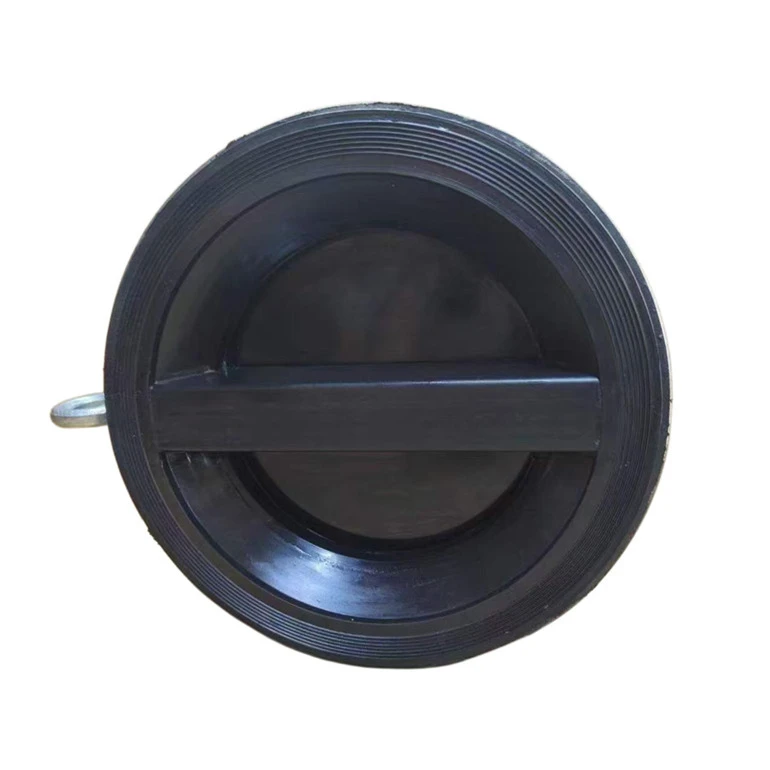

- Proper Valve Selection: Select a wafer check valve that is specifically designed for use in slurry systems. Consider the properties of the slurry, such as particle size, concentration, and abrasiveness, when choosing the valve materials and design.
- Regular Maintenance: Implement a regular maintenance schedule to inspect and clean the valve components. This will help to prevent the accumulation of solid particles and ensure the proper operation of the valve.
- Monitoring and Inspection: Continuously monitor the performance of the valve and the slurry system. Look for signs of wear, leakage, or reduced flow efficiency, and take appropriate action if any issues are detected.
- Proper Installation: Ensure that the wafer check valve is installed correctly, following the manufacturer's instructions. Proper installation is crucial to ensure the proper operation of the valve and to prevent damage to the valve components.
Conclusion
In conclusion, wafer check valves can be used in slurry systems, but careful consideration must be given to the specific requirements of the application. While they offer some advantages, such as compact design, low pressure drop, and quick closing action, there are also potential issues, such as abrasion, particle accumulation, and sealing integrity. By selecting the right valve materials and design, following best practices for installation and maintenance, and monitoring the performance of the valve and the system, it is possible to use wafer check valves effectively in slurry systems.
If you're considering using wafer check valves in your slurry system, I encourage you to contact us to discuss your specific requirements. Our team of experts can help you select the right valve for your application and provide you with the support and guidance you need to ensure the successful operation of your slurry system.
References
- "Valve Selection for Slurry Applications," Valve World Magazine
- "Abrasion-Resistant Materials for Valve Components," Journal of Materials Engineering and Performance
- "Best Practices for Maintaining Valves in Slurry Systems," Chemical Engineering Progress


