


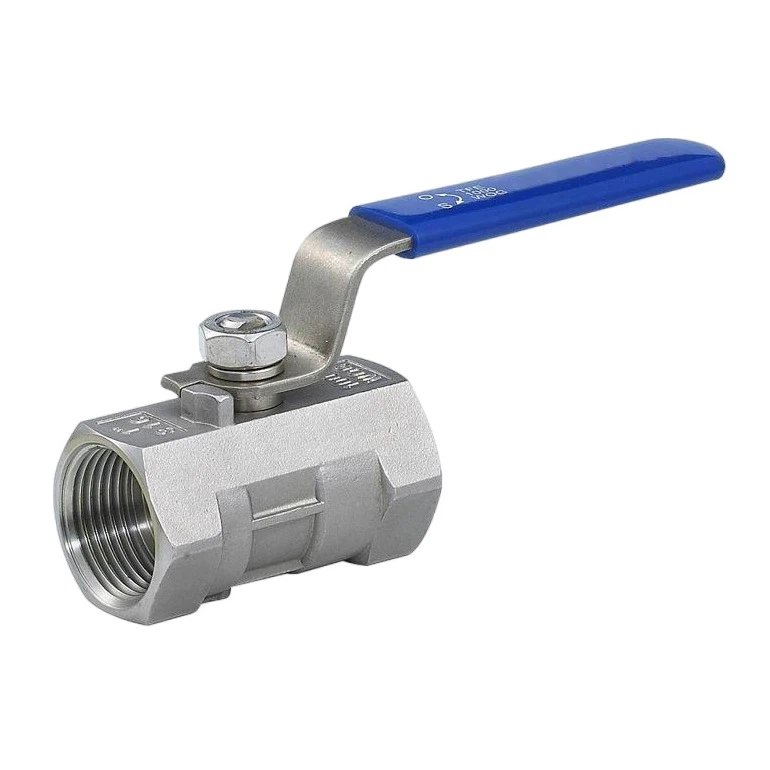
In the world of industrial valves, ball valves are renowned for their reliability, efficiency, and versatility. Among the different types of ball valves, the One - piece Ball Valve stands out for its simplicity and cost - effectiveness. As a trusted One - piece Ball Valve supplier, I've witnessed firsthand how the choice of ball material can significantly impact the performance of these valves. In this blog, we'll explore the various ways in which ball material influences the functionality, durability, and overall performance of One - piece Ball Valves.
1. Sealing Performance
The sealing performance of a One - piece Ball Valve is crucial for preventing leakage and ensuring the proper flow control of fluids. Different ball materials offer varying degrees of sealing capabilities.
Metallic ball materials such as stainless steel are commonly used in One - piece Ball Valves. Stainless steel balls provide excellent mechanical strength and corrosion resistance. When paired with appropriate seat materials, they can form a tight seal, even under high - pressure conditions. The smooth surface finish of stainless steel balls reduces friction, allowing for easy operation and minimizing wear on the seats. This results in a reliable sealing performance over an extended period.
On the other hand, non - metallic ball materials like PTFE (Polytetrafluoroethylene) are known for their self - lubricating properties and chemical inertness. PTFE balls can create a very effective seal against soft seats, making them ideal for applications where chemical compatibility is a concern. However, PTFE has relatively lower mechanical strength compared to metallic materials, and it may deform under high pressures, which could potentially affect the sealing performance.
2. Flow Characteristics
The ball material can also have a significant impact on the flow characteristics of a One - piece Ball Valve. The internal surface roughness of the ball affects the fluid flow through the valve.
Metallic balls, especially those with a highly polished surface, offer low flow resistance. The smooth surface allows the fluid to flow freely through the valve, minimizing pressure drops. This is particularly important in applications where maintaining a high flow rate is essential, such as in large - scale industrial pipelines. For example, in a water supply system, a One - piece Ball Valve with a stainless - steel ball can ensure efficient water flow with minimal energy loss.
Non - metallic balls may have a different surface texture, which can influence the flow pattern. Some non - metallic materials may have a slightly rougher surface, which could cause minor turbulence in the fluid flow. While this may not be a significant issue in some applications, it can be a concern in systems where laminar flow is required, such as in certain chemical processing plants.
3. Durability and Wear Resistance
The durability of a One - piece Ball Valve is directly related to the wear resistance of the ball material. Different operating conditions, such as the type of fluid, pressure, and temperature, can cause varying degrees of wear on the ball.
Metallic balls, especially those made from high - grade alloys, are highly resistant to wear. They can withstand abrasive particles in the fluid without significant damage. For example, in a mining application where the fluid may contain sand and other abrasive materials, a One - piece Ball Valve with a hardened steel ball will have a longer service life compared to a valve with a non - metallic ball.
Non - metallic balls, however, may be more susceptible to wear in abrasive environments. PTFE balls, for instance, can be easily scratched by hard particles in the fluid, which can lead to a reduction in sealing performance over time. However, in non - abrasive and chemically aggressive environments, non - metallic balls can offer excellent durability due to their chemical resistance.
4. Chemical Compatibility
Chemical compatibility is a critical factor in choosing the right ball material for a One - piece Ball Valve. Different fluids can react with the ball material, leading to corrosion, degradation, or other forms of damage.
Metallic ball materials have different levels of chemical resistance. Stainless steel is resistant to many common chemicals, but it may corrode in highly acidic or alkaline environments. For applications involving strong acids or alkalis, special alloys such as Hastelloy or Inconel may be required. These alloys offer superior chemical resistance but come at a higher cost.
Non - metallic ball materials like PTFE are highly chemically inert and can withstand a wide range of corrosive chemicals. They are often used in the chemical industry, where the valves need to handle aggressive substances such as hydrochloric acid, sulfuric acid, and various organic solvents.
5. Temperature Resistance
The temperature of the fluid flowing through the One - piece Ball Valve can also affect the performance of the ball material. Different materials have different temperature limits.
Metallic balls generally have a higher temperature resistance compared to non - metallic materials. Stainless steel balls can operate at relatively high temperatures, typically up to several hundred degrees Celsius, depending on the specific grade of stainless steel. This makes them suitable for applications in high - temperature processes, such as in power plants or refineries.
Non - metallic balls, such as PTFE, have a lower temperature limit. PTFE starts to soften at around 260°C, which restricts its use in high - temperature applications. However, there are some modified non - metallic materials that can withstand higher temperatures, but they may have other limitations in terms of cost or mechanical properties.
Comparison with Other Types of Ball Valves
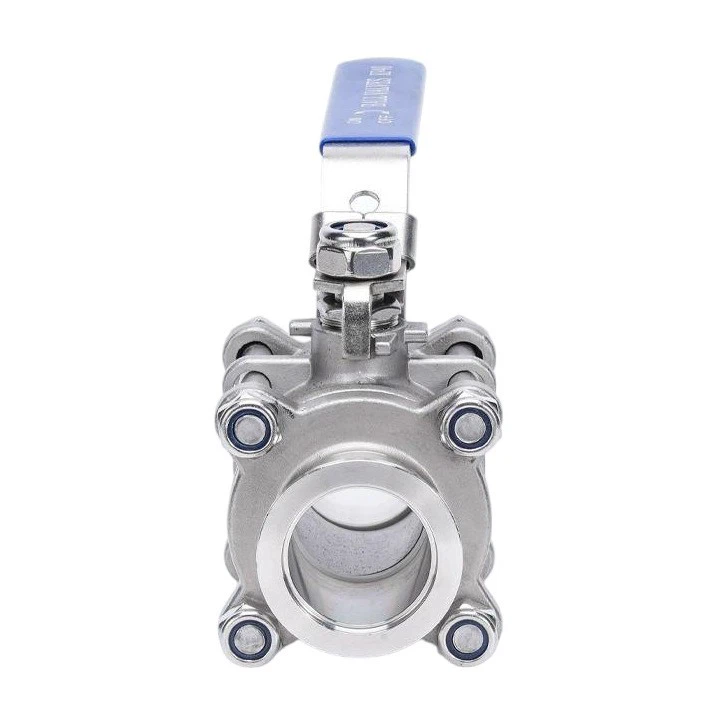
It's also interesting to compare the performance of One - piece Ball Valves with other types of ball valves, such as Three - piece Ball Valve and Two - piece Ball Valve.
One - piece Ball Valves are typically more compact and cost - effective compared to three - piece and two - piece ball valves. However, the choice of ball material still plays a crucial role in their performance. Three - piece and two - piece ball valves offer more flexibility in terms of maintenance and repair, as they can be disassembled more easily. But regardless of the valve type, the ball material's impact on sealing, flow, durability, chemical compatibility, and temperature resistance remains significant.
Conclusion
As a One - piece Ball Valve supplier, I understand the importance of choosing the right ball material for each application. The ball material can have a profound impact on the performance of the valve, affecting its sealing capabilities, flow characteristics, durability, chemical compatibility, and temperature resistance. By carefully considering these factors, customers can select the most suitable One - piece Ball Valve for their specific needs.
If you're in the market for high - quality One - piece Ball Valves and want to discuss the best ball material for your application, I encourage you to reach out for a procurement discussion. Our team of experts is ready to assist you in making the right choice. Visit our One - piece Ball Valve page to learn more about our products.
References
- "Valve Handbook" by J. F. Monks
- "Industrial Valves: Selection and Sizing" by R. W. Miller
- Technical literature from valve manufacturers


