


How does the sealing material of a three - piece ball valve affect its performance?
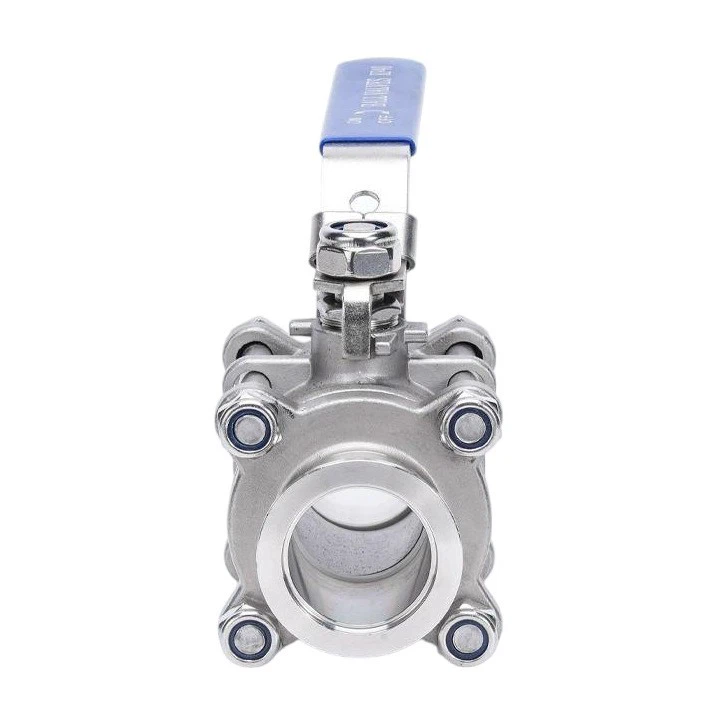
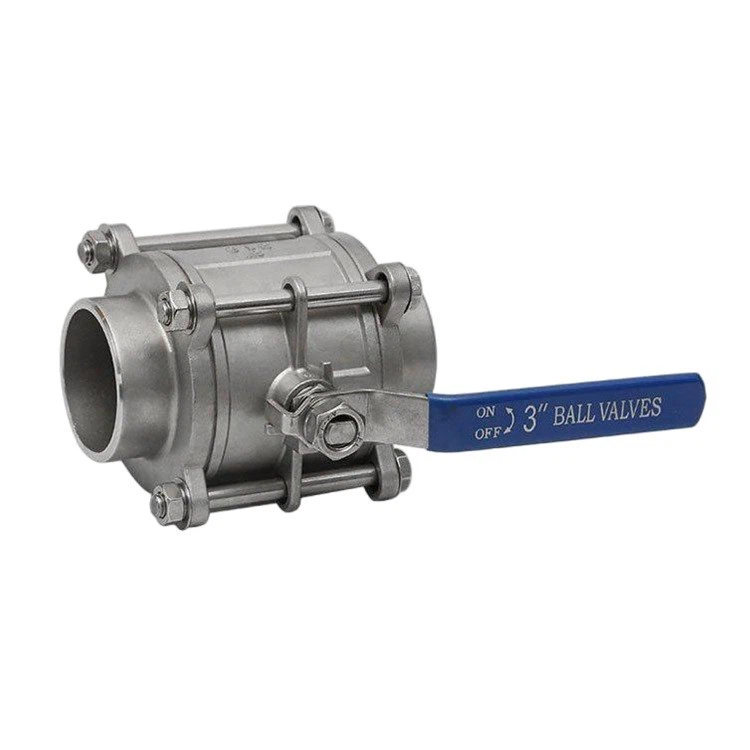
As a seasoned supplier of Three-piece Ball Valve, I've witnessed firsthand the pivotal role that sealing materials play in the performance of these valves. Three-piece ball valves are widely used in various industries due to their durability, ease of maintenance, and reliable performance. However, the choice of sealing material can significantly impact their functionality, lifespan, and suitability for different applications.
1. Basics of Sealing in Three - piece Ball Valves
Before delving into the influence of sealing materials, it's essential to understand the basic sealing mechanism in three - piece ball valves. These valves consist of a ball with a hole in the center, which rotates within the valve body to control the flow of fluid. The sealing occurs when the ball's surface comes into contact with the valve seats, preventing the fluid from leaking through. The sealing material is used to create a tight and reliable seal between the ball and the seats.
2. Common Sealing Materials and Their Properties
Polytetrafluoroethylene (PTFE)
PTFE is one of the most commonly used sealing materials in three - piece ball valves. It is known for its excellent chemical resistance, low friction coefficient, and wide temperature range. PTFE can withstand a variety of corrosive chemicals, making it suitable for applications in the chemical, pharmaceutical, and food industries. Its low friction allows for smooth operation of the valve, reducing wear and tear on the ball and seats. However, PTFE has relatively low mechanical strength and can creep under high pressure, which may lead to a decrease in sealing performance over time.
Nitrile Rubber (NBR)
NBR is a synthetic rubber that offers good resistance to oil, fuel, and some chemicals. It has excellent flexibility and elasticity, which enables it to form a tight seal even under low pressure. NBR is commonly used in applications where the fluid is mainly oil - based, such as in the automotive and hydraulic industries. However, its chemical resistance is limited compared to PTFE, and it may not be suitable for applications involving strong acids or alkalis.
Ethylene Propylene Diene Monomer (EPDM)
EPDM is a rubber material with outstanding weather resistance, ozone resistance, and water resistance. It can operate in a wide temperature range and is often used in outdoor applications, such as in water treatment plants and irrigation systems. EPDM also has good electrical insulation properties, making it suitable for some electrical applications. However, like NBR, its chemical resistance is not as broad as PTFE, and it may not be suitable for applications with aggressive chemicals.
Graphite
Graphite is a high - temperature resistant sealing material. It can withstand extremely high temperatures, making it ideal for applications in the power generation, oil refining, and metallurgy industries. Graphite has good lubricity, which helps to reduce friction during valve operation. However, it is brittle and may require special handling during installation. Additionally, graphite may react with some chemicals, so its use needs to be carefully evaluated based on the specific application.
3. Impact of Sealing Materials on Valve Performance
Sealing Performance
The primary function of the sealing material is to prevent fluid leakage. A high - quality sealing material with good elasticity and chemical resistance can ensure a tight seal, even under high pressure and temperature conditions. For example, PTFE's chemical inertness allows it to maintain its sealing performance in corrosive environments, while graphite's high - temperature resistance makes it suitable for high - temperature applications. On the other hand, if the sealing material is not compatible with the fluid or the operating conditions, it may lead to leakage, which can cause safety hazards and economic losses.
Durability and Lifespan
The durability of the sealing material directly affects the lifespan of the three - piece ball valve. Materials with high mechanical strength and wear resistance can withstand the repeated opening and closing of the valve, reducing the frequency of maintenance and replacement. For instance, NBR's flexibility and elasticity make it less prone to cracking and tearing, which extends the valve's lifespan in oil - based applications. In contrast, a sealing material that is easily damaged by the fluid or the operating environment will require more frequent replacement, increasing the overall cost of ownership.
Operating Torque
The friction coefficient of the sealing material has a significant impact on the operating torque of the valve. A low - friction sealing material, such as PTFE, allows for easy operation of the valve, reducing the force required to open and close it. This not only improves the efficiency of the valve but also reduces the wear on the valve components. In contrast, a high - friction sealing material may require more force to operate the valve, which can lead to premature wear and tear on the ball and seats.
Compatibility with Fluids
The compatibility between the sealing material and the fluid being handled is crucial. If the sealing material is not resistant to the fluid, it may swell, dissolve, or degrade, which can compromise the sealing performance of the valve. For example, using NBR in an application with strong acids will cause the rubber to deteriorate rapidly, leading to leakage. Therefore, it is essential to select a sealing material that is compatible with the specific fluid to ensure the reliable operation of the valve.
4. Comparison with Other Valve Types
When comparing three - piece ball valves with Two-piece Ball Valve, the choice of sealing material also plays a role. Two - piece ball valves are generally more compact and less expensive than three - piece ball valves. However, three - piece ball valves offer better maintenance access, which is especially important when the sealing material needs to be replaced. In terms of sealing performance, both valve types can achieve high - quality seals with the appropriate sealing material.
Another type of valve is the Stainless Steel Flanged Ball Valve CF8/CF8M/CF3M. These valves are often used in high - pressure and high - temperature applications. The choice of sealing material for these valves is critical to ensure their reliable operation. Similar to three - piece ball valves, the sealing material needs to have good chemical resistance, high - temperature resistance, and mechanical strength.
5. Conclusion and Call to Action
In conclusion, the sealing material of a three - piece ball valve has a profound impact on its performance, including sealing performance, durability, operating torque, and compatibility with fluids. As a supplier, we understand the importance of selecting the right sealing material for each application. We offer a wide range of three - piece ball valves with different sealing materials to meet the diverse needs of our customers.
If you are in the market for high - quality three - piece ball valves or need advice on selecting the appropriate sealing material for your application, we invite you to contact us for a detailed discussion. Our team of experts is ready to assist you in making the best choice for your specific requirements.
References
- Valve Handbook, by J. S. Tuzson
- Sealing Technology for Valves, by R. K. Singh
- Chemical Resistance of Elastomers, by M. A. Spychaj


