


Hey there! As a supplier of Two-piece Ball Valves, I often get asked how to choose the right size for these valves. It's a crucial decision that can impact the performance and efficiency of your system. So, let's dive right in and explore the key factors you need to consider when selecting the appropriate size of a two-piece ball valve.
Flow Rate
One of the primary factors to think about is the flow rate of the fluid or gas that will pass through the valve. The flow rate is typically measured in gallons per minute (GPM) for liquids or cubic feet per minute (CFM) for gases. You need to determine the maximum flow rate your system will require. This can be based on the capacity of your pumps, the demand of your processes, or the specifications of your equipment.
If you choose a valve that's too small, it can restrict the flow, leading to pressure drops and reduced efficiency. On the other hand, a valve that's too large might not provide accurate control of the flow, and it can also be more expensive and take up more space. To find the right size, you can use flow rate charts provided by valve manufacturers. These charts usually show the relationship between the valve size, pressure drop, and flow rate.
Pressure Rating
Another important consideration is the pressure rating of the valve. The pressure rating indicates the maximum pressure the valve can handle safely. You need to know the maximum operating pressure in your system. This can be influenced by factors such as the type of fluid or gas, the elevation of the system, and the distance the fluid or gas needs to travel.
If the pressure in your system exceeds the valve's pressure rating, it can cause the valve to fail, leading to leaks or even dangerous situations. So, make sure to choose a two-piece ball valve with a pressure rating that is higher than the maximum operating pressure in your system. Most valve manufacturers clearly state the pressure ratings of their valves, so it's easy to find this information.

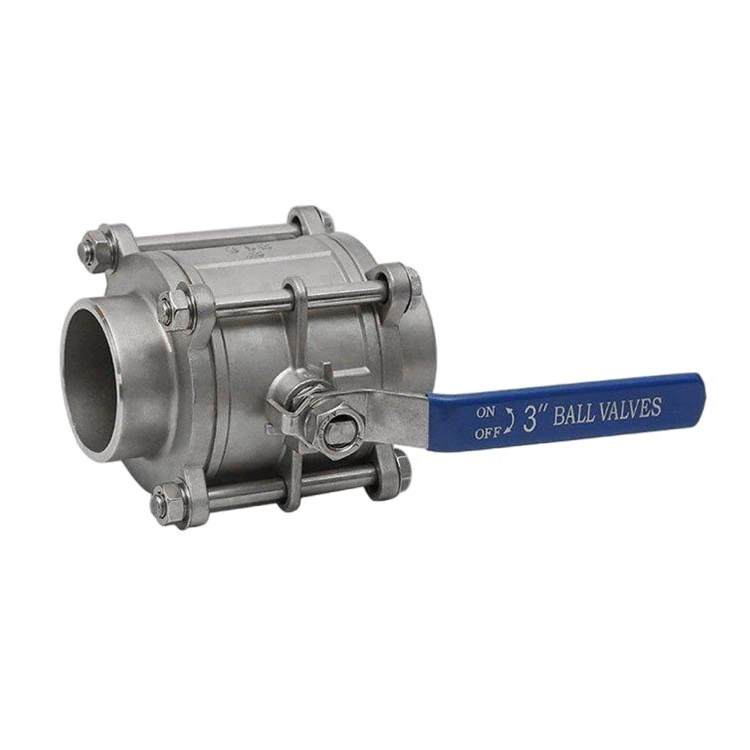
Pipe Size
The size of the pipes in your system also plays a significant role in choosing the right valve size. In most cases, you'll want to select a valve that has the same nominal size as the pipes it will be connected to. This ensures a proper fit and minimizes the risk of leaks.
However, there are situations where you might need to use a different valve size. For example, if you're trying to control the flow rate more precisely, you might choose a valve that's slightly smaller than the pipe size. But keep in mind that this can also increase the pressure drop. On the other hand, if you have a high flow rate and need to minimize the pressure drop, you might consider using a valve that's slightly larger than the pipe size.
Application Requirements
The specific application of the valve is another factor to consider. Different applications have different requirements. For example, in a water supply system, you might need a valve that can handle a relatively constant flow rate and pressure. In a chemical processing plant, the valve might need to be resistant to corrosion and able to handle high temperatures and pressures.
If you're using the valve in a critical application, such as a safety system, you'll want to choose a high-quality valve with a proven track record. You might also need to consider additional features, such as a locking mechanism or a position indicator.
Comparing with Other Types of Ball Valves
It's also worth comparing two-piece ball valves with other types of ball valves, like Three-piece Ball Valve and One-piece Ball Valve. Three-piece ball valves are known for their easy maintenance. They can be disassembled easily for cleaning or repair. One-piece ball valves, on the other hand, are more compact and often less expensive.
However, two-piece ball valves offer a good balance between cost, performance, and ease of installation. They are generally more affordable than three-piece ball valves and more reliable than one-piece ball valves. You can learn more about two-piece ball valves on our website Two-piece Ball Valve.
Material Compatibility
The material of the valve is crucial as well. You need to ensure that the valve material is compatible with the fluid or gas it will be in contact with. For example, if you're dealing with corrosive chemicals, you'll need a valve made of a corrosion-resistant material, such as stainless steel or PVC.
Different materials also have different temperature and pressure ratings. So, make sure to choose a material that can withstand the operating conditions in your system. Valve manufacturers usually provide information about the material compatibility of their valves, so you can make an informed decision.
Cost Considerations
Cost is always a factor when making any purchasing decision. While you don't want to compromise on quality, you also want to get the best value for your money. Two-piece ball valves are generally more cost-effective than three-piece ball valves, but they still offer good performance.
When comparing prices, make sure to consider the long-term costs as well. A more expensive valve might have a longer lifespan and require less maintenance, which can save you money in the long run.
Conclusion
Choosing the right size of a two-piece ball valve is a multi-faceted decision. You need to consider factors such as flow rate, pressure rating, pipe size, application requirements, material compatibility, and cost. By taking the time to evaluate these factors carefully, you can ensure that you select a valve that will perform well and meet the needs of your system.
If you're still unsure about which size of two-piece ball valve is right for you, don't hesitate to reach out to us. We're here to help you make the best choice for your application. Whether you're a small business or a large industrial operation, we can provide you with the right valve solutions. Contact us today to start the procurement process and get the perfect two-piece ball valve for your system.
References
- Valve Manufacturers' Catalogs
- Industry Standards and Guidelines for Valve Selection


