


Hey there! As a ball valve supplier, I've seen firsthand how crucial it is to have a ball valve with top - notch sealing performance. A good seal not only ensures the efficient operation of your system but also prevents leaks that can lead to all sorts of headaches, like wasted resources and potential safety hazards. So, let's dive into how you can improve the sealing performance of a ball valve.
1. Choose the Right Valve Type
First off, the type of ball valve you select plays a huge role in its sealing capabilities. There are different types out there, such as the One Piece Copper Ball Valve, Two - piece Ball Valve, and Three - piece Ball Valve.
One - piece copper ball valves are great for simple, low - pressure applications. They're cost - effective and usually have a good seal because they're made in one piece, which reduces the chances of leakage points. However, if you need more flexibility for maintenance or have a higher - pressure system, a two - piece or three - piece ball valve might be a better choice.
Two - piece ball valves are more common and can handle a wider range of pressures. They're designed to be disassembled for maintenance, which is a big plus. Three - piece ball valves offer even more flexibility. You can easily remove the middle section for cleaning or replacing internal parts without disturbing the entire pipeline. This makes them ideal for applications where you need to maintain the seal over a long period and perform regular maintenance.
2. Select the Appropriate Materials
The materials used in the construction of the ball valve are super important for sealing performance. The ball, seat, and body materials all need to be compatible with the fluid or gas that the valve will be handling.

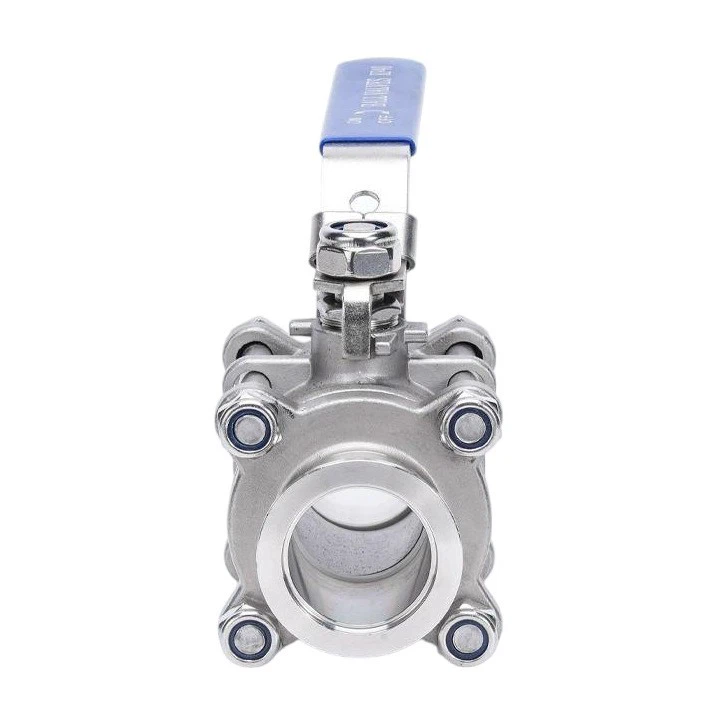
For the ball and seat, common materials include stainless steel, brass, and PTFE (polytetrafluoroethylene). Stainless steel is durable and resistant to corrosion, making it suitable for many industrial applications. Brass is a good choice for water systems and some low - corrosive environments. PTFE is known for its excellent chemical resistance and low friction, which helps create a tight seal.
The body material also matters. If you're dealing with a corrosive fluid, a valve with a corrosion - resistant body, like a stainless - steel or lined body, is essential. For example, in a chemical processing plant, you wouldn't want a valve made of a material that will corrode quickly, as this can compromise the seal.
3. Pay Attention to Installation
Proper installation is key to ensuring a good seal. First, make sure the pipeline is clean before installing the ball valve. Any debris or dirt can prevent the valve from seating properly and lead to leaks.
When tightening the valve connections, use the right torque. Over - tightening can damage the valve components, while under - tightening can result in a loose seal. Follow the manufacturer's torque specifications carefully.
Also, ensure that the valve is installed in the correct orientation. Most ball valves have an arrow indicating the flow direction. Installing the valve in the wrong direction can affect its sealing performance and may even cause damage to the valve over time.
4. Regular Maintenance
Maintenance is an ongoing process to keep the sealing performance of your ball valve in top shape. One of the most important maintenance tasks is lubrication. Lubricating the valve's moving parts, such as the ball and stem, can reduce friction and wear, which helps maintain a good seal.
Inspect the valve regularly for signs of wear or damage. Check the seat for any scratches or deformation. If you notice any issues, replace the damaged parts as soon as possible. A small scratch on the seat can lead to a significant leak over time.
Clean the valve periodically, especially if it's used in a dirty or corrosive environment. Remove any debris or build - up that could affect the valve's operation. This can be done by disassembling the valve (if it's a two - piece or three - piece design) and using a suitable cleaning agent.
5. Control the Operating Conditions
The operating conditions of the ball valve can have a big impact on its sealing performance. Make sure the pressure and temperature within the system are within the valve's rated limits. Operating a valve at a pressure or temperature higher than its rating can cause the valve components to expand or contract, which can break the seal.
Also, be aware of the flow rate. High - velocity flows can cause erosion of the valve components, especially the ball and seat. If you have a high - flow application, consider using a valve with a larger size or a design that can handle the flow better.
6. Use Proper Sealing Techniques
There are some additional sealing techniques that can be used to improve the performance of a ball valve. One common method is to use gaskets or O - rings. These can be placed between the valve body and the pipeline connections to create an extra layer of seal. Make sure to choose gaskets or O - rings made of materials that are compatible with the fluid and the operating conditions.
Another technique is to use a soft - seated ball valve. Soft - seated valves use a soft material, like rubber or PTFE, for the seat. This soft material can conform to the shape of the ball more easily, creating a tighter seal. However, soft - seated valves may have limitations in high - temperature or high - pressure applications.
7. Quality Assurance and Testing
Before installing a ball valve, it's important to ensure that it meets the required quality standards. Reputable suppliers, like us, perform various tests on the valves to ensure their sealing performance. These tests may include pressure tests, leak tests, and functional tests.
Pressure tests are used to check if the valve can withstand the specified pressure without leaking. Leak tests are more focused on detecting any small leaks that may not be visible to the naked eye. Functional tests ensure that the valve operates smoothly and that the ball rotates properly to open and close the valve.
In conclusion, improving the sealing performance of a ball valve involves a combination of choosing the right valve type, selecting appropriate materials, proper installation, regular maintenance, controlling operating conditions, using proper sealing techniques, and ensuring quality through testing.
If you're in the market for high - quality ball valves or need more advice on improving the sealing performance of your existing valves, don't hesitate to reach out. We're here to help you find the best solutions for your specific needs. Let's start a conversation and see how we can work together to ensure your systems run smoothly with reliable ball valves.
References
- Valve Handbook: A Guide to Valve Technology and Applications
- Industrial Valve Standards and Best Practices


