


As a seasoned supplier of three - piece ball valves, I've witnessed firsthand the critical role these components play in HVAC (Heating, Ventilation, and Air Conditioning) systems. In this blog, I'll share some insights on how to optimize the use of three - piece ball valves in HVAC applications, ensuring efficient and reliable operation.
Understanding the Basics of Three - piece Ball Valves
Before delving into optimization strategies, it's essential to understand what a three - piece ball valve is. A Three - piece Ball Valve consists of three main parts: two end caps and a body. This design allows for easy disassembly and maintenance, as the valve can be taken apart without removing the entire valve assembly from the pipeline. The ball inside the valve has a hole through it, and by rotating the ball a quarter - turn (90 degrees), the flow of fluid can be either allowed or blocked.
In HVAC systems, these valves are used to control the flow of various fluids, such as water, refrigerant, and air. They offer excellent shut - off capabilities, low pressure drop, and high durability, making them a popular choice for both residential and commercial HVAC installations.
Selecting the Right Three - piece Ball Valve for Your HVAC System
Material Compatibility
The first step in optimizing the use of a three - piece ball valve is to select the right material. In HVAC systems, the fluid being transported can vary widely in terms of temperature, pressure, and chemical composition. For example, if the system uses water as a coolant, a valve made of stainless steel or brass may be suitable. Stainless steel, such as Stainless Steel Flanged Ball Valve CF8/CF8M/CF3M, offers excellent corrosion resistance, making it ideal for long - term use in water - based HVAC systems. On the other hand, if the system deals with refrigerants, special materials that are compatible with the refrigerant's chemical properties need to be chosen.
Size and Flow Capacity
The size of the valve is another crucial factor. It should be selected based on the flow requirements of the HVAC system. A valve that is too small will cause excessive pressure drop, reducing the efficiency of the system. Conversely, a valve that is too large may be more expensive and may not provide accurate flow control. Calculating the required flow rate and pressure drop in the system is essential to determine the appropriate valve size.
Pressure and Temperature Ratings
HVAC systems operate under a wide range of pressures and temperatures. The three - piece ball valve must be rated to handle the maximum pressure and temperature conditions in the system. Exceeding these ratings can lead to valve failure, leaks, and potential safety hazards. Always check the manufacturer's specifications to ensure that the valve is suitable for the operating conditions of your HVAC system.
Installation Best Practices
Proper Alignment
During installation, it's crucial to ensure that the three - piece ball valve is properly aligned with the pipeline. Misalignment can cause stress on the valve body and seals, leading to premature wear and leaks. Use appropriate alignment tools and techniques to ensure that the valve is installed straight and level.
Sealing and Gaskets
The seals and gaskets in a three - piece ball valve are critical for preventing leaks. Use high - quality seals and gaskets that are compatible with the fluid and operating conditions in the HVAC system. When installing the valve, make sure that the seals are properly seated and tightened to the recommended torque. Over - tightening can damage the seals, while under - tightening can result in leaks.
Support and Bracing
Proper support and bracing of the valve are essential to prevent vibration and movement during operation. In HVAC systems, pipes can expand and contract due to temperature changes, and the valve needs to be able to withstand these movements without being damaged. Use appropriate pipe supports and brackets to secure the valve in place.
Operation and Maintenance
Regular Inspections
Regular inspections of the three - piece ball valve are necessary to detect any signs of wear, damage, or leaks. Check the valve body, seals, and connections for any visible cracks, corrosion, or loose fittings. Inspect the ball and stem for smooth operation and ensure that the valve can be opened and closed easily.
Lubrication
Some three - piece ball valves may require lubrication to ensure smooth operation. Use a lubricant that is compatible with the valve materials and the fluid in the system. Follow the manufacturer's recommendations for lubrication intervals and procedures.
Cleaning
Over time, debris and contaminants can accumulate inside the valve, affecting its performance. Periodically clean the valve to remove any dirt, scale, or other deposits. Use a suitable cleaning agent that is compatible with the valve materials.
Troubleshooting
If the valve is not operating correctly, it's important to troubleshoot the problem promptly. Common issues include leaks, difficulty in opening or closing the valve, and excessive pressure drop. Check the seals, gaskets, and connections for leaks. If the valve is difficult to operate, it may be due to a damaged ball or stem, or it may need lubrication.
Comparison with Other Types of Valves
One - piece Ball Valve
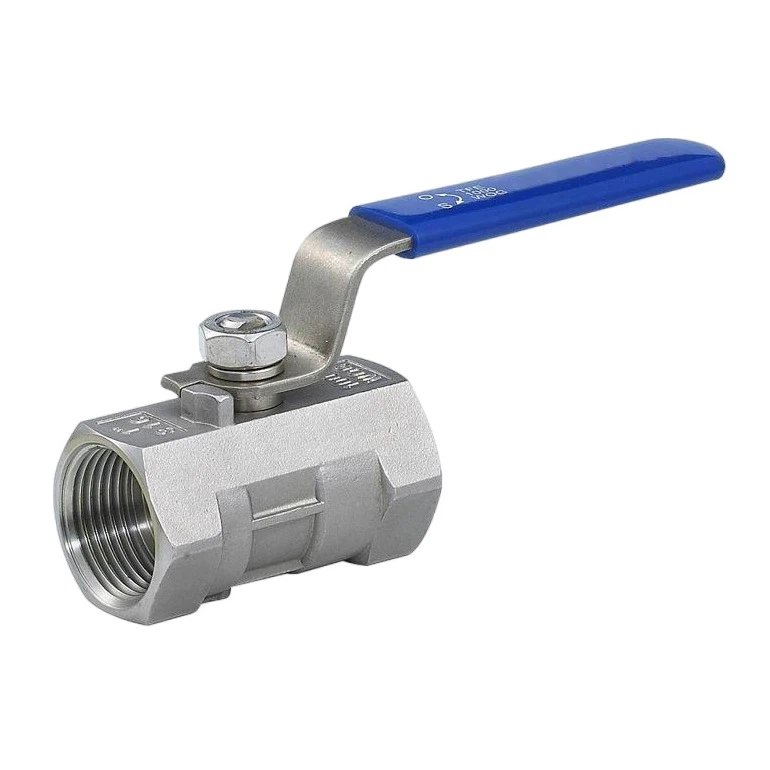
A One - piece Ball Valve is a simpler design compared to a three - piece ball valve. It is typically less expensive and has a more compact size. However, one - piece ball valves are not as easy to maintain as three - piece ball valves. If a problem occurs inside the valve, the entire valve may need to be replaced, which can be costly and time - consuming. In HVAC systems where maintenance is a priority, a three - piece ball valve is often a better choice.
Other Valve Types
There are other types of valves used in HVAC systems, such as gate valves, globe valves, and butterfly valves. Gate valves are mainly used for on - off service and are not suitable for throttling. Globe valves offer good throttling capabilities but have a higher pressure drop compared to ball valves. Butterfly valves are lightweight and have a low cost, but they may not provide as tight a shut - off as ball valves. Three - piece ball valves offer a good balance of performance, durability, and ease of maintenance, making them a popular choice for many HVAC applications.

Conclusion
Optimizing the use of a three - piece ball valve in a HVAC system requires careful selection, proper installation, and regular maintenance. By choosing the right valve material, size, and pressure and temperature ratings, and following best practices for installation and operation, you can ensure that the valve operates efficiently and reliably for many years.
If you're in the market for high - quality three - piece ball valves for your HVAC system, we're here to help. Our team of experts can assist you in selecting the right valve for your specific needs. Contact us to start a procurement discussion and take the first step towards optimizing your HVAC system.
References
- ASHRAE Handbook - HVAC Systems and Equipment.
- Valve Manufacturer's Technical Documents.


