


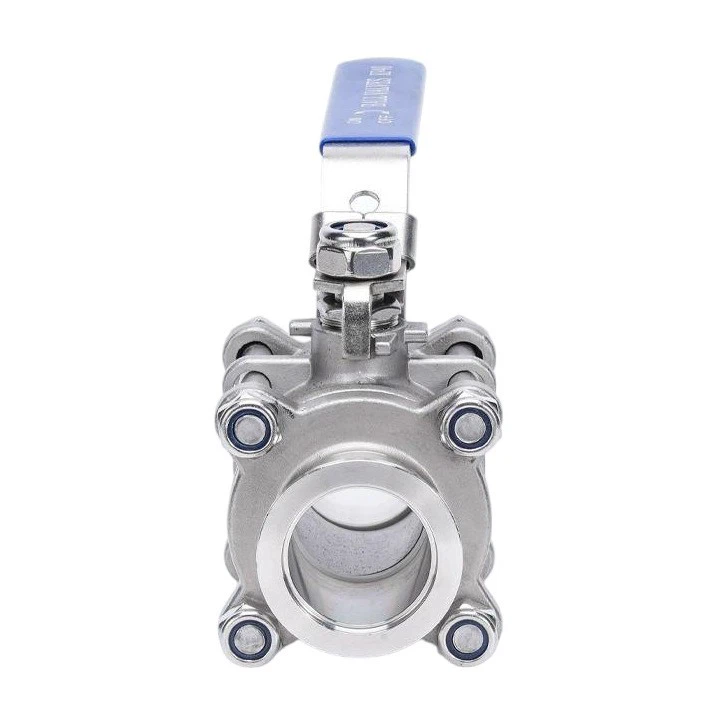
As a supplier of Three-piece Ball Valves, I understand the critical importance of safety when these valves are used in chemical processing plants. Chemical processing involves handling a wide range of hazardous substances, high pressures, and extreme temperatures. Therefore, taking appropriate safety precautions is not only essential for the smooth operation of the plant but also for the well-being of the workers and the protection of the environment.
Material Compatibility
One of the primary safety considerations when using a Three-piece Ball Valve in a chemical processing plant is material compatibility. Different chemicals have varying degrees of corrosiveness, and using a valve made of an incompatible material can lead to rapid deterioration of the valve components. This can result in leaks, which pose a significant safety risk.
For example, in a plant that processes strong acids such as sulfuric acid, a valve made of stainless steel may not be sufficient. In such cases, valves made of materials like Hastelloy or Teflon-lined valves are more appropriate. These materials offer excellent resistance to the corrosive effects of strong acids. Before selecting a Three-piece Ball Valve, it is crucial to conduct a thorough analysis of the chemicals involved in the process and choose a valve material that can withstand the specific chemical environment. You can learn more about different types of ball valves, including Two-piece Ball Valve, Three-piece Ball Valve, and One-piece Ball Valve on our website.
Pressure and Temperature Ratings
Chemical processing plants often operate under high pressures and temperatures. Exceeding the pressure or temperature ratings of a Three-piece Ball Valve can cause the valve to fail, leading to dangerous situations such as explosions or chemical spills.
It is essential to carefully review the pressure and temperature ratings provided by the valve manufacturer. These ratings are determined through rigorous testing and are based on the valve's design and materials. When installing a Three-piece Ball Valve, ensure that the operating conditions of the plant are within the specified ratings. If there are any uncertainties, consult with the valve manufacturer or a qualified engineer.
Installation and Maintenance
Proper installation and regular maintenance are crucial for the safe operation of a Three-piece Ball Valve. During installation, follow the manufacturer's instructions carefully. Ensure that the valve is installed in the correct orientation and that all connections are tightened properly. Improper installation can lead to leaks or valve malfunction.
Regular maintenance is also essential to keep the valve in good working condition. This includes inspecting the valve for signs of wear, corrosion, or damage. Replace any worn or damaged components promptly. Lubricate the valve as recommended by the manufacturer to ensure smooth operation. A well-maintained valve is less likely to fail and pose a safety risk.
Operator Training
Another important safety precaution is to provide adequate training to the operators who will be using the Three-piece Ball Valve. Operators should be familiar with the valve's operation, including how to open and close it properly. They should also be aware of the potential hazards associated with the valve and know what to do in case of an emergency.
Training should cover topics such as valve maintenance, troubleshooting, and safety procedures. Operators should be able to recognize the signs of a valve malfunction and take appropriate action. Regular refresher training should be provided to ensure that operators stay up-to-date with the latest safety practices.
Emergency Response Planning
Despite taking all the necessary safety precautions, emergencies can still occur. Therefore, it is crucial to have an emergency response plan in place. This plan should outline the steps to be taken in case of a valve failure, such as a leak or explosion.
The emergency response plan should include procedures for evacuating the area, shutting off the flow of chemicals, and notifying the appropriate authorities. It should also identify the location of emergency equipment, such as fire extinguishers and spill containment materials. Regular drills should be conducted to ensure that all employees are familiar with the emergency response plan.
Monitoring and Inspection
Continuous monitoring and inspection of the Three-piece Ball Valve are essential to detect any potential safety issues early. This can be done through the use of sensors and monitoring systems. These systems can detect changes in pressure, temperature, or flow rate, which may indicate a valve malfunction.
Regular inspections should also be conducted by qualified personnel. Inspections should include a visual inspection of the valve, as well as non-destructive testing methods such as ultrasonic testing or X-ray inspection. By detecting and addressing potential safety issues early, the risk of a major incident can be significantly reduced.
Documentation
Maintaining accurate documentation is an important safety precaution. This includes documentation of the valve's installation, maintenance, and inspection history. Documentation can help to track the valve's performance over time and identify any trends or patterns that may indicate a potential safety issue.
In addition, documentation can be used to demonstrate compliance with safety regulations and standards. It can also be useful in the event of an accident or incident, as it provides a record of the actions taken and the condition of the valve at the time.

Conclusion
In conclusion, using a Three-piece Ball Valve in a chemical processing plant requires careful consideration of several safety precautions. Material compatibility, pressure and temperature ratings, installation and maintenance, operator training, emergency response planning, monitoring and inspection, and documentation are all essential aspects of ensuring the safe operation of the valve.
As a supplier of Three-piece Ball Valves, we are committed to providing high-quality valves that meet the safety requirements of chemical processing plants. We also offer comprehensive support and guidance to our customers to help them ensure the safe use of our valves. If you are in the market for a reliable Three-piece Ball Valve for your chemical processing plant, please feel free to contact us for more information and to discuss your specific requirements. Our team of experts is ready to assist you in making the right choice for your application.
References
- ASME B16.34 - Valves - Flanged, Threaded, and Welding End
- API 6D - Specification for Pipeline Valves
- OSHA - Occupational Safety and Health Administration regulations related to chemical processing plants


