


What are the standards for two - piece ball valves?
Hey there! As a supplier of two - piece ball valves, I've been getting a lot of questions lately about the standards for these valves. So, I thought I'd take some time to break it down for you.
First off, let's talk about what a two - piece ball valve is. It's a type of valve that consists of two main parts, which are usually connected by bolts or other fastening methods. This design makes it relatively easy to disassemble for maintenance or repair compared to some other types of valves, like the One-piece Ball Valve.
Material Standards
One of the most important aspects of two - piece ball valves is the material they're made from. The body of the valve can be crafted from various materials, each with its own set of advantages and applications.
Stainless steel is a popular choice. It's highly resistant to corrosion, which means it can be used in a wide range of environments, including those with high humidity or exposure to chemicals. For instance, in the food and beverage industry, where hygiene is crucial, stainless steel two - piece ball valves are often used because they won't contaminate the product.
Brass is another common material. It's relatively inexpensive and has good machinability, making it a cost - effective option for many general - purpose applications. However, it may not be as suitable for highly corrosive environments as stainless steel.
Then there's carbon steel. It's strong and durable, making it ideal for high - pressure applications. But it's more prone to rusting, so it usually needs some form of protective coating.
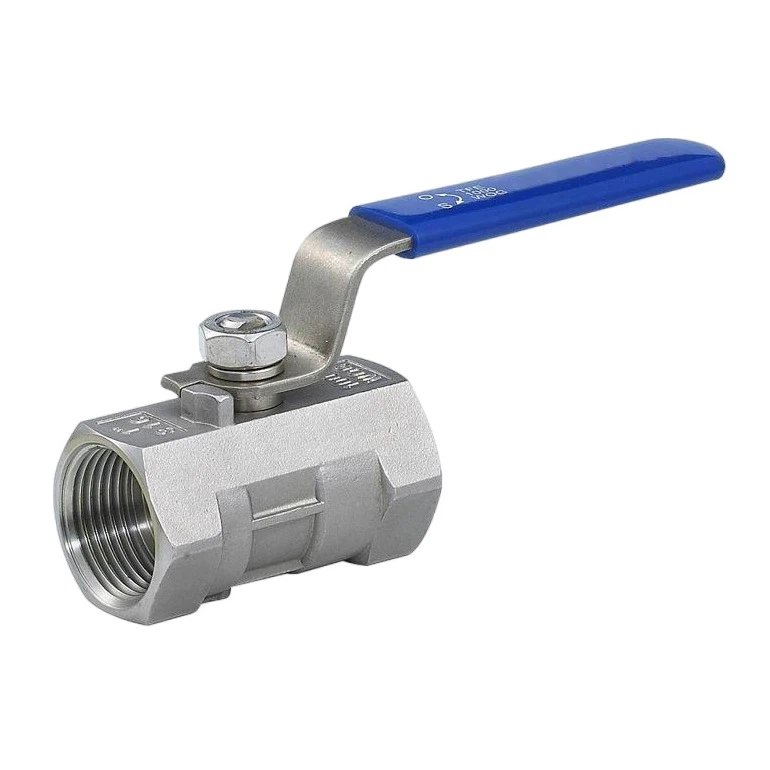

Size and Dimension Standards
The size and dimensions of two - piece ball valves are also standardized. The nominal diameter of the valve is a key specification. It determines the flow capacity of the valve. For example, a larger nominal diameter valve can allow more fluid to pass through.
The end connections of the valve are also important. Common end connections include threaded, flanged, and socket weld. Threaded connections are easy to install and are often used in smaller - sized valves and low - pressure applications. Flanged connections, on the other hand, are more suitable for larger valves and high - pressure systems because they provide a more secure and leak - free connection. Socket weld connections are used when a permanent and strong connection is required.
Pressure and Temperature Ratings
Two - piece ball valves have specific pressure and temperature ratings. The pressure rating indicates the maximum pressure that the valve can safely withstand without leaking or failing. This is crucial because if a valve is used in a system with a pressure higher than its rating, it can lead to serious safety hazards.
The temperature rating is equally important. Different materials have different temperature tolerances. For example, some elastomeric seals used in the valve may harden or soften at extreme temperatures, affecting the valve's performance. So, it's essential to choose a valve with a temperature rating that matches the operating conditions of your system.
Flow Characteristics
The flow characteristics of a two - piece ball valve are also a standard consideration. A full - port ball valve has a ball with an opening that is the same size as the pipe's inner diameter. This design allows for minimal flow restriction, which is great for applications where a high flow rate is required.
On the other hand, a reduced - port ball valve has a smaller ball opening. While it may have some flow restriction, it can be more cost - effective and is suitable for applications where a high flow rate isn't as critical.
Comparison with Other Types of Ball Valves
It's also worth comparing two - piece ball valves with other types, like the Three-piece Ball Valve and the One Piece Copper Ball Valve.
Three - piece ball valves are even easier to disassemble and service than two - piece ball valves. They consist of three parts, and the middle section can be removed without disturbing the pipe connections. This makes them a great choice for applications where frequent maintenance is required.
One - piece copper ball valves are often used in plumbing applications. They're relatively inexpensive and easy to install. However, they may not be as suitable for high - pressure or high - temperature applications as two - piece ball valves made from other materials.
Quality and Testing Standards
To ensure the quality of two - piece ball valves, they go through various testing procedures. Pressure testing is one of the most common tests. The valve is pressurized to a certain level to check for leaks.
Functional testing is also carried out to make sure that the valve can open and close smoothly. This is important because a valve that doesn't operate properly can disrupt the entire system.
In addition, some valves may undergo material testing to verify the quality of the materials used. For example, chemical analysis can be done to ensure that the stainless steel used in the valve meets the required composition standards.
Why Choose Our Two - Piece Ball Valves
As a supplier of two - piece ball valves, we take pride in offering high - quality products that meet all the relevant standards. Our valves are made from top - grade materials, and we have strict quality control measures in place.
We offer a wide range of sizes, end connections, and pressure and temperature ratings to meet the diverse needs of our customers. Whether you're in the oil and gas industry, water treatment, or any other field that requires reliable valves, we've got you covered.
If you're in the market for two - piece ball valves, I encourage you to get in touch with us. We can provide you with detailed product information, and our team of experts can help you choose the right valve for your specific application. Don't hesitate to reach out and start a conversation about your valve needs.
References
- Valve Handbook, Various Editions
- Industry Standards for Ball Valves, Published by Industry Associations


