


As a seasoned supplier of Three-piece Ball Valves, I've witnessed firsthand the diverse applications and challenges these valves face, especially when dealing with steam. Steam systems are prevalent in various industries, from power generation to manufacturing, and the proper functioning of ball valves in these environments is crucial. In this blog, I'll delve into the steam-related issues that can affect Three-piece Ball Valves and offer insights on how to address them.
Understanding Three-piece Ball Valves
Before we dive into the steam-related issues, let's briefly understand what Three-piece Ball Valves are. A Three-piece Ball Valve consists of three main parts: two end caps and a body. This design allows for easy disassembly and maintenance, making it a popular choice in applications where regular servicing is required. Compared to One-piece Ball Valve and Two-piece Ball Valve, the three-piece design offers greater flexibility and accessibility, which is particularly beneficial in steam systems.
Steam-related Issues
1. Temperature and Pressure Fluctuations
Steam systems often operate under high temperatures and pressures, and these conditions can cause significant stress on ball valves. Temperature fluctuations can lead to thermal expansion and contraction of the valve components, which may result in leaks or misalignment. High pressures can also put excessive strain on the valve seats and seals, leading to premature wear and failure.
To mitigate these issues, it's essential to select a Three-piece Ball Valve that is designed to withstand the specific temperature and pressure requirements of your steam system. Look for valves made from materials with high thermal stability, such as stainless steel or alloy steel. Additionally, ensure that the valve is properly rated for the maximum pressure and temperature of your application.
2. Erosion and Corrosion
Steam contains water droplets and impurities that can cause erosion and corrosion of the valve components. Erosion occurs when the high-velocity steam and water droplets wear away the surface of the valve, while corrosion is the result of chemical reactions between the steam and the valve material. Over time, erosion and corrosion can weaken the valve structure, leading to leaks and reduced performance.
To prevent erosion and corrosion, choose a Three-piece Ball Valve with a corrosion-resistant coating or lining. Materials such as PTFE (polytetrafluoroethylene) or ceramic can provide excellent protection against erosion and corrosion. Regular inspection and maintenance of the valve are also crucial to detect and address any signs of wear or corrosion early on.
3. Water Hammer
Water hammer is a common problem in steam systems, especially when the steam flow is suddenly stopped or changed. When the steam flow is interrupted, the momentum of the moving steam and water can cause a pressure surge, resulting in a loud banging noise and potential damage to the valve and other components in the system.
To prevent water hammer, install a water hammer arrestor in the steam system. A water hammer arrestor absorbs the shock of the pressure surge and helps to protect the valve and other components. Additionally, ensure that the valve is properly sized and installed to minimize the risk of sudden changes in steam flow.
4. Seal Failure
The seals in a Three-piece Ball Valve are critical for preventing leaks and ensuring proper operation. However, in steam applications, the high temperatures and pressures can cause the seals to degrade over time. The constant exposure to steam can also cause the seals to harden or become brittle, leading to leaks.
To prevent seal failure, choose a Three-piece Ball Valve with high-quality seals that are designed for steam applications. Look for seals made from materials such as graphite or elastomers that can withstand high temperatures and pressures. Regular inspection and replacement of the seals are also necessary to ensure their proper functioning.
Solutions and Best Practices
1. Proper Valve Selection
Selecting the right Three-piece Ball Valve for your steam application is crucial for ensuring its reliable performance. Consider the following factors when choosing a valve:
- Temperature and Pressure Rating: Ensure that the valve is rated for the maximum temperature and pressure of your steam system.
- Material Compatibility: Choose a valve made from materials that are compatible with the steam and any other fluids in your system.
- Seal Material: Select seals that are designed to withstand high temperatures and pressures and are resistant to steam and chemicals.
- Size and Flow Capacity: Ensure that the valve is properly sized to handle the flow rate of your steam system.
2. Regular Maintenance
Regular maintenance is essential for keeping your Three-piece Ball Valve in good working condition. Here are some maintenance tips:
- Inspect the Valve Regularly: Check for any signs of wear, corrosion, or leaks. Look for loose or damaged components and replace them as needed.
- Clean the Valve: Remove any dirt, debris, or scale from the valve components to prevent blockages and ensure smooth operation.
- Lubricate the Valve: Apply a suitable lubricant to the valve stem and other moving parts to reduce friction and wear.
- Test the Valve: Periodically test the valve to ensure that it is functioning properly. Check for proper opening and closing, as well as any signs of leaks.
3. Installation and Commissioning
Proper installation and commissioning of the Three-piece Ball Valve are crucial for its long-term performance. Here are some installation tips:
- Follow the Manufacturer's Instructions: Read and follow the installation instructions provided by the valve manufacturer carefully.
- Ensure Proper Alignment: Make sure that the valve is properly aligned with the pipeline to prevent stress on the valve components.
- Use Proper Gaskets and Seals: Install the correct gaskets and seals to ensure a tight and leak-free connection.
- Test the System: After installation, test the steam system to ensure that the valve is functioning properly and there are no leaks.
Conclusion
Steam-related issues can pose significant challenges to the performance and reliability of Three-piece Ball Valves. However, by understanding these issues and implementing the appropriate solutions and best practices, you can ensure that your valve operates smoothly and efficiently in your steam system.

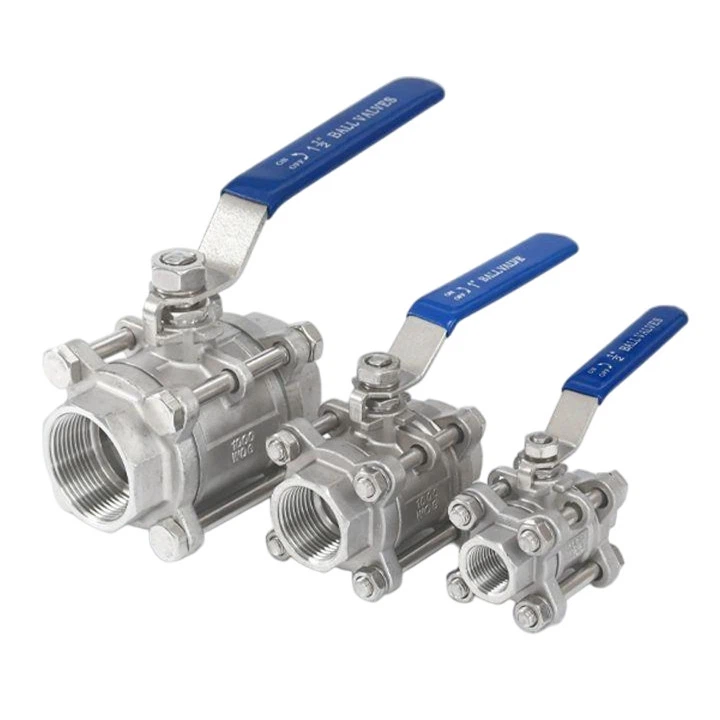
As a supplier of Three-piece Ball Valves, I'm committed to providing high-quality valves that are designed to meet the specific needs of your steam application. If you have any questions or need assistance in selecting the right valve for your system, please don't hesitate to contact me. I'm here to help you find the best solution for your steam-related challenges.
References
- Valve Handbook, 4th Edition, by Hans D. Baumann
- Steam System Design and Operation, by ASHRAE
- Piping and Pipeline Engineering: Design, Construction, Maintenance, Integrity, and Repair, by George A. Antaki


