


As a supplier of Three-piece Ball Valves, I've witnessed firsthand the complexity of pricing in the valve market. Many factors come into play when determining the price of a three-piece ball valve, and understanding these elements can help customers make informed purchasing decisions. In this blog post, I'll delve into the key factors that influence the price of three-piece ball valves.
Material Quality
The quality of materials used in manufacturing a three-piece ball valve is a primary determinant of its price. Valves can be made from a variety of materials, each with its own set of properties and costs.
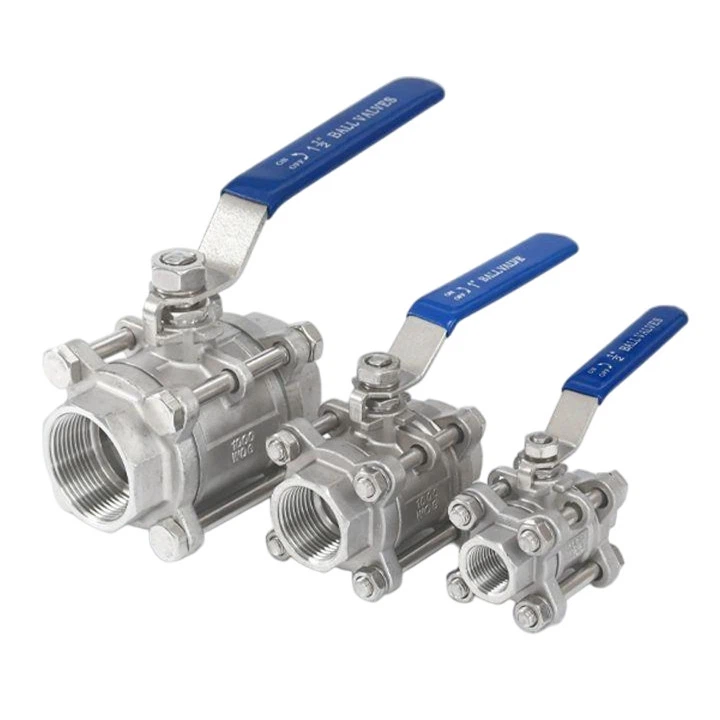

- Stainless Steel: Stainless steel is a popular choice for three-piece ball valves due to its corrosion resistance, durability, and strength. High-grade stainless steel alloys, such as 316L, are more expensive than standard 304 stainless steel. The cost of stainless steel is influenced by factors like raw material prices, production processes, and market demand. For instance, during periods of high demand for stainless steel in industries like construction and automotive, the price of stainless steel ball valves may increase.
- Brass: Brass is another commonly used material for ball valves. It is relatively inexpensive compared to stainless steel and offers good corrosion resistance and machinability. However, the quality of brass can vary significantly. Valves made from high-quality brass alloys with low lead content are more expensive but are also safer for use in applications where contact with drinking water is possible.
- Alloy Steel: Alloy steel valves are used in high-pressure and high-temperature applications. These valves are designed to withstand extreme conditions and are typically more expensive than valves made from other materials. The cost of alloy steel is higher due to the addition of alloying elements such as chromium, nickel, and molybdenum, which enhance the valve's performance.
Valve Size
The size of a three-piece ball valve is directly related to its price. Larger valves require more material to manufacture and are generally more complex to produce. As the diameter of the valve increases, so does the cost. This is because larger valves need stronger and thicker walls to withstand the same pressure as smaller valves. Additionally, the manufacturing process for larger valves may require specialized equipment and more labor, which further adds to the cost.
For example, a 1/2-inch three-piece ball valve will be significantly cheaper than a 6-inch valve. The difference in price is not only due to the amount of material used but also the additional engineering and testing required for larger valves to ensure they meet industry standards.
Pressure Rating
The pressure rating of a three-piece ball valve is an important factor in determining its price. Valves designed to operate at higher pressures require more robust construction and better materials. A high-pressure valve must be able to withstand the force exerted by the fluid without leaking or failing.
To achieve a higher pressure rating, manufacturers may use thicker walls, stronger materials, and more precise machining. These factors increase the cost of production. For instance, a valve with a pressure rating of 150 psi will be less expensive than a valve rated for 600 psi. The higher the pressure rating, the more rigorous the testing and quality control procedures, which also contribute to the overall cost.
End Connection Type
The type of end connections on a three-piece ball valve can also affect its price. Different end connection types are suitable for various applications and installation requirements.
- Threaded Connections: Threaded connections are the most common and cost-effective option. They are easy to install and are suitable for low to medium-pressure applications. However, the quality of the threads and the type of threading (e.g., NPT, BSP) can influence the price. High-quality threaded connections with precise threading and good surface finish are more expensive.
- Flanged Connections: Flanged connections are used in high-pressure and large-diameter applications. They provide a secure and leak-proof connection but are more expensive than threaded connections. The cost of flanged valves includes the cost of the flanges themselves, as well as the additional machining and welding required to attach the flanges to the valve body.
- Welded Connections: Welded connections are used in applications where a permanent and leak-proof connection is required. Welding a valve into a pipeline requires specialized skills and equipment, which increases the cost. Additionally, welded valves are often custom-made to fit specific pipeline configurations, further adding to the price.
Brand and Reputation
The brand and reputation of the valve manufacturer can have a significant impact on the price of a three-piece ball valve. Well-established brands with a long history of producing high-quality valves often charge a premium for their products. These brands have invested heavily in research and development, quality control, and customer service, which is reflected in the price of their valves.
Customers are often willing to pay more for a valve from a reputable brand because they have confidence in the product's performance and reliability. A brand with a good reputation is more likely to stand behind its products and offer better after-sales support. On the other hand, lesser-known brands may offer lower-priced valves, but there may be more uncertainty about the quality and durability of these products.
Market Conditions
Market conditions, such as supply and demand, raw material prices, and competition, also play a role in determining the price of three-piece ball valves.
- Supply and Demand: When the demand for three-piece ball valves is high and the supply is limited, prices tend to increase. This can happen during periods of rapid industrial growth or when there are disruptions in the supply chain. Conversely, when the market is saturated with valves and demand is low, prices may decrease as manufacturers compete for customers.
- Raw Material Prices: The prices of raw materials, such as steel, brass, and copper, can fluctuate significantly due to factors like global economic conditions, mining production, and trade policies. An increase in raw material prices will directly lead to an increase in the cost of manufacturing ball valves. For example, if the price of copper rises, the cost of One Piece Copper Ball Valve and other copper-based valves will also increase.
- Competition: The level of competition in the valve market can affect prices. In a highly competitive market, manufacturers may lower their prices to attract customers. However, this can also lead to a race to the bottom in terms of quality. In contrast, in a market with less competition, manufacturers may have more pricing power and be able to charge higher prices.
Additional Features and Customization
Three-piece ball valves can come with a variety of additional features and customization options, which can increase the price.
- Actuation: Valves can be manually operated or equipped with actuators for automated control. Electric, pneumatic, or hydraulic actuators add to the cost of the valve. The type and size of the actuator, as well as its features (such as position feedback and control options), will determine the additional cost.
- Sealing Material: The choice of sealing material can also affect the price. High-performance sealing materials, such as PTFE (Teflon), are more expensive but offer better chemical resistance and sealing performance. Valves used in applications with aggressive fluids or high temperatures may require specialized sealing materials, which increase the cost.
- Customization: Customers may require custom-designed three-piece ball valves to meet specific application requirements. Customization can include non-standard sizes, special end connections, or unique valve configurations. The cost of customization includes the additional engineering, tooling, and production time required to manufacture the custom valve.
In conclusion, the price of a three-piece ball valve is influenced by a multitude of factors, including material quality, valve size, pressure rating, end connection type, brand and reputation, market conditions, and additional features and customization. As a supplier, I understand the importance of providing customers with high-quality valves at a competitive price. If you are in the market for Three-piece Ball Valve, I encourage you to contact me to discuss your specific requirements. We can work together to find the best valve solution for your application at a price that fits your budget. Whether you need a standard valve or a custom-designed one, I'm here to help you make an informed purchasing decision.
References
- Valve Handbook, 4th Edition, by J. S. T. J. Humphrey
- Industrial Valves: Theory and Practice, by John D. Constance


