


Hey there! As a supplier of One - piece Ball Valves, I often get asked about the temperature range for these valves. So, let's dive right into it and break down what you need to know.
What is a One - piece Ball Valve?
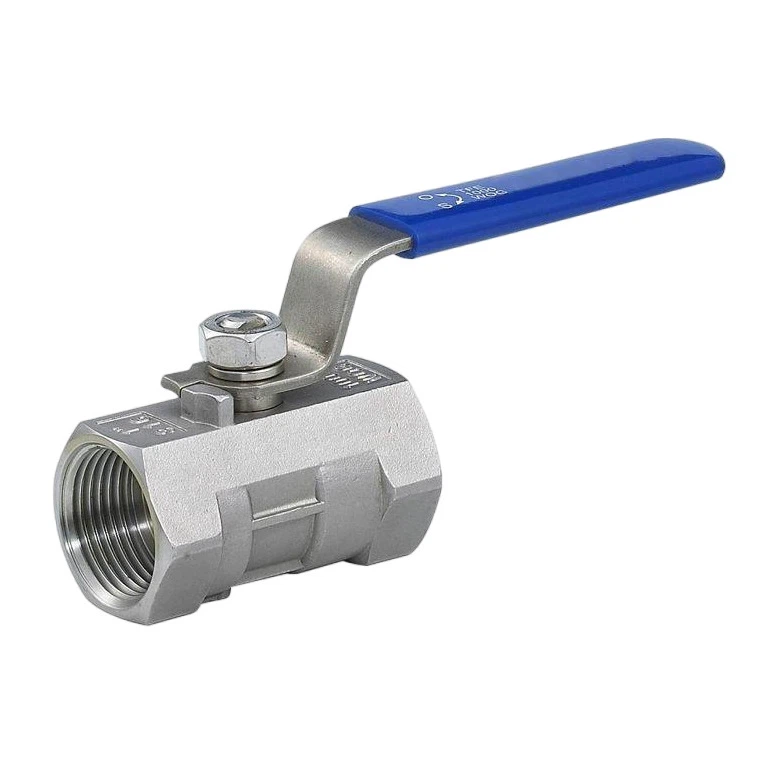
Before we talk about the temperature stuff, let me quickly explain what a One - piece Ball Valve is. It's a type of valve that has a single, solid body. This design makes it simple and compact. Compared to Three - piece Ball Valve and Two - piece Ball Valve, the One - piece Ball Valve is usually more cost - effective and has fewer parts that could potentially leak. You can check out more details about One - piece Ball Valve on our website.
Factors Affecting the Temperature Range
The temperature range of a One - piece Ball Valve isn't set in stone. It depends on a few key factors.
Material of the Valve Body
The material used to make the valve body plays a huge role. For example, if the valve body is made of brass, it can generally handle temperatures from - 20°C to about 120°C. Brass is a common choice because it's corrosion - resistant and relatively inexpensive. On the other hand, stainless steel valve bodies can withstand a wider temperature range. They can handle temperatures from - 50°C up to around 200°C or even higher in some cases. Stainless steel is more durable and can resist corrosion in harsher environments.

Sealing Material
The sealing material inside the valve is also crucial. Most One - piece Ball Valves use elastomers like rubber for sealing. Different types of rubber have different temperature limits. For instance, Nitrile rubber (NBR) can work well in temperatures ranging from - 40°C to about 100°C. It's a popular choice for general - purpose applications. But if you need a valve for high - temperature applications, you might want to consider Viton rubber. Viton can handle temperatures from - 20°C up to about 200°C, making it suitable for more extreme conditions.
Lubrication
Lubrication inside the valve can affect its performance at different temperatures. Some lubricants can break down at high temperatures, causing the valve to become sticky or even fail. At low temperatures, lubricants can thicken and make the valve difficult to operate. So, choosing the right lubricant that can work within the expected temperature range is essential.
Typical Temperature Ranges for Different Applications
Let's look at some common applications and the temperature ranges that One - piece Ball Valves need to handle in those scenarios.
Water Supply Systems
In most residential and commercial water supply systems, the water temperature is usually between 5°C and 60°C. One - piece Ball Valves made of brass with NBR seals are more than sufficient for these applications. They can handle the normal temperature fluctuations in the water supply and provide reliable shut - off.
Industrial Cooling Systems
Industrial cooling systems often deal with lower temperatures. The coolant temperature can range from 0°C to 50°C. Here, a One - piece Ball Valve with a stainless - steel body and a suitable low - temperature - resistant seal can ensure smooth operation.
High - Temperature Processes
In some industrial processes like steam systems or chemical reactions, the temperature can be much higher. For steam applications, the temperature can reach up to 180°C or more. In such cases, you'll need a One - piece Ball Valve made of stainless steel with a high - temperature - resistant sealing material like Viton and a high - quality lubricant that can withstand the heat.
Testing and Certification
To ensure that our One - piece Ball Valves can perform within the specified temperature ranges, we conduct rigorous testing. We use specialized equipment to simulate different temperature conditions and check the valve's operation, sealing performance, and durability.
Many of our valves also come with certifications from recognized standards organizations. These certifications are a guarantee that the valves have been tested and meet the required quality and performance standards for different temperature ranges.
Why Choose Our One - piece Ball Valves?
As a supplier, we take pride in offering high - quality One - piece Ball Valves. We carefully select the materials for our valves to ensure they can handle a wide range of temperatures. Our team of experts is always working on improving the design and performance of our valves.
We also offer customization options. If you have a specific temperature requirement for your application, we can work with you to develop a One - piece Ball Valve that meets your exact needs. Whether it's a low - temperature application or a high - temperature one, we've got you covered.
How to Determine the Right Temperature Range for Your Application
If you're not sure what temperature range your One - piece Ball Valve needs to handle, here are some steps you can take.
First, understand the nature of your application. Is it a water - based system, a chemical process, or something else? This will give you a general idea of the temperature range you're dealing with.
Next, consider any potential temperature fluctuations. For example, in an outdoor application, the temperature can vary significantly between day and night or between seasons. You need to make sure the valve can handle these fluctuations without any issues.
Finally, if you're still unsure, don't hesitate to contact us. Our sales team has a lot of experience and can help you choose the right One - piece Ball Valve based on your specific temperature requirements.
Conclusion
The temperature range for a One - piece Ball Valve depends on various factors such as the material of the valve body, sealing material, and lubrication. By understanding these factors and considering the specific requirements of your application, you can choose the right valve.
We're here to provide you with high - quality One - piece Ball Valves that can perform well within the required temperature ranges. If you're in the market for a One - piece Ball Valve or have any questions about temperature ranges or valve selection, feel free to reach out to us. We're ready to have a chat and help you find the perfect solution for your needs.
References
- "Valve Handbook" - A comprehensive guide on valve technology and applications.
- Manufacturer's specifications for different valve materials and sealing materials.


